The Japanese yen is under pressure again as the gap between US and Japanese interest rates keeps the dollar supported and leaves traders waiting for clues that the Bank of Japan may finally move closer to normal policy.
Yen Weakens as US-Japan Rate Gap Persists

That yield differential remains the central driver in FX markets. With the US federal funds rate around 3.75% and the 10-year Treasury yield near 5.28%, the dollar still offers a meaningful carry advantage over the yen, where borrowing costs remain exceptionally low. The result is persistent demand for USD-funded positioning and limited incentive to hold yen unless domestic policy or wage growth shifts the outlook for Japanese rates.
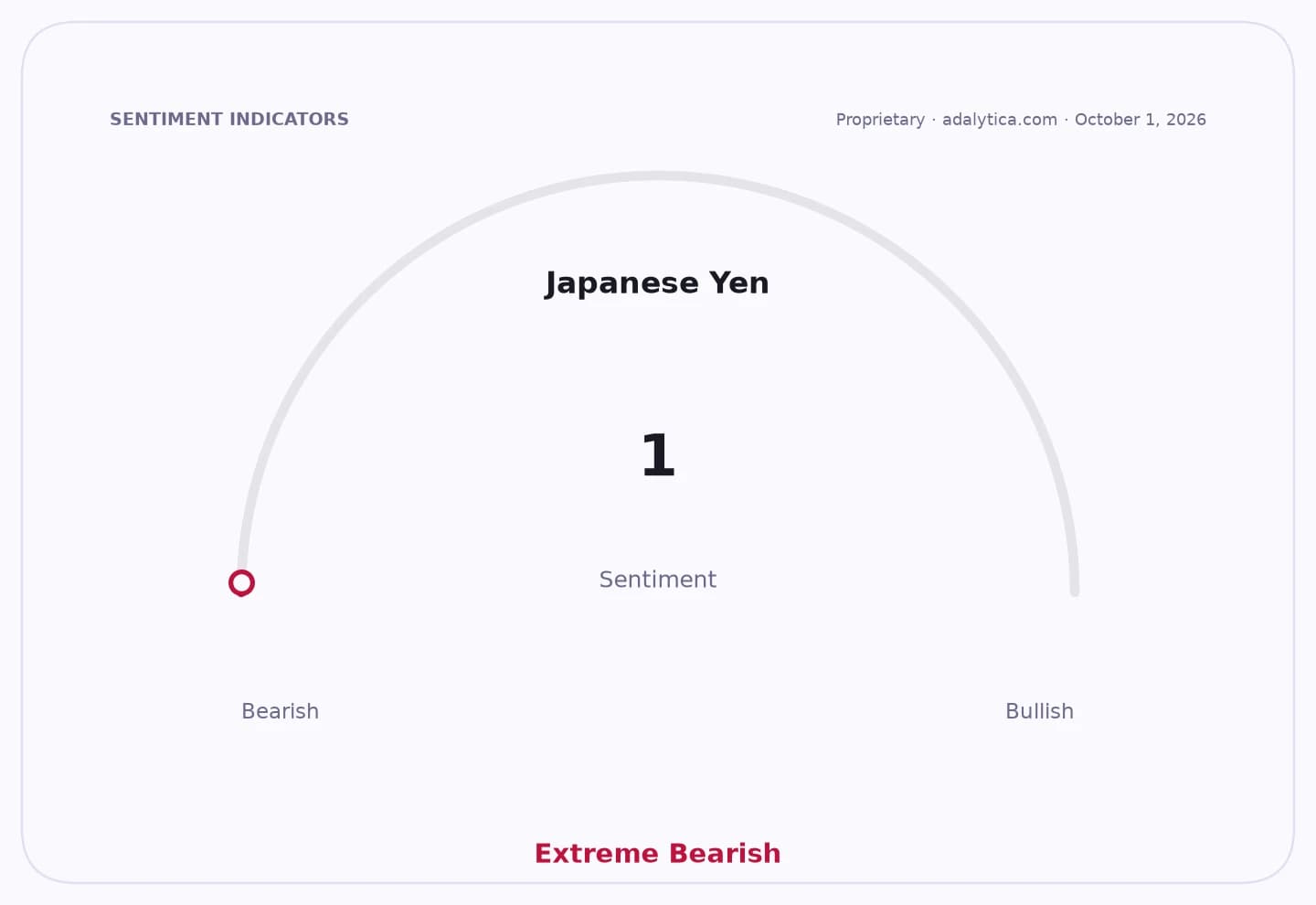
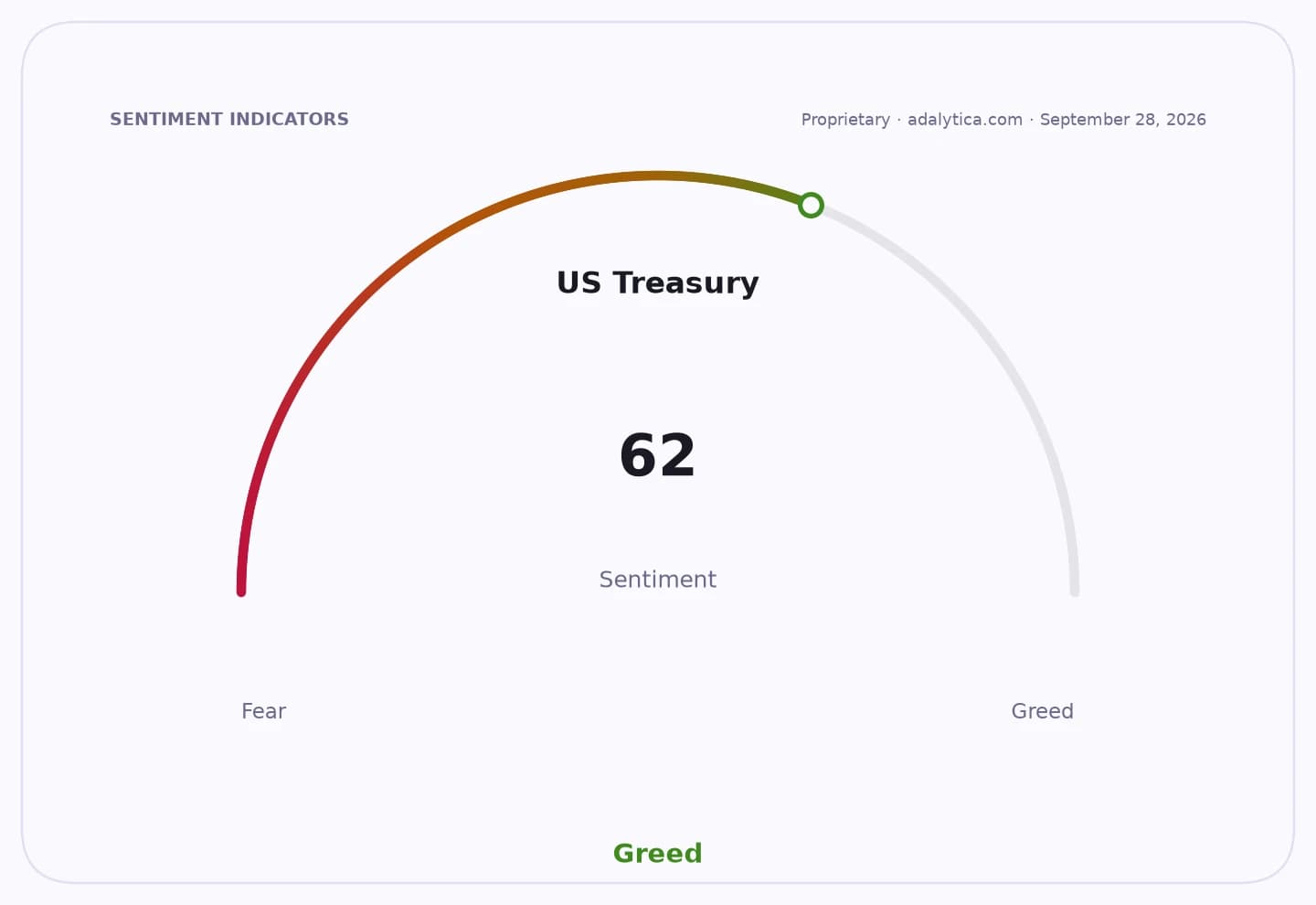
Sentiment IndicatorsⓘProprietary · adalytica.com · October 6, 2026
This is a snapshot — live sentiment, awareness and momentum for 130+ markets update continuously in the dashboard.Open AlphaPulse

For investors, that makes the next catalysts important: Governor Kazuo Ueda’s remarks and Japan’s wage figures. Stronger pay data would bolster the case for another step toward tighter monetary policy and could narrow the spread that has weighed on the yen for months. A dovish tone from the BoJ, by contrast, would reinforce the view that Japan will keep lagging the US and other major economies on rates, prolonging pressure on the currency.
The move also reflects a broader market message: the dollar remains the preferred funding and return currency as long as US yields stay elevated and recession fears do not force the Federal Reserve into aggressive easing. Even though the US two-year/10-year curve has steepened modestly, at about 0.47 percentage point, the dollar’s advantage over Japan is still pronounced enough to keep the yen defensive.

That is showing up in market signals as well. The dollar index proxy UUP has held near 29, above both its 50-day and 200-day moving averages, while the yen ETF FXY has been trapped near 58, with its own 50-day and 200-day averages converging around that level. FXY’s weak relative strength index suggests the yen remains oversold in the near term, but not yet at a point where technicals alone can reverse the fundamental story.
Adalytica’s trade signals also point to that split. US dollar sentiment is flagged at “Fear,” but the yen’s reading is even weaker on awareness and sentiment, underscoring how the market is still positioned for dollar resilience rather than a sustained yen recovery.
The key question now is whether Japan can generate a policy or wage surprise large enough to challenge the rate gap. If it cannot, the yen is likely to remain a funding currency of choice and the dollar should stay supported. If wage growth strengthens and the BoJ sounds more confident about inflation durability, the market may begin to price a narrower US-Japan yield spread — and with it, a more durable floor under the yen.
| Entity | Gains | Losses |
|---|---|---|
| US dollar | ▲Higher carry appeal | ▼Exporters facing stronger currency |
| Japanese yen | ▲Potentially wage- or BoJ-led rebound | ▼Importers and yen bulls |
| Bank of Japan | ▲Policy room if wages improve | ▼If seen as behind the curve |
| Japanese consumers | ▲If yen firms and imports cheapen | ▼If weak yen lifts prices |