Japan’s Nikkei suffered its sharpest weekly fall in more than six years as a global selloff in artificial-intelligence shares hit the market’s biggest growth names and wiped out much of this year’s momentum.
Japan Nikkei falls 9.3% on AI stock selloff

The benchmark lost 9.3% for the week, its worst performance since March 2020, after falling 6% on Friday to 57,434. That is more than just a bad week for traders. It is a reminder that Japan’s rally has been heavily dependent on a narrow set of technology and chip stocks that were priced for near-perfect AI execution.
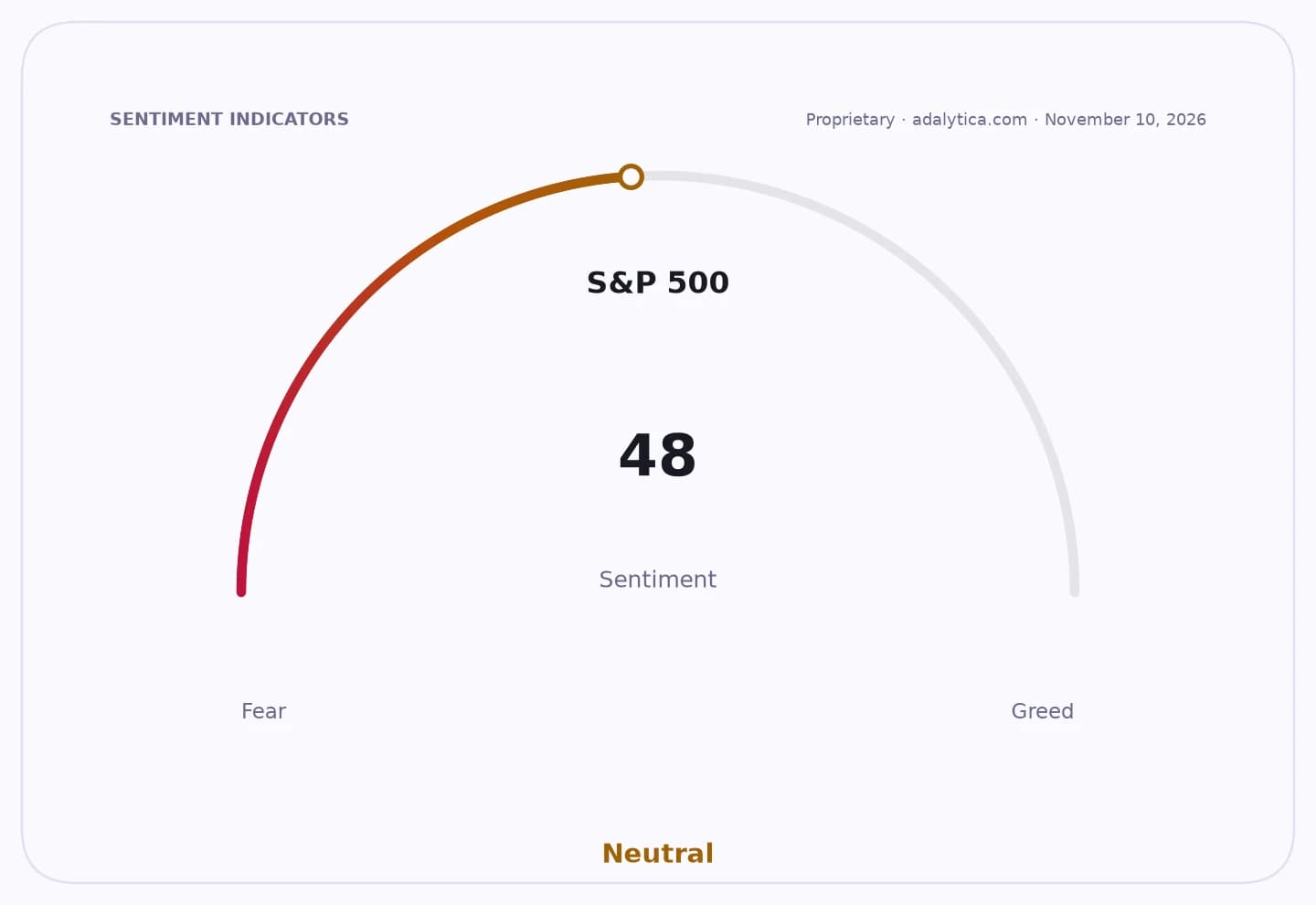
Sentiment Indicators

The damage was broad. Of the Nikkei’s 225 members, 222 declined and only three advanced. The Topix dropped 5.9%, with all 33 of its subsectors lower. Volatility in the Nikkei jumped to its highest since March 31, underscoring how quickly sentiment can reverse when the market’s most popular theme comes under pressure.
The heaviest drag came from the same companies that had powered the index higher. SoftBank Group, a major investor in startup technology bets, plunged 10.8%, while chip-testing equipment maker Advantest fell 5%. Those moves matter because they show how exposed Japanese equities remain to the global AI capital-spending cycle, especially when Wall Street weakens at the same time.
Safe Haven Demand
The latest leg lower began after U.S. investors grew more cautious about the next phase of AI infrastructure spending, particularly with Democrats taking control of Congress. Markets have started to price in a tougher path for companies hoping to expand data centers and related infrastructure, which could make funding harder for smaller players already facing higher rates and tighter credit. Wall Street’s own weakness fed the move, with the S&P 500 and Nasdaq suffering their biggest daily losses since April 2025.
For long-term investors, this is less about one ugly week and more about valuation discipline. Japan’s stock market has benefited enormously from enthusiasm around semiconductors and AI, but those gains can unwind fast when expectations get ahead of earnings. The correction does not necessarily invalidate the AI investment story; it does suggest the market had grown too dependent on a handful of highly sensitive names.
That is why patience matters. Investors who want exposure to Japan’s growth story should think in years, not days, and keep diversification front and center. If AI spending stays strong, the best businesses can still compound. If it slows, the index’s recent dependence on a few winners could keep volatility elevated. For now, Japan’s market is worth watching, but not chasing.
| Entity | Gains | Losses |
|---|---|---|
| Long-term diversified investors | ▲Better entry points | ▼Near-term volatility |
| AI chip and tech bulls | ▲Potential future rebound | ▼Sharp valuation reset |
| SoftBank and Advantest shareholders | ▲Long-term AI upside if spending holds | ▼Immediate price pressure |
| Exporters and broader Japan market | ▲None | ▼Sentiment and index momentum |