A one-year fixed deposit on 5 million yen can earn wildly different interest depending on where you park the cash, and that gap is exactly why Japan’s rising-rate world matters to savers and investors alike. Osaka Kosei Shinkin Bank’s campaign product pays 56,250 yen more in pre-tax interest than Japan Post Bank’s regular one-year time deposit on the same principal, a spread that shows how aggressively regional lenders are using higher deposit rates to pull in funds.
Japan deposit rates rise at regional banks
For households, that difference is not trivial. On a 5 million yen deposit, Osaka Kosei Shinkin’s “Tokimeki Term Deposit” offers 1.625% for one year, producing 81,250 yen of pre-tax interest. Japan Post Bank’s one-year time deposit pays 0.5%, or 25,000 yen. After tax, the gap is still about 44,823 yen. That is real money for savers who have kept large balances in low-yield accounts out of habit.
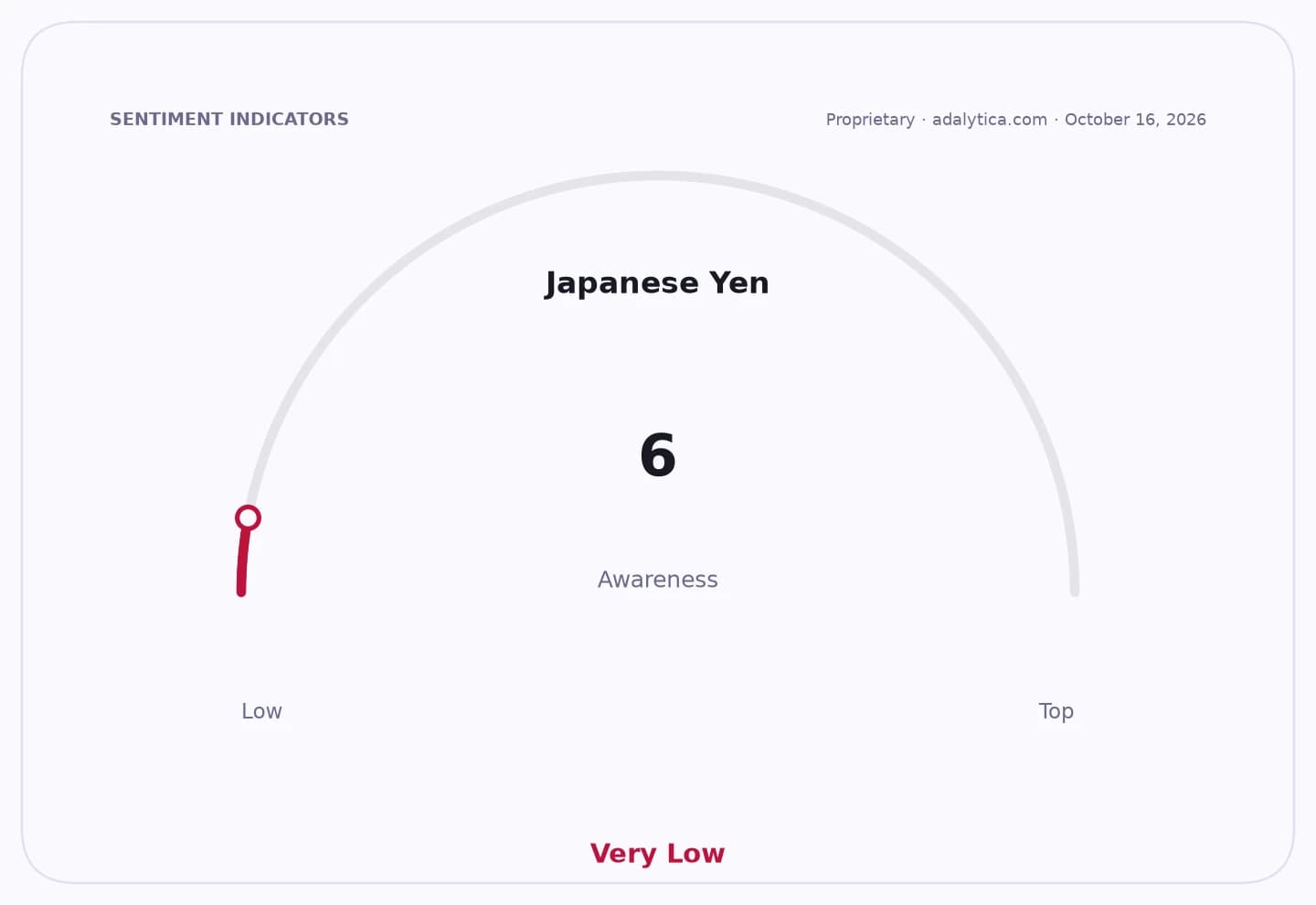
Sentiment Indicators
The bigger story is that Japan’s deposit market is finally behaving like a market. After years of near-zero rates, even modest policy normalization by the Bank of Japan is filtering through to consumer products, and regional financial institutions are using promotional pricing to compete for stable funding. Osaka Kosei Shinkin’s offer is especially eye-catching because it is not just a headline rate; it is a targeted campaign for new customers in western Japan, accessed through a smartphone app and subject to strict eligibility rules.
That matters economically because deposit competition raises the cost of funding for banks, but it also gives savers a reason to move idle cash. If higher deposit rates become durable, they can gradually improve household income from savings and shift cash toward more productive uses, while forcing lenders to sharpen their asset-liability management. In other words, the end of ultra-cheap deposits is good for savers, but it can pressure margins across the banking system.
For investors, the message is clear: Japan’s financial landscape is shifting from a static, low-yield environment to one where pricing power and funding discipline matter again. That tends to favor banks and financial institutions that can reprice assets faster than liabilities, while punishing those that rely on sticky low-cost deposits. It also reinforces the case for watching Japanese financial stocks and regional lenders closely as rates normalize.
The move is still early, and the fine print matters. Osaka Kosei Shinkin’s campaign is limited to new customers in certain prefectures, requires a smartphone app and a 50 billion yen funding cap, while Japan Post Bank has indicated it plans to lift deposit rates further. But the direction is unmistakable: Japanese savers are being reminded that cash now has a price, and the institutions competing for it are no longer operating in the same old zero-rate world. For long-term investors, that is worth watching.
| Entity | Gains | Losses |
|---|---|---|
| Osaka Kosei Shinkin Bank | ▲Attracts new deposits | ▼Pays higher funding costs |
| Japan Post Bank | ▲Simpler nationwide reach | ▼Loses on rate competitiveness |
| Japanese savers | ▲Earn higher interest | ▼Miss out if they stay in low-yield deposits |
| Regional banks | ▲Stronger deposit inflows | ▼Margin pressure from competition |