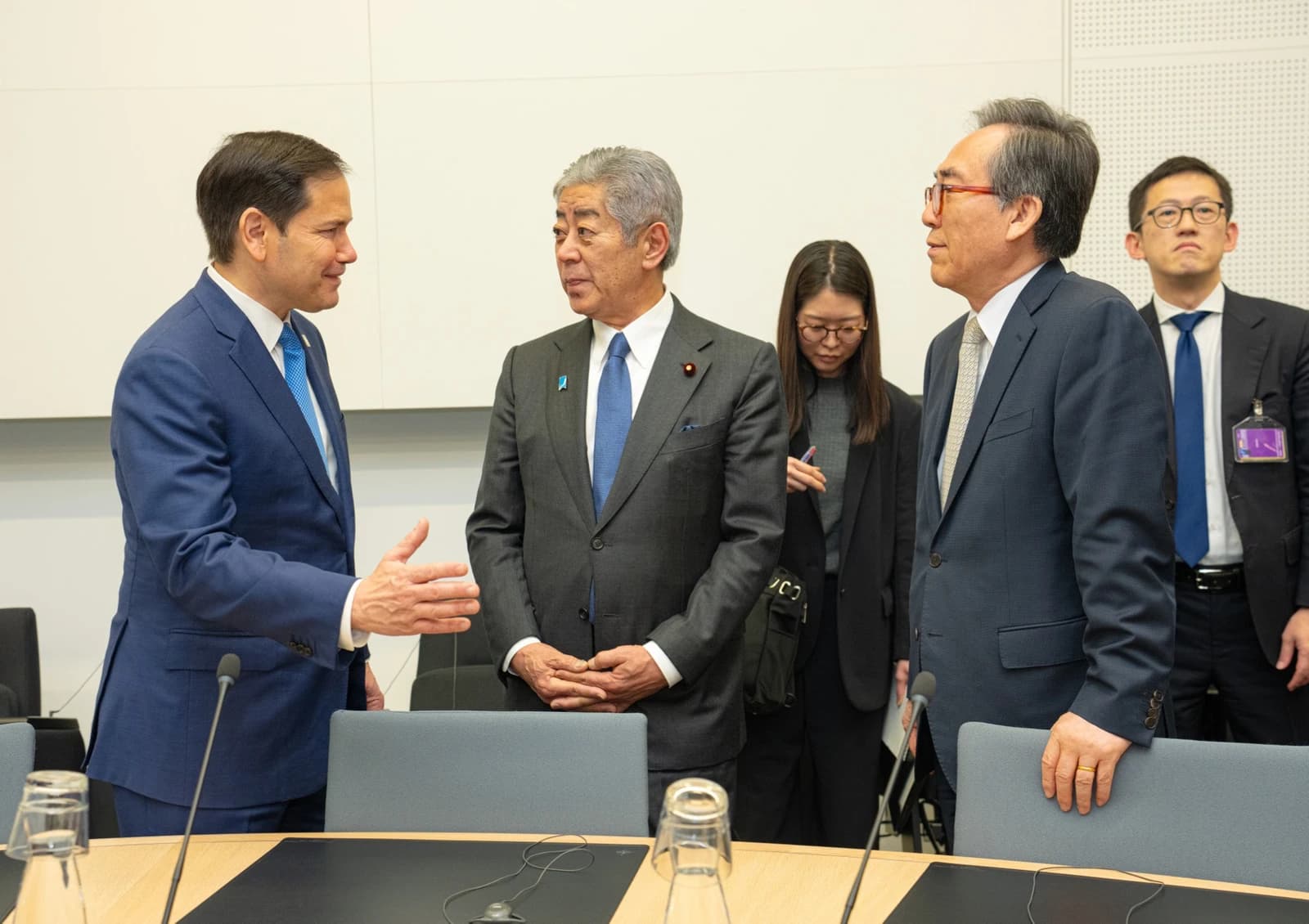
Japan’s government has launched one of its clearest industrial-policy bets in years, pledging up to 213.1 billion yen over roughly a decade to three domestic shipbuilding groups as it tries to rebuild a sector that has steadily lost ground to South Korea and China.
Japan funds shipbuilding groups with 213.1 billion yen
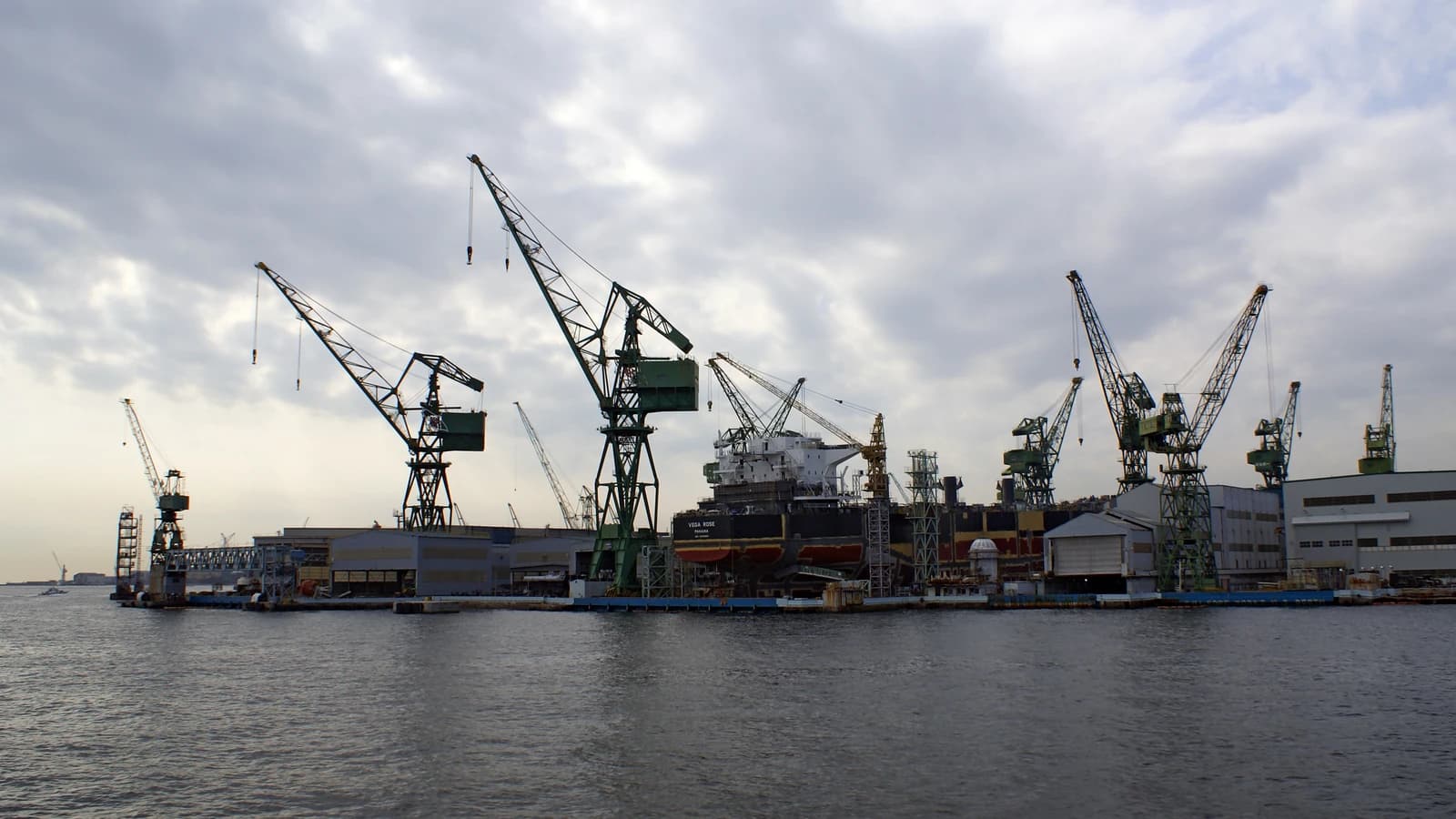
The money, announced by the land transport ministry, is aimed at helping Japan double shipbuilding capacity by 2035, a target that matters well beyond one industrial niche. Shipbuilding sits at the intersection of trade, energy security, defense readiness and regional employment, and Japan has been increasingly sensitive to its dependence on foreign yards for both commercial and strategic tonnage. Rebuilding domestic capacity could reduce supply-chain exposure, preserve engineering know-how and give Tokyo more leverage in a sector now shaped by national security as much as economics.
Sentiment IndicatorsⓘProprietary · adalytica.com · September 4, 2026
This is a snapshot — live sentiment, awareness and momentum for 130+ markets update continuously in the dashboard.Open AlphaPulse
Land, Infrastructure, Transport and Tourism Minister Tetsuo Kaneko said the “revival of Japan’s shipbuilding industry is finally starting to take off,” underscoring how serious Tokyo is about treating the industry as strategic infrastructure. The support will go to three groups including Imabari Shipbuilding, the country’s largest yard, with the funding drawn from a government fund totaling 350 billion yen created to expand domestic capacity.
The scale of the package suggests Japan is not just subsidizing a cyclical industry, but trying to reverse a long structural decline. Shipyards need large upfront capital spending, long lead times and a steady order pipeline to justify new dry docks, automation and workforce training. That makes them vulnerable to underinvestment when global competition is intense. State support can bridge that gap, but only if it is matched by private capital, stable demand and enough labor to actually build more ships.
For investors, the announcement is relevant on several fronts. It is a positive for listed Japanese marine and industrial names tied to shipbuilding, engineering and equipment supply, while potentially sharpening competition with Korean and Chinese peers that already benefit from larger scale. It could also support parts of Japan’s broader industrial base if the policy succeeds in pulling through demand for steel, propulsion systems and port logistics. The upside case is that the subsidies help restore capacity just as commercial shipping, LNG transport and defense-related vessel demand remain firm. The bear case is that subsidies alone cannot overcome labor shortages, thin margins and the capital intensity of the sector, leaving Japan with a costly but still uncompetitive industry.
The move also fits a wider geopolitical backdrop. Maritime power, logistics resilience and naval industrial capacity have become more important as regional tensions rise and governments in Asia and the U.S. put more weight on domestic shipbuilding. If Japan can convert the funding into real output, the policy could deepen its role in allied supply chains and create a more durable base for both merchant and defense-linked ship construction.
For now, the message from Tokyo is clear: shipbuilding is being treated less like a fading legacy industry and more like a strategic asset. The next test is whether the money can translate into orders, workers and hulls.
| Entity | Gains | Losses |
|---|---|---|
| Imabari Shipbuilding and peers | ▲Subsidies and capacity expansion | ▼Pressure to execute quickly |
| Japanese shipbuilding supply chain | ▲New investment and orders | ▼Margin pressure if costs rise |
| South Korean and Chinese yards | ▲— | ▼More competition from Japan |
| Japan government | ▲Industrial resilience and strategic capacity | ▼Fiscal cost and execution risk |