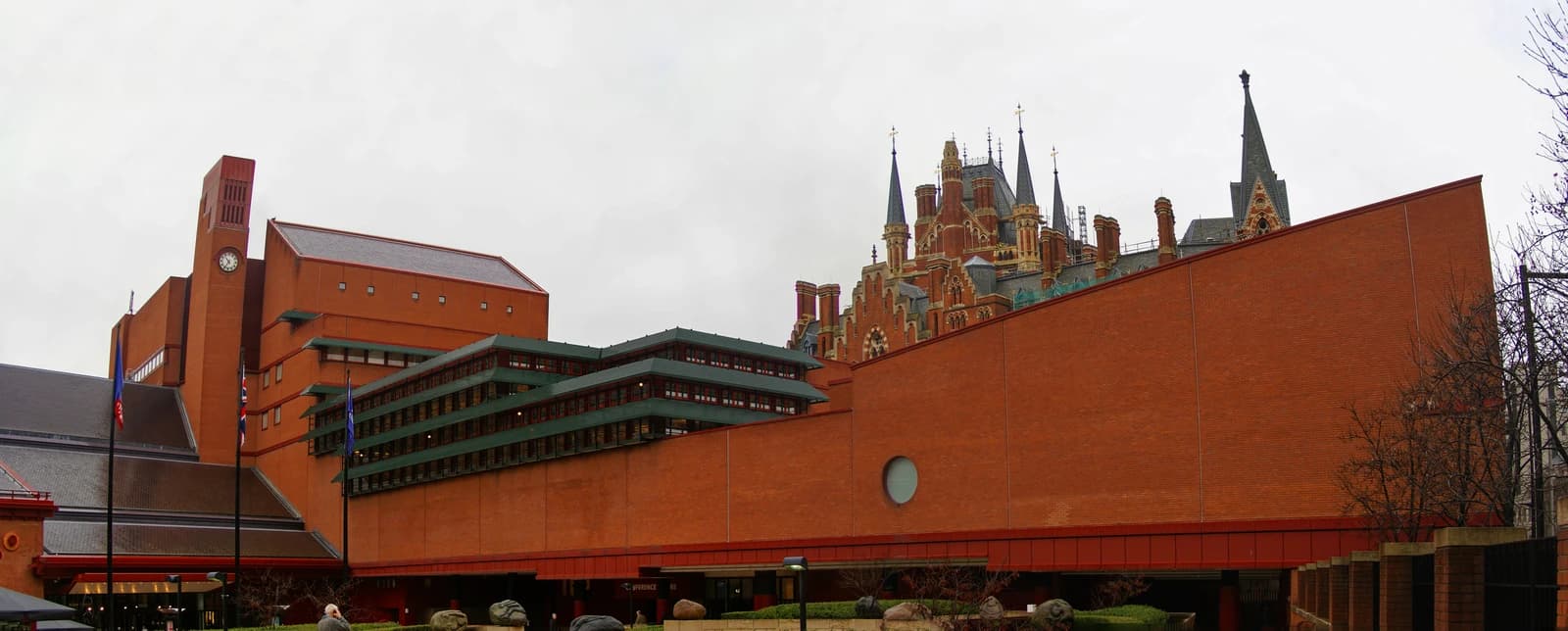
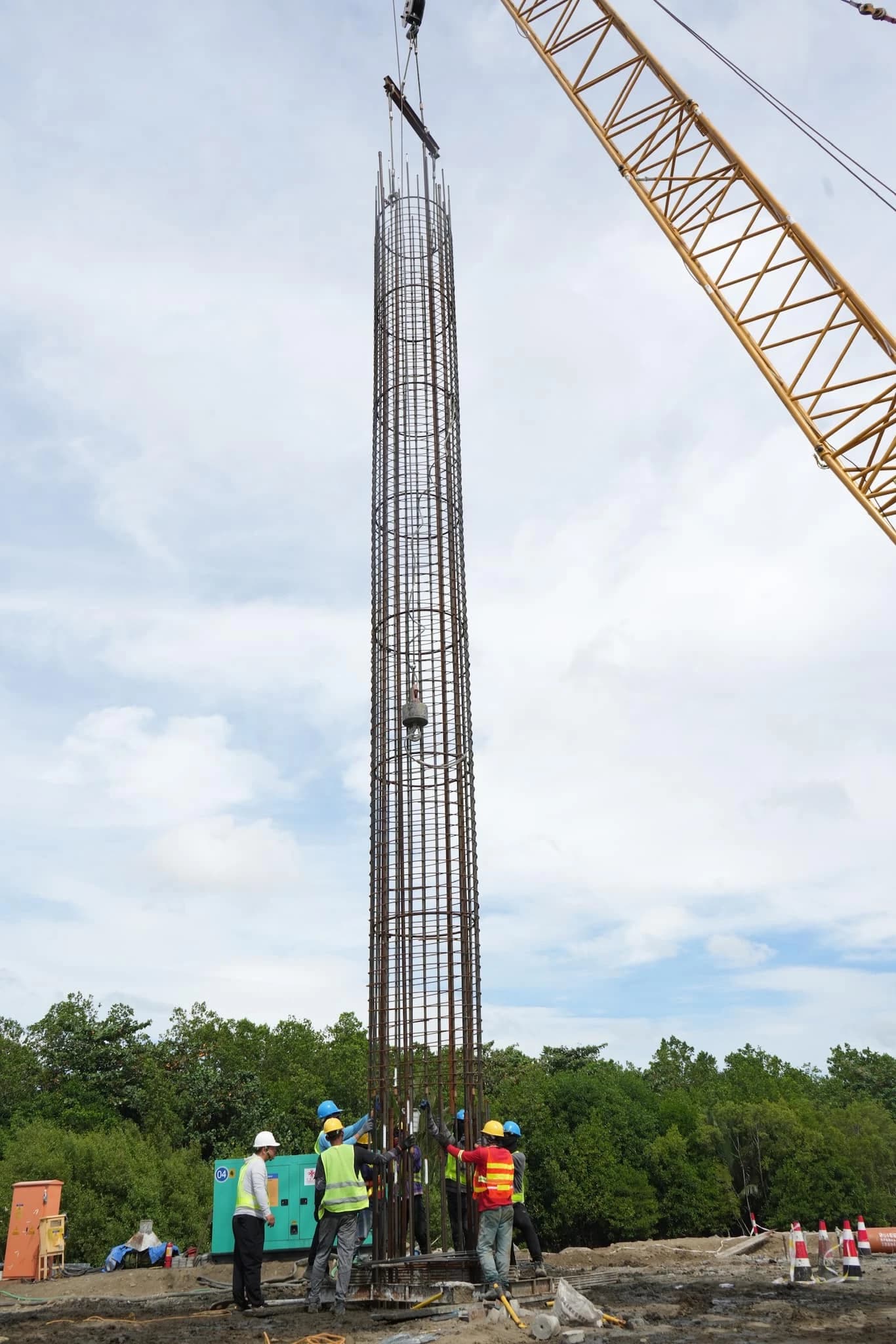
The British Library’s long-awaited redevelopment is set to become one of the biggest Japan-to-UK cultural construction projects in years, with a Japanese company chosen to deliver more than 200 billion yen of work through 2032.
British Library redevelopment awarded to Japanese builder
The scale and duration of the job matter because they turn a landmark public building into a multi-year capital project at a time when the UK is still trying to revive investment in infrastructure, culture and urban regeneration. For the contractor, the award adds a large, long-dated backlog item in a market where public and quasi-public development can be scarcer and more politically sensitive than private commercial work.
Sentiment IndicatorsⓘProprietary · adalytica.com · September 25, 2026
This is a snapshot — live sentiment, awareness and momentum for 130+ markets update continuously in the dashboard.Open AlphaPulse
The project also points to the growing export of Japanese construction and design expertise into premium overseas redevelopment, especially where clients want a combination of seismic engineering, careful heritage treatment and a visually distinctive public-facing finish. The reference to a Japanese-style ground-breaking ceremony underscores how the deal is being framed not just as construction, but as a symbol of cross-border prestige and execution capability.
For investors, the implication is twofold. First, the order book support is meaningful for the Japanese builder involved, particularly if the project is structured to be recognized gradually over several years rather than as a one-off boost. Second, the contract may signal that Japanese contractors with strong technical reputations can still win high-value overseas work even as domestic demand remains uneven.
That matters against a backdrop of rising global construction complexity. Projects involving major cultural institutions increasingly require more than basic building capability: they need risk management, financing discipline, specialist fit-out and the ability to work around live operations. Those traits tend to favor established contractors over smaller peers, but they also create execution risk if costs drift or schedules slip.
The broad story is one of Japanese capital and construction know-how being deployed into a high-profile UK asset, with the British Library serving as both a heritage site and a commercial opportunity. If delivered on time by 2032, the redevelopment could bolster the contractor’s international credentials and open doors to similar projects. If inflation, labor shortages or design complications intervene, the economics will be less flattering.
For now, the market read is straightforward: a large, visible overseas contract is a positive for the Japanese builder, a sign of continued demand for premium redevelopment in London, and another reminder that international public-sector projects are becoming a more important source of growth for top-tier Asian contractors.
| Entity | Gains | Losses |
|---|---|---|
| Japanese contractor | ▲200bn yen backlog | ▼Execution risk |
| British Library | ▲Redevelopment funding | ▼Long project disruption |
| UK regeneration market | ▲Foreign capital inflow | ▼Local contractor share |
| Japanese peers | ▲Overseas reference case | ▼Higher competition pressure |