Japan’s Defense Ministry has asked for a record 8.8 trillion yen for the next fiscal year, underscoring how security concerns are now driving one of the most durable shifts in the country’s public spending profile.
Japan Defense Ministry Seeks Record 8.8 Trillion Yen
The request, the largest for a fourth straight year, matters because it turns defense from a cyclical policy debate into a structural budget item at a time when Tokyo is already wrestling with higher borrowing costs, a weaker yen and pressure to show fiscal discipline. For investors, it reinforces the view that Japan is moving deeper into a multi-year rearmament cycle that should benefit domestic defense suppliers, electronics and systems integrators, while adding to scrutiny of the sovereign funding outlook.
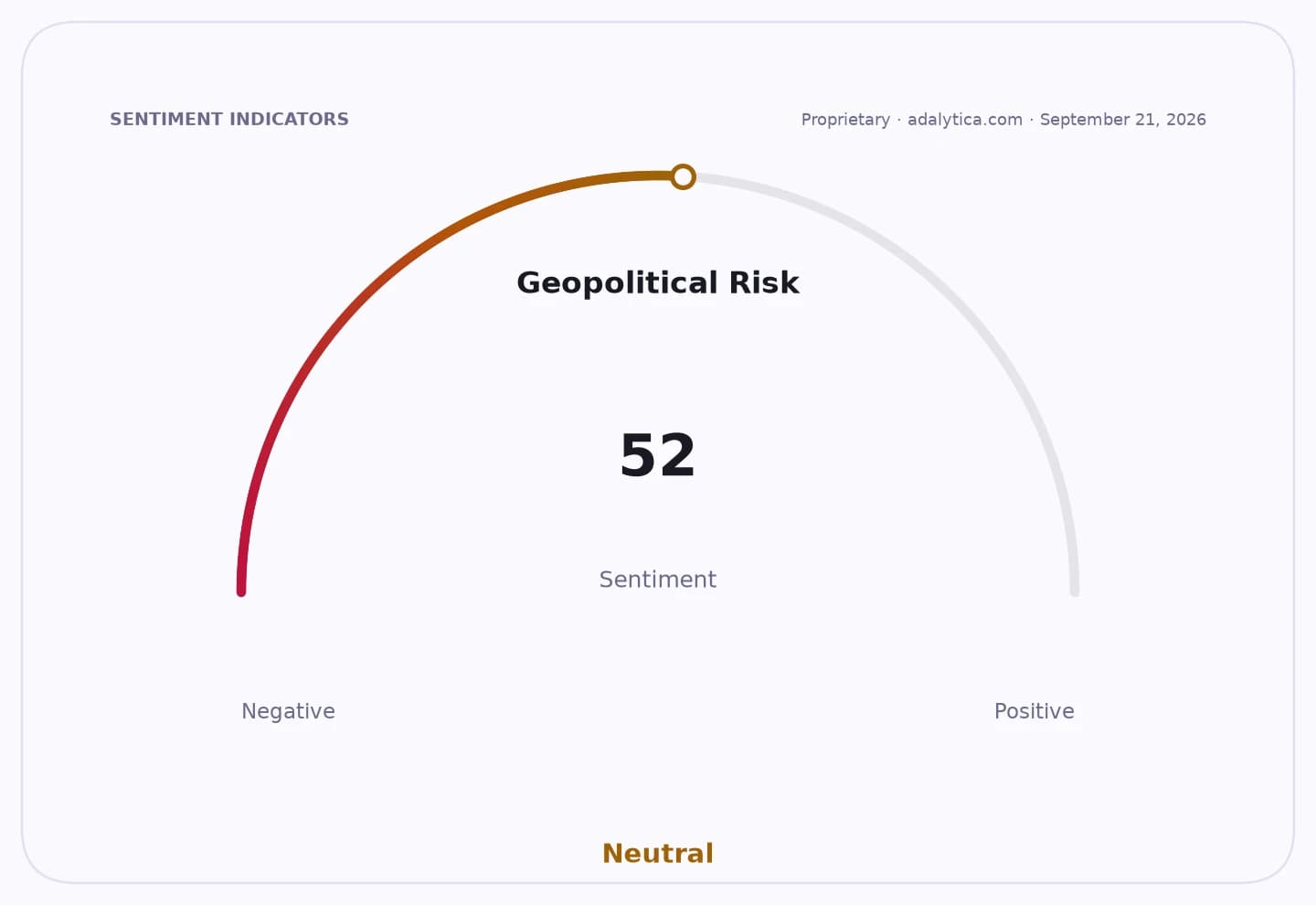
Sentiment IndicatorsⓘProprietary · adalytica.com · September 4, 2026
This is a snapshot — live sentiment, awareness and momentum for 130+ markets update continuously in the dashboard.Open AlphaPulse
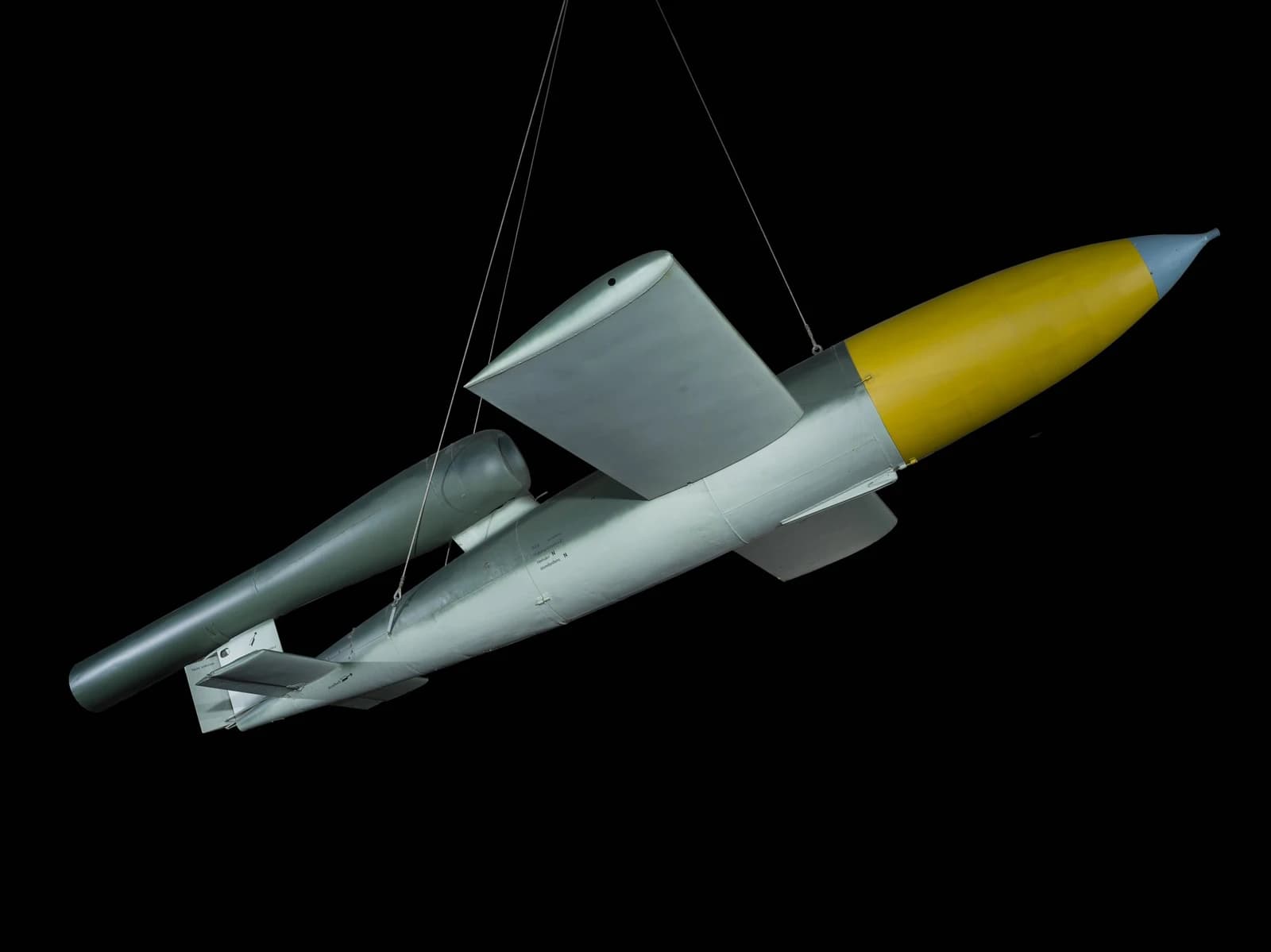
The ministry’s plan is aimed at capabilities Tokyo increasingly sees as necessary for deterrence: unmanned aerial vehicles, artificial intelligence-linked systems and hypersonic missile technology. That spending mix suggests the budget is not simply about volume, but about accelerating Japan’s shift toward stand-off, high-tech and rapid-response capabilities as regional tensions remain elevated, especially around China and the wider East Asia security environment.
The scale of the request also reflects politics as much as strategy. Japan has committed to lifting defense spending toward 2% of GDP by fiscal 2027, a target that is reshaping medium-term fiscal planning and forcing the government to find room elsewhere in the budget. That makes the defense line item increasingly important for bond investors, who are already watching whether higher outlays will be matched by revenue measures or by greater debt issuance.
The macro backdrop is less forgiving than when Japan first set out to expand military spending. Interest rates have risen from ultra-low levels, the yen remains weak by historical standards, and the government is facing growing demands across social security, disaster response and industrial policy. That means defense outlays, while politically easier to justify, compete directly with other spending priorities and could deepen tensions inside the ruling coalition over fiscal consolidation.
For markets, the immediate impact is likely to be most visible in listed contractors and technology groups that can win work in surveillance, command-and-control, drones and missile-related systems. The broader implication is that Japan’s defense buildout is becoming a recurring budget theme rather than a one-off response to geopolitics, giving investors a clearer multi-year revenue path for companies tied to national security procurement.
The next focus will be how much of the request survives cabinet review and parliamentary negotiation, and whether the government can pair higher defense spending with a credible fiscal framework. If it cannot, the budget may strengthen the strategic case for rearmament while worsening the investment case for longer-dated Japanese government debt.
| Entity | Gains | Losses |
|---|---|---|
| Japan defense contractors | ▲Higher procurement demand | ▼Budget scrutiny risk |
| Ministry of Defense | ▲Expanded capabilities | ▼Fiscal criticism |
| Japanese bondholders | ▲Clearer spending visibility | ▼Higher issuance pressure |
| Taxpayers/social spending programs | ▲— | ▼Tighter fiscal room |