Japan’s latest career-change salary rankings suggest the old university hierarchy is becoming a labor-market contest as much as an academic one, with the University of Tokyo still near the top but under pressure from private schools and technical universities that are translating alumni networks into pay.
Japan university salary rankings pressure elite schools

The Nikkei annual income survey for job changers puts graduates’ earning power back at the center of Japan’s debate over human capital, where the value of a degree is increasingly measured by wage outcomes rather than entrance prestige alone. That matters economically because Japan is in the middle of a tight labor market, rising wage expectations and an overdue scramble for productivity, all of which make alumni income a more useful gauge of which institutions are supplying the country’s most mobile and rewarded workers.
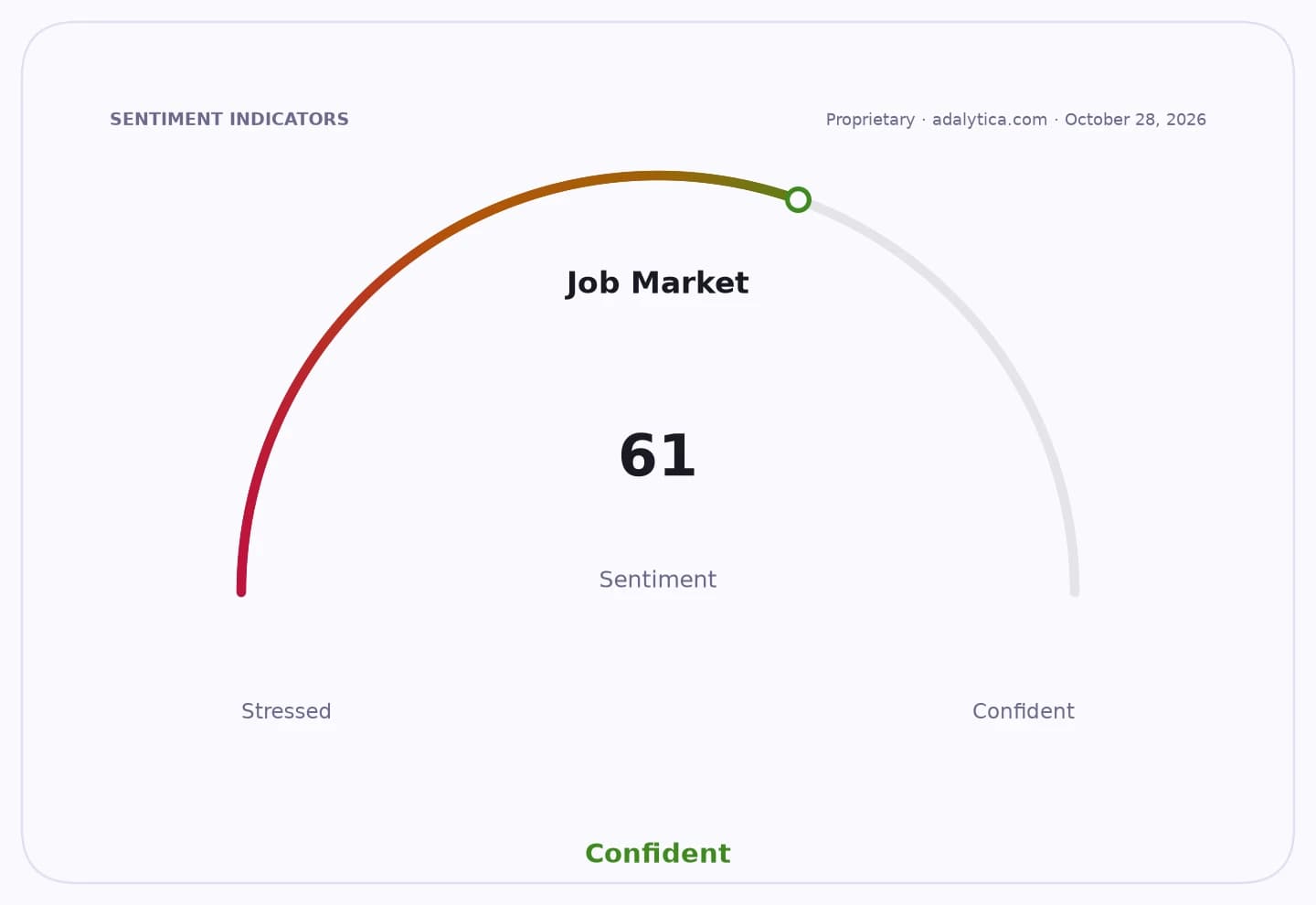
Sentiment IndicatorsⓘProprietary · adalytica.com · October 25, 2026
This is a snapshot — live sentiment, awareness and momentum for 130+ markets update continuously in the dashboard.Open AlphaPulse

The ranking, which extends to 30th place and breaks out age groups, is important for investors because it provides a rare, broad signal on the institutions shaping Japan’s future management pipeline. Schools that dominate salary outcomes typically have stronger ties to major employers, better placement into finance, technology and consulting, and more durable brand value among students and parents. That can feed through to enrollment demand, fundraising and partnerships, particularly as universities compete for shrinking domestic student cohorts.
For listed education groups, the implications are more direct. East Education’s shares, tracked under the EDU ticker, have been volatile but remain well above their 50-day moving average after a sharp rebound from June lows, reflecting renewed interest in assets tied to Japan’s skills premium. The stock closed at 58.38 on Oct. 23, above both its 50-day and 200-day averages, though momentum has cooled from overbought levels seen in late July and early September. That suggests investors are still willing to pay for exposure to Japan’s education upgrade theme, but are watching for proof that ranking strength can convert into durable revenue growth.
The broader message is that Japan’s labor market is rewarding alumni from institutions that can produce higher-earning, more portable talent, not just the schools with the strongest exam brands. If private universities continue to narrow the pay gap with the most elite national names, that could gradually reshape applicant behavior, tuition pricing power and corporate recruiting patterns. The next catalyst will be whether these rankings feed into stronger enrollment and placement data, or whether they remain a prestige metric with limited commercial follow-through.
| Entity | Gains | Losses |
|---|---|---|
| Top-ranked universities | ▲Stronger brand and admissions demand | ▼Pressure to justify premium reputation |
| Private and technical universities | ▲Better wage outcomes and employer ties | ▼Less prestige than elite national peers |
| Students and job changers | ▲Clearer payoff signal on degrees | ▼Risk of higher tuition for uncertain returns |
| Education investors | ▲Better visibility on skills-driven demand | ▼Volatility if rankings do not lift earnings |