Japan’s move toward lifting a ban on fresh U.S. potato imports is drawing sharper resistance from domestic growers, who say any lapse in quarantine could trigger catastrophic damage to one of the country’s most sensitive food crops.
Japan Fresh U.S. Potato Import Ban Review
The opposition matters because the issue is not just trade policy but agricultural biosecurity. Japanese farmers argue that opening the market to raw U.S. potatoes could allow invasive pests such as the potato cyst nematode and pale cyst nematode into fields, where they can survive in soil for more than 15 years and are extremely difficult to eradicate.
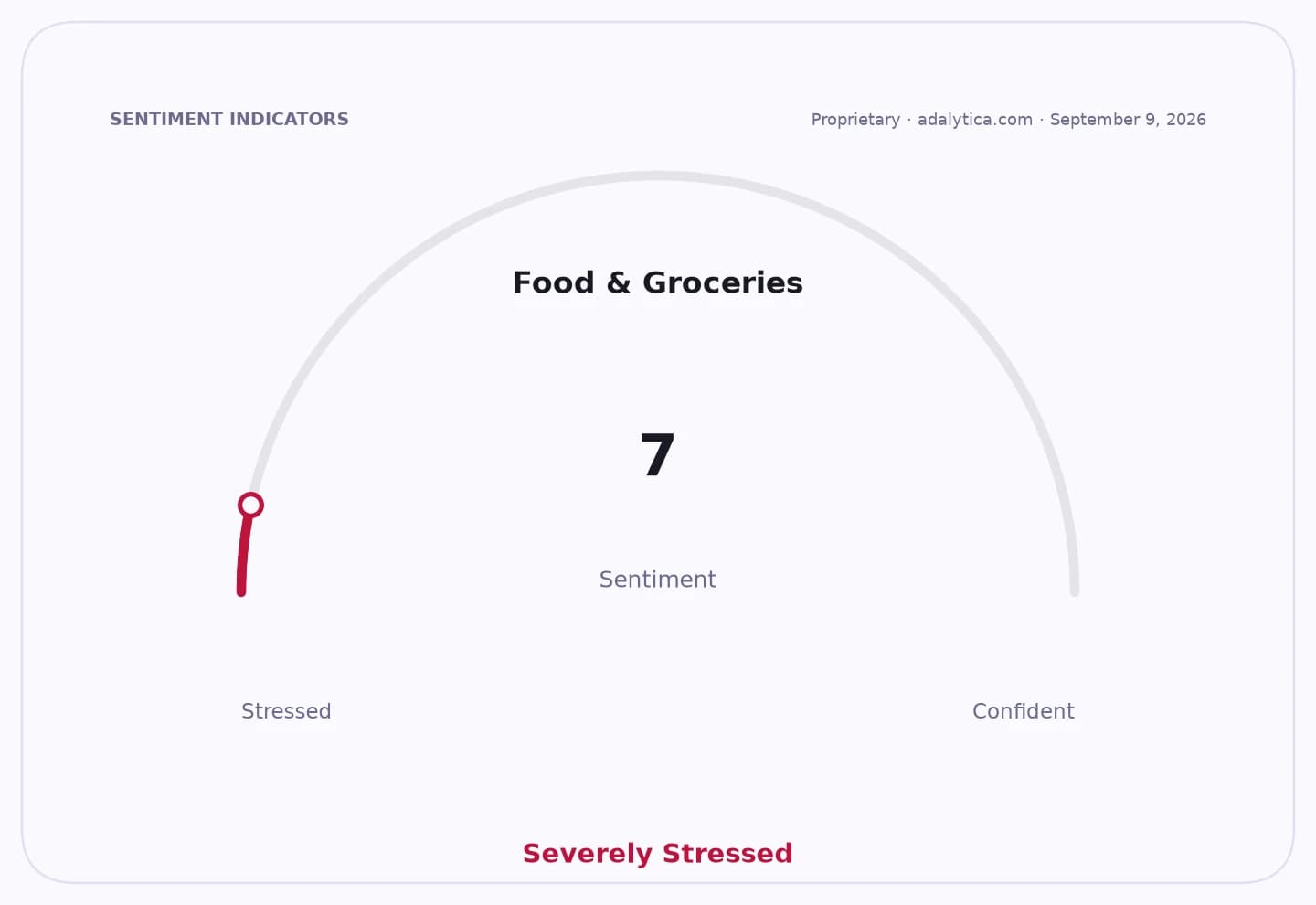
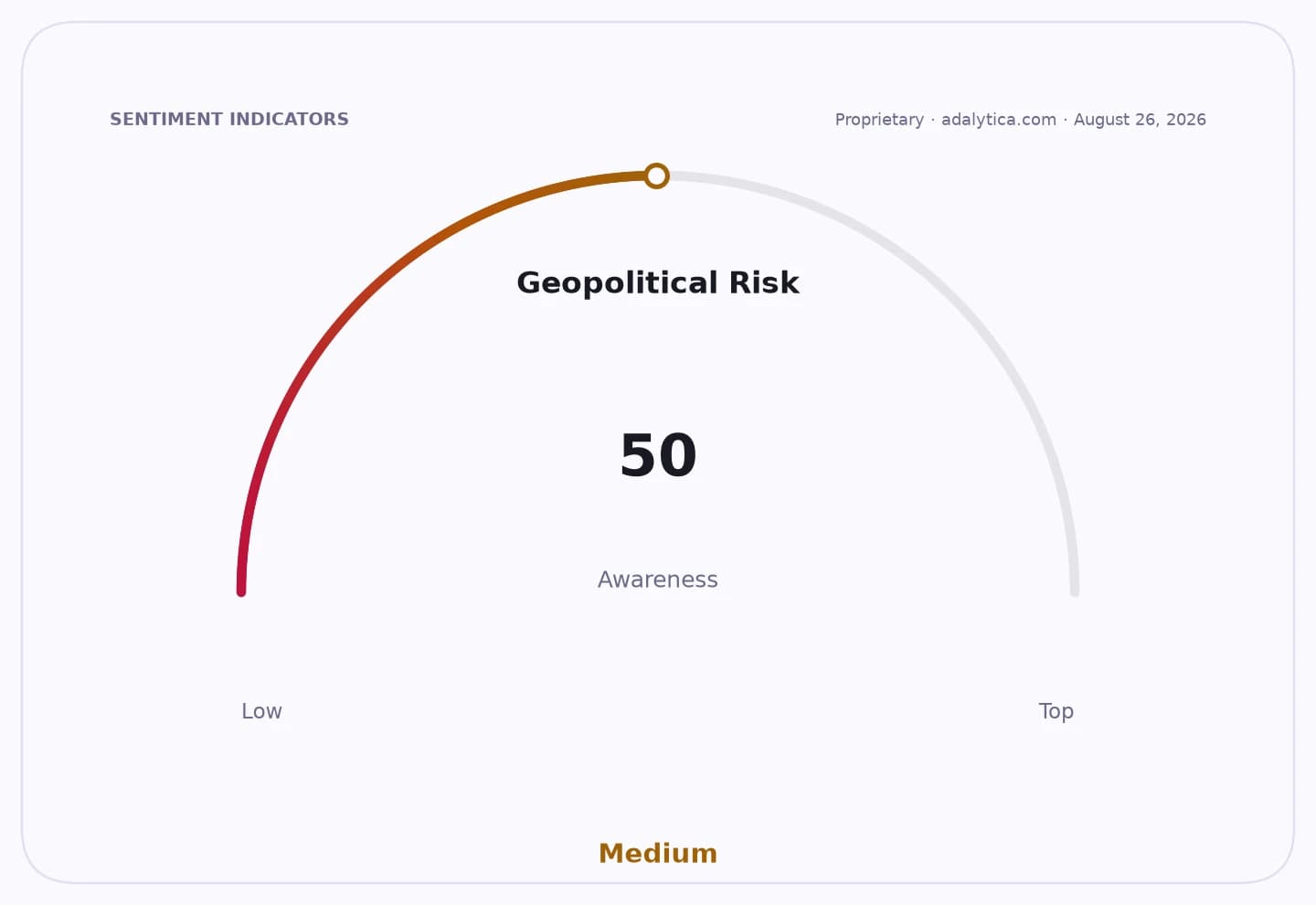
Sentiment IndicatorsⓘProprietary · adalytica.com · September 5, 2026
This is a snapshot — live sentiment, awareness and momentum for 130+ markets update continuously in the dashboard.Open AlphaPulse
That threat carries direct economic consequences for Japan’s farm belt, where potatoes are a major crop and disease outbreaks could cut yields, raise pest-control costs and disrupt rotation systems. Officials are still weighing whether to approve imports after Washington requested access in 2020, but the Ministry of Agriculture is already under pressure to show it can protect domestic production if restrictions are eased.
The current ban remains in place for fresh potatoes, while Japan has allowed certain processed imports since 2006 if they are shipped in sealed conditions and cooked at high temperatures that kill the pests. Growers say that distinction is critical, because fresh potatoes used by supermarkets and restaurants would pose a much wider contamination risk.
For investors, the dispute is less about the potato market itself than about the wider balance between food inflation, import access and protection of local supply chains. Any easing of the ban would be a win for U.S. exporters and food service buyers in Japan, but it could intensify pressure on domestic growers and add uncertainty around agricultural policy at a time when supply security remains a political issue.
Japan has signaled it may pair any liberalization with support measures such as compensation and rent discounts if prices weaken, but the final terms of any deal will be watched closely by farm groups and trade officials on both sides of the Pacific. The next catalyst is whether Tokyo moves from technical review to a formal decision on import conditions, a step that could set the tone for broader agricultural trade talks.
| Entity | Gains | Losses |
|---|---|---|
| U.S. potato exporters | ▲New Japan sales channel | ▼Continued ban risk |
| Japanese farmers | ▲Biosecurity protection | ▼Import competition |
| Japanese consumers/restaurants | ▲Potential supply flexibility | ▼Higher disease-risk concerns |
| Japan government | ▲Trade progress | ▼Political backlash from growers |