Jelcz’s 50% production increase and record output point to a broader shift in European defense spending: governments are no longer just ordering more equipment, they are forcing suppliers to industrialize at speed to meet wartime-style demand.
Jelcz Output Surge Signals European Defense Industrial Ramp
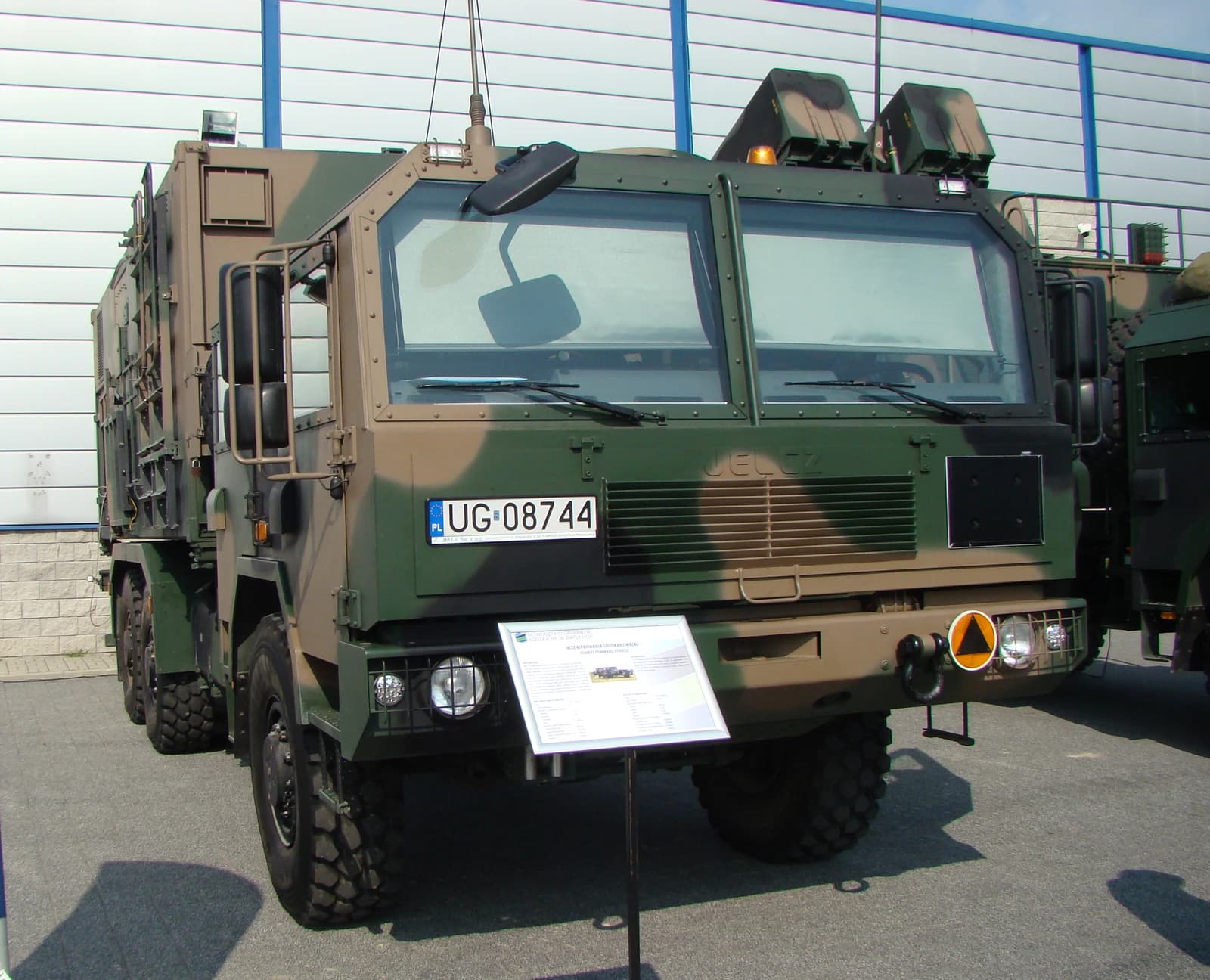
That matters economically because defense procurement is moving from a budgeting exercise to an industrial policy problem. When a manufacturer such as Jelcz says it has broken production records, the real story is not only higher sales potential but also tighter supply chains, fuller order books and more pressure on subcontractors, metalworking capacity and logistics. The effect ripples through the industrial base, lifting demand for specialized components while also exposing bottlenecks that can delay delivery and push up unit costs.
Sentiment IndicatorsⓘProprietary · adalytica.com · July 17, 2026
This is a snapshot — live sentiment, awareness and momentum for 130+ markets update continuously in the dashboard.Open AlphaPulse
For investors, the key signal is that the defense cycle remains in an expansion phase, with volume growth now becoming as important as contract wins. The rally in broad industrial-production sentiment, which Adalytica.com gauges at “Extreme Greed,” suggests markets are increasingly pricing in a sustained manufacturing upswing tied to security spending. In defense, though, the gap between order announcements and actual production is often where valuation risk sits. Companies that can convert backlog into shipped vehicles, systems and munitions faster than peers should be rewarded with better earnings visibility and potentially richer multiples.
Jelcz’s output ramp also fits a wider European rearmament narrative. From armoured trucks and artillery support vehicles to ammunition and air-defense systems, manufacturers across the sector are being asked to scale capacity after years of underinvestment. That has been reinforced by the procurement push visible at larger peers such as Lockheed Martin, General Dynamics, Northrop Grumman and RTX, where backlog and production-ramp commentary have highlighted similar demand conditions. The difference is that smaller, more specialized suppliers like Jelcz may see a sharper earnings inflection if they can sustain higher throughput without a disproportionate rise in fixed costs.
The bull case is straightforward: if demand stays elevated and capacity expands in a controlled way, Jelcz could turn a record production run into durable margin gains and a stronger strategic position in Poland’s defense ecosystem. The bear case is that rapid scaling can strain labor, components and working capital, while defense budgets, though robust now, are still subject to politics and procurement timing.
For investors, the next catalyst is whether record output proves repeatable rather than a one-off surge. Sustained production growth would confirm that Europe’s defense reset is becoming a multi-year industrial cycle, not just a temporary response to geopolitical risk.
| Entity | Gains | Losses |
|---|---|---|
| Jelcz | ▲Higher output, backlog conversion | ▼Execution strain |
| Defense suppliers | ▲More orders and capacity demand | ▼Cost inflation |
| NATO/Polish buyers | ▲Faster equipment delivery | ▼Higher procurement pressure |
| Short sellers | ▲— | ▼Demand-cycle thesis |