South Korea’s push to turn Jeonju into a financial hub is running up against the most basic problem in regional development: there is not yet enough business to justify the infrastructure, and not enough infrastructure to make business easy.
Jeonju Financial Hub Faces Weak Business Base
That is the core tension in the latest reporting from Jeonbuk province, where the National Pension Service moved its headquarters to Jeonju nearly a decade ago with the goal of anchoring a new capital-markets center. Instead, the area around its fund-management base in Manseong District is described as having shuttered real estate, thin weekend foot traffic and a “ghost town” feel. Asset managers traveling in for meetings say they face poor transport links, scarce conference space and hours of waiting, even as some firms reportedly budget thousands of won in travel costs for each trip.
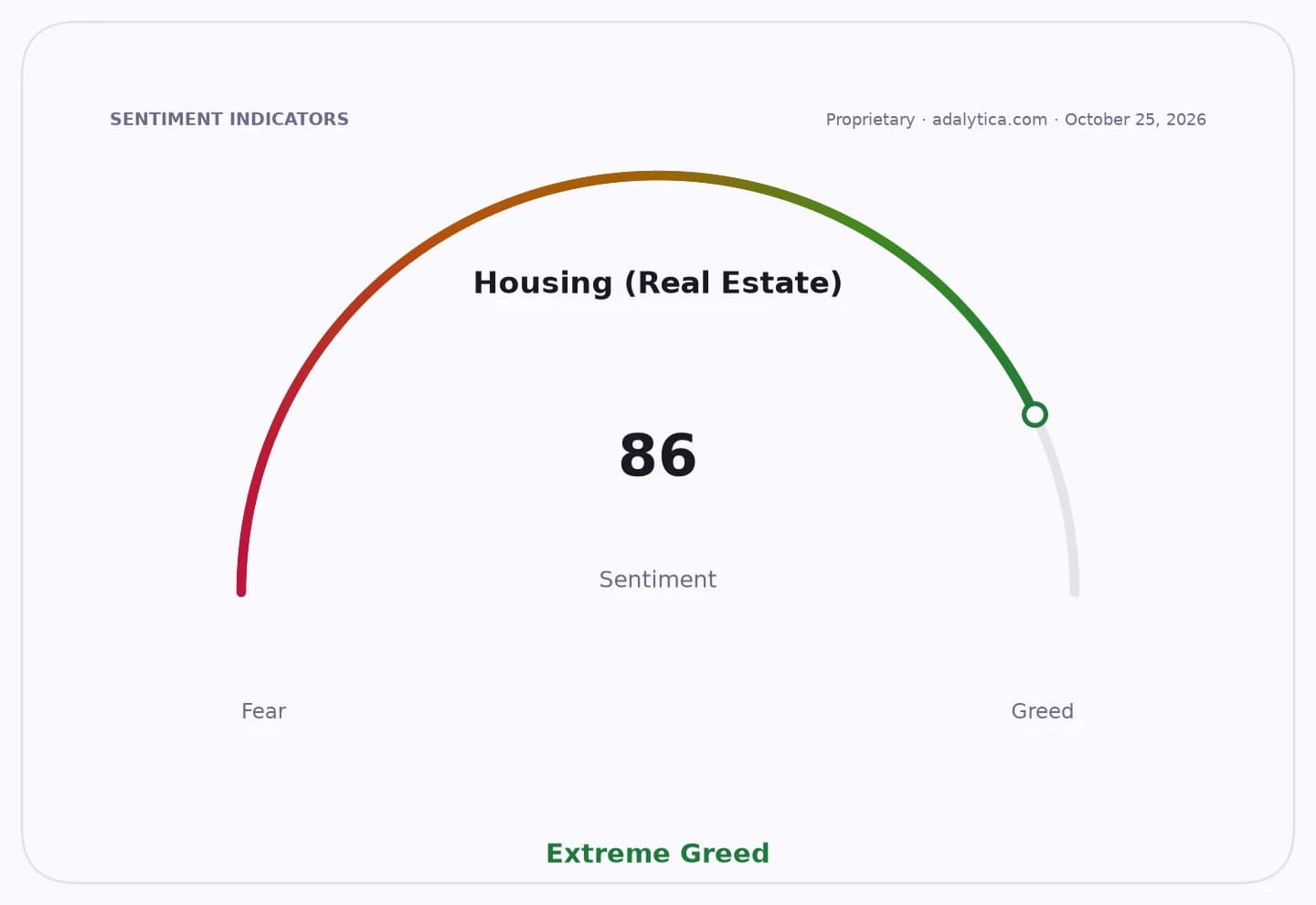
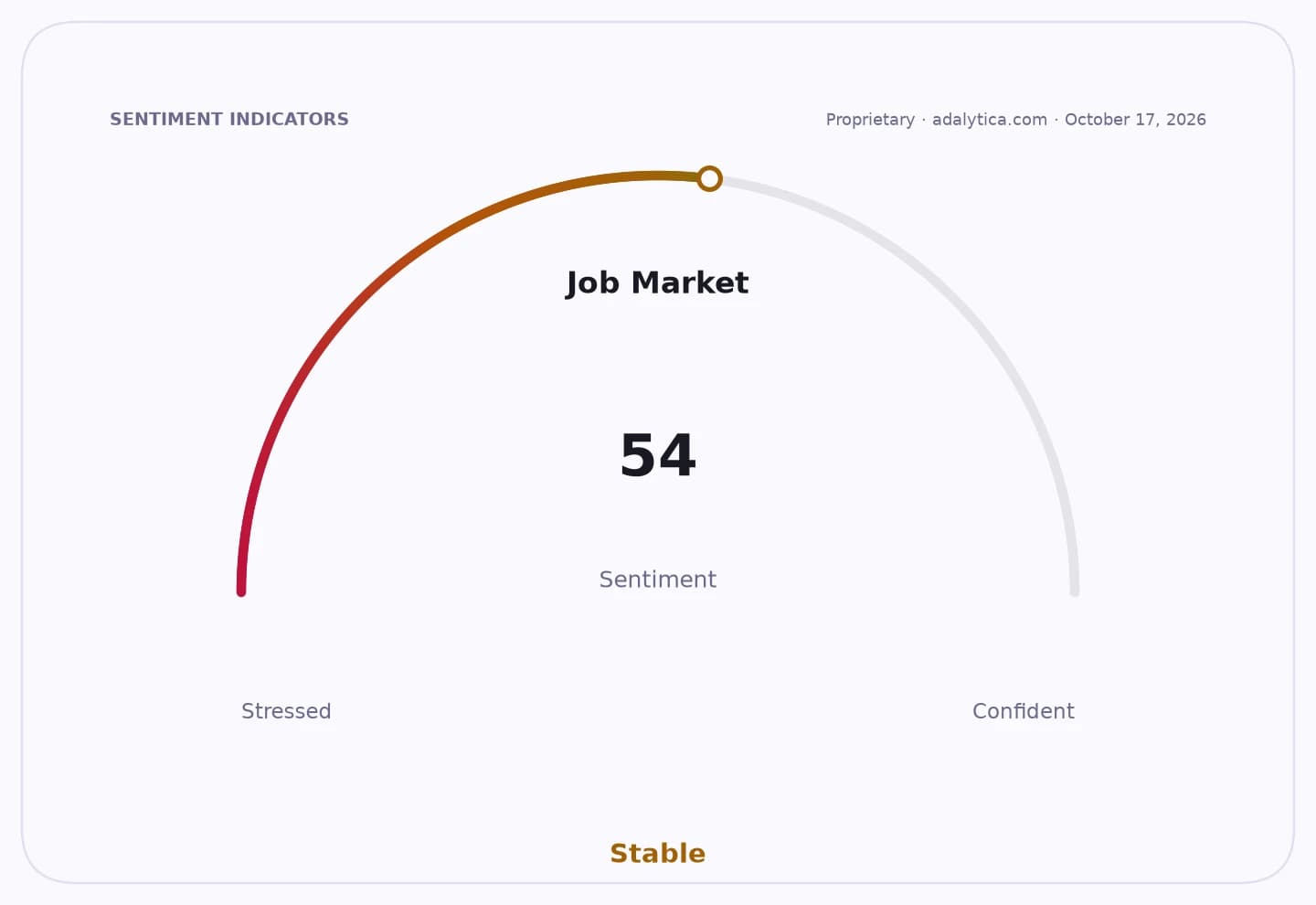
Sentiment Indicators
For investors, the significance goes beyond one city. A financial center is not built by decree; it depends on a dense ecosystem of lawyers, brokers, fund managers, service providers and talent. If those pieces do not arrive, the local economy never gets the multiplier effect policymakers want. That means lower office demand, weaker commercial property usage and less reason for private capital to follow public institutions into the region.
The broader economic warning sign is that Jeonju’s population has been shrinking faster than the wider North Jeolla province over the past five years, with indicators of regional decline deteriorating more sharply than elsewhere in the province. That matters because labor supply, consumer demand and business formation all reinforce one another. When people leave, retailers lose traffic; when retailers close, the area becomes less attractive to employers; when employers stay away, the public-sector anchor ends up standing alone.
That is why the next phase of South Korea’s second round of public-institution relocation could be pivotal. Authorities are expected to outline the plan as soon as next month, and the Jeonju experience suggests that moving more agencies without building the surrounding ecosystem may only replicate the same problem elsewhere. Economists quoted in the report argue that government support will be needed to bring in more firms, more capital and more amenities if the city is to function as a genuine financial center.
For long-term investors, the lesson is straightforward: regional policy can create a headline, but it does not automatically create a market. If Jeonju is to become more than a relocated address, it will need sustained public investment, private-sector follow-through and a reason for skilled workers to stay. Until then, the gap between ambition and execution remains the story worth watching.
| Entity | Gains | Losses |
|---|---|---|
| Jeonju / Jeonbuk policymakers | ▲Policy spotlight | ▼Credibility if rollout stalls |
| National Pension Service | ▲Public-sector presence | ▼Faces weak local ecosystem |
| Local retailers / landlords | ▲Possible future foot traffic | ▼Empty stores and low demand |
| Asset managers / visiting firms | ▲Potential new market access | ▼Higher travel time and costs |