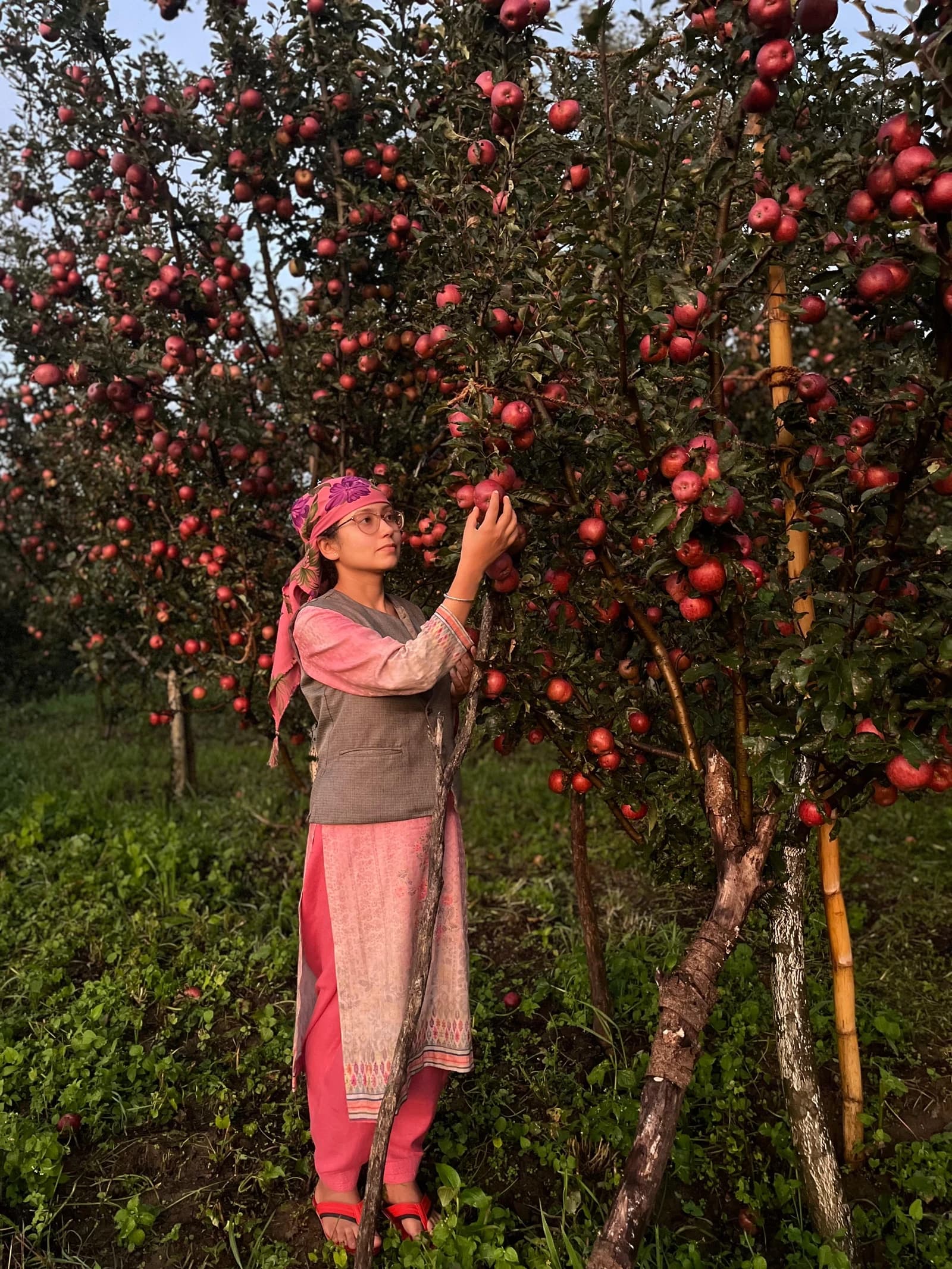
Rail is becoming a bigger economic lever for Kashmir’s apple growers, and that matters because the fruit corridor in Jammu and Kashmir is still highly exposed to road disruption, rising logistics costs and peak-season bottlenecks. The horticulture department’s move to widen freight and Ro-Ro use after about 25,000 metric tonnes of apples were moved by rail last season is less a procedural update than an attempt to harden the supply chain for one of the region’s most important cash crops.
J&K Apple Growers Expand Rail Freight Use
The consultation in Srinagar brings Northern Railway, growers, traders, aggregators and logistics operators into the same room at a crucial point in the season. That is the right response to a structural problem: apples are perishable, peak harvest volumes are concentrated, and every delay on the road from the valley to consumption markets outside Jammu and Kashmir can eat into grower margins. By pushing more freight onto rail, officials are trying to build a lower-cost, more reliable route to market that can reduce spoilage and improve price realization.
For investors, the bigger story is the expanding role of rail as a toll road for agricultural supply chains. Rail freight does not just move apples; it monetizes transport friction. If Jammu and Kashmir can increase rail’s share of horticulture shipments, the beneficiaries are the operators with network access, terminal capability and booking logistics, while the losers are road-dependent transporters that profit from congestion and last-mile bottlenecks. The push also reinforces a broader theme across India and other emerging markets: as producers seek more predictable distribution for perishables, freight rail gains pricing power and volume visibility.
The market implications are especially relevant for rail-linked names and infrastructure suppliers. In the U.S., Union Pacific, CSX and Norfolk Southern have all shown that freight growth can still be a powerful earnings driver when industrial and agricultural volumes improve, and the same economics apply in India’s harvest corridors. More freight density tends to support better asset utilization, while the shift from road to rail can create steady demand for wagons, loading systems, terminals and cold-chain-adjacent services. The logic is simple: where the crop is concentrated and the road network is strained, rail captures the margin.
The consultation also hints at the next catalyst. The real upside is not the 25,000-tonne figure itself, but whether Jammu and Kashmir can convert this season’s trial into a more institutionalized freight system with clearer booking procedures, better loading arrangements and faster information flow. If that happens, rail could become a recurring structural advantage for the valley’s growers rather than an emergency backstop. For investors tracking India’s logistics and infrastructure buildout, that is exactly the kind of second-order shift worth positioning for early.
| Entity | Gains | Losses |
|---|---|---|
| Rail freight operators | ▲Higher volumes | ▼Road dependence |
| J&K apple growers | ▲Lower logistics friction | ▼Peak-season bottlenecks |
| Logistics aggregators | ▲More bookings | ▼Fragmented trucking margins |
| Truck operators | ▲— | ▼Freight share loss |