Nigeria’s central bank has given JPMorgan preliminary approval to open a merchant bank in the country, a move that could deepen foreign participation in Africa’s biggest economy’s financial system and, if completed, add another channel for corporate finance and capital-market activity.
JPMorgan Gets Approval in Principle for Nigeria Bank

The approval-in-principle from the Central Bank of Nigeria is not a final licence, but it matters because it signals that regulators in Abuja want more global banks inside a market long viewed as underpenetrated and volatile. For Nigeria, which has been pushing banking-sector recapitalisation and broader reforms to restore credibility, the entry of a name like JPMorgan is a vote of confidence that could help draw investment and improve access to specialised financing for companies and institutions.
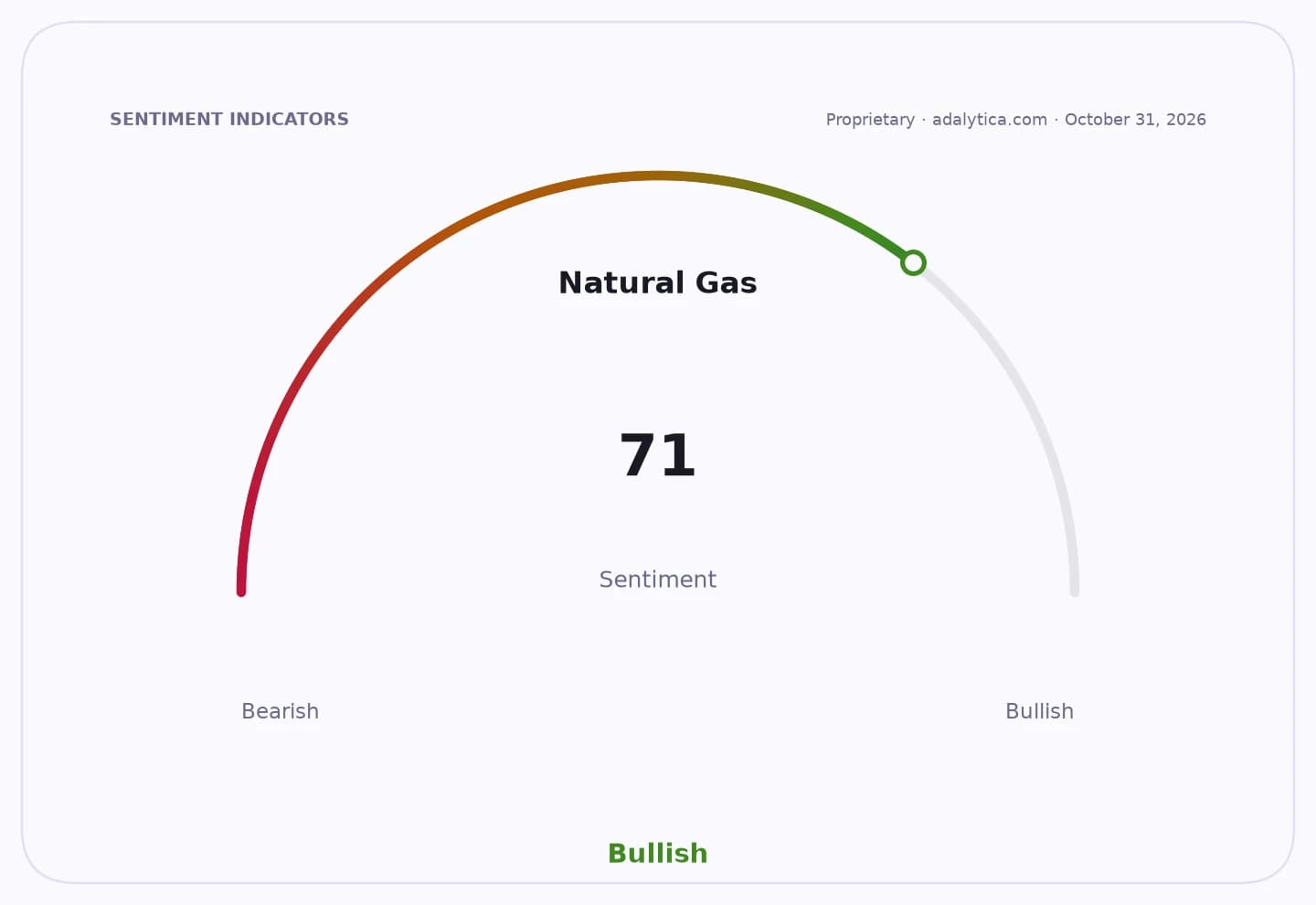
Sentiment Indicators
JPMorgan Merchant Bank Nigeria Limited still has to clear additional regulatory steps, including registration with the Corporate Affairs Commission and operational approvals, before it can begin business. The central bank said the proposed bank would need a final licence before opening its doors.
Still, the decision fits into a wider policy effort by Governor Olayemi Cardoso to rebuild trust in the financial system and strengthen Nigeria’s links to international capital markets. Cardoso said the central bank wants a system that is “stable, competitive and internationally connected,” language that reflects how much of the reform agenda is now tied to attracting foreign money rather than merely stabilising local banks.
The timing is also important. Nigeria has just completed a sector recapitalisation exercise meant to leave banks better able to absorb shocks and support lending. A larger, better-capitalised banking system makes it easier for foreign institutions to enter, and for local borrowers to tap more sophisticated services such as advisory, underwriting and capital raising.
For investors, the significance is twofold. First, it reinforces the view that Nigeria is still on the map for global financial firms despite macroeconomic strains and lingering risk premia. Second, it suggests more competition in a niche part of the market where access to deep international balance sheets and structuring expertise can matter for large companies, sovereign-linked clients and cross-border transactions.
JPMorgan itself is coming in from a position of strength. The bank has been posting solid profits and remains one of the world’s most active capital-markets players, giving it the scale to test frontier opportunities without needing immediate market dominance. Its presence in Nigeria would not transform the banking landscape overnight, but it would carry symbolic weight and could open the door to more foreign institutional engagement if the business proves viable.
The bear case is that Nigeria’s operating environment remains difficult, with currency volatility, regulatory uncertainty and uneven credit demand still capable of limiting returns. Merchant banking is also a more specialised business than retail banking, so the eventual impact will depend on how aggressively JPMorgan commits capital, hires locally and builds a pipeline of transactions.
For now, the key takeaway is that the CBN is not just licensing another bank; it is using a marquee foreign entrant to signal that Nigeria wants to be seen as investable again. If JPMorgan secures the final green light and begins operations, it would mark another step in the country’s effort to reattach itself to global capital flows.
| Entity | Gains | Losses |
|---|---|---|
| JPMorgan | ▲Access to Nigeria market | ▼Entry costs and regulatory hurdles |
| CBN / Nigeria | ▲Foreign investment signal | ▼Higher scrutiny if rollout stalls |
| Nigerian corporates | ▲More financing options | ▼Tougher competition for local banks |
| Local banks | ▲Market confidence boost | ▼Pressure from global competitor |