India has become one of the World Bank Group’s leading sources of private capital mobilised for development finance, underscoring the country’s growing weight in global investment flows at a time when multilateral lenders are trying to stretch public money further.
India Ranks Near Top in World Bank Private Capital

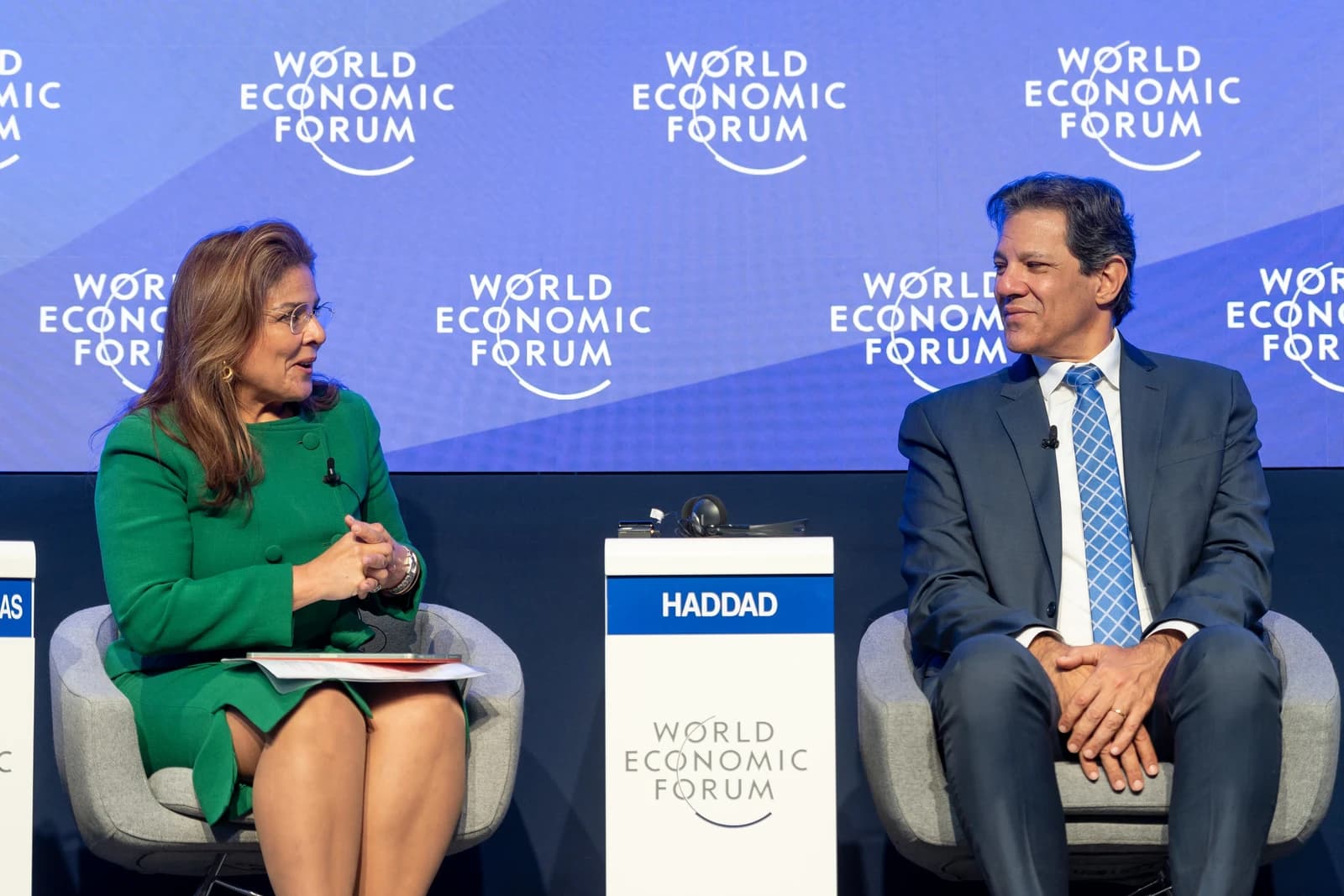
World Bank President Ajay Banga said at the annual meeting in Bangkok that investors from 110 countries helped mobilise private capital last year, with the United States, Britain and India leading the pack. The shift matters because it points to a broader base of funding for infrastructure, energy and development projects as governments face tighter fiscal room and rising demand for capital.
Private capital mobilisation tripled to about $112 billion in the latest fiscal year from roughly $35 billion in fiscal 2022. Combined with the institution’s own financing, total funding topped $230 billion, highlighting how the World Bank is leaning more heavily on private investors to bridge the gap in development spending.
The gains were broad-based across developing markets. Mobilisation nearly tripled in lower-middle-income countries, quadrupled in upper-middle-income economies and more than doubled in Africa, suggesting investors are becoming more willing to back projects outside the richest markets when risk-sharing structures are in place.
Still, the numbers also show the limits of the model. Private capital mobilisation in low-income countries remained around $3 billion, a reminder that the poorest economies still struggle to attract commercial money without stronger guarantees, policy stability or concessional support.
For investors, India’s place near the top of the mobilisation list reinforces its status as a key hub for cross-border capital, with implications for banks, infrastructure financiers and fund managers looking to tap development-linked deals. It also raises expectations that emerging markets with stronger institutions and deeper domestic pools will capture a growing share of global private capital as multilateral finance evolves.
The next test will be whether the World Bank can keep scaling mobilisation without leaving behind the least developed economies, where the need for external funding is greatest and private appetite remains weakest.
| Entity | Gains | Losses |
|---|---|---|
| India | ▲Greater global capital inflows | ▼Less relative scarcity premium |
| World Bank Group | ▲Bigger private funding base | ▼Higher reliance on market appetite |
| Investors in emerging markets | ▲More deal flow | ▼Greater competition for assets |
| Low-income countries | ▲More attention from lenders | ▼Still struggle to جذب private capital |