Minya’s new 3.8 billion-pound financing push is important because it is aimed not at one flagship factory, but at 31,000 small projects that could support about 93,000 jobs — the kind of broad-based lending that can lift local incomes, widen the tax base and keep economic growth from depending too heavily on big-ticket industrial deals.
Minya financing push targets 31,000 small projects

For investors and policymakers, that matters because small-business finance is where growth becomes sticky. When thousands of entrepreneurs can borrow for working capital, tools, retail, transport or light manufacturing, the payoff can ripple through consumption, construction and services. That is especially relevant in a region trying to move beyond scale-driven expansion and toward a more durable growth model built on local suppliers, higher localization rates and stronger value chains.
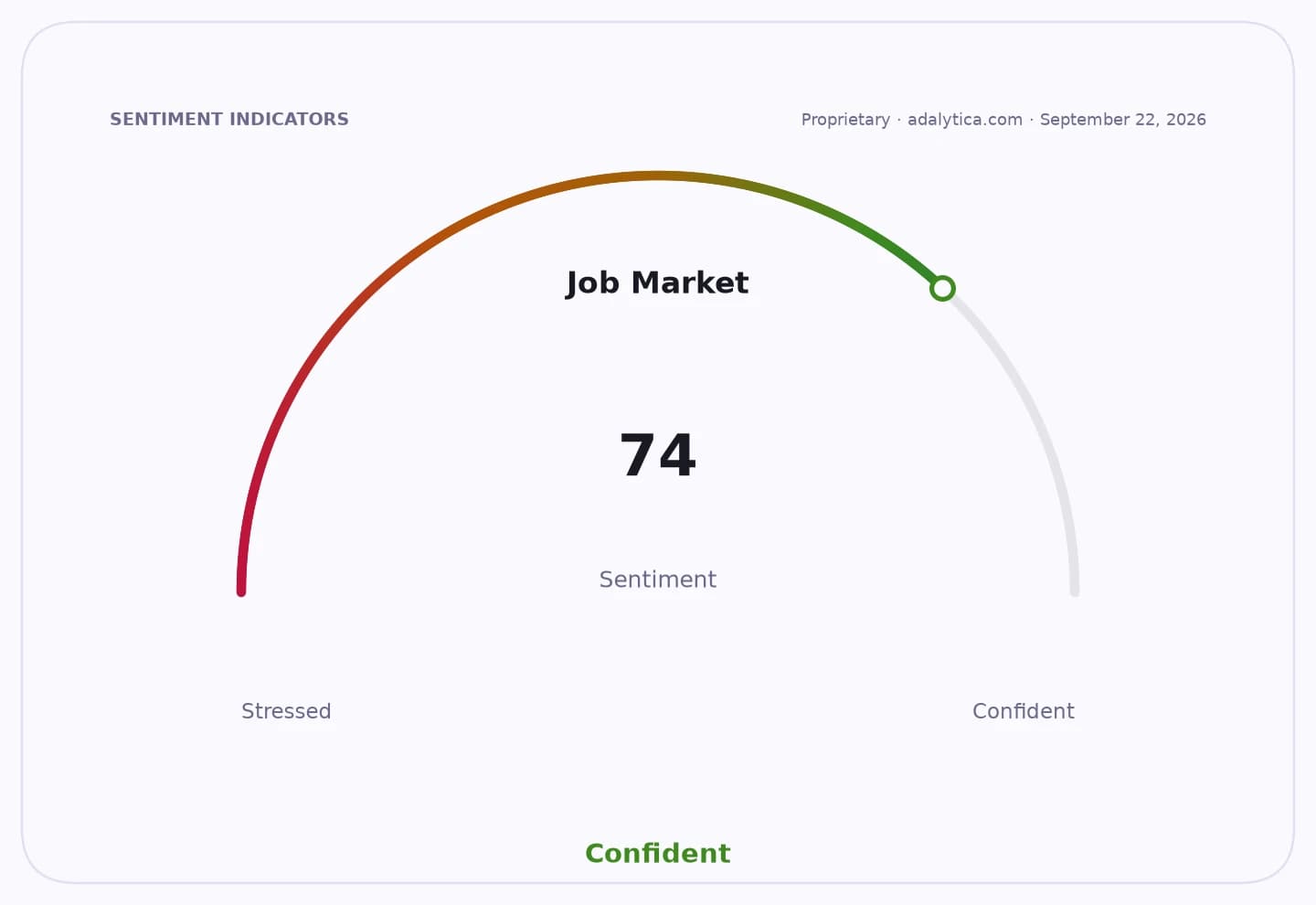
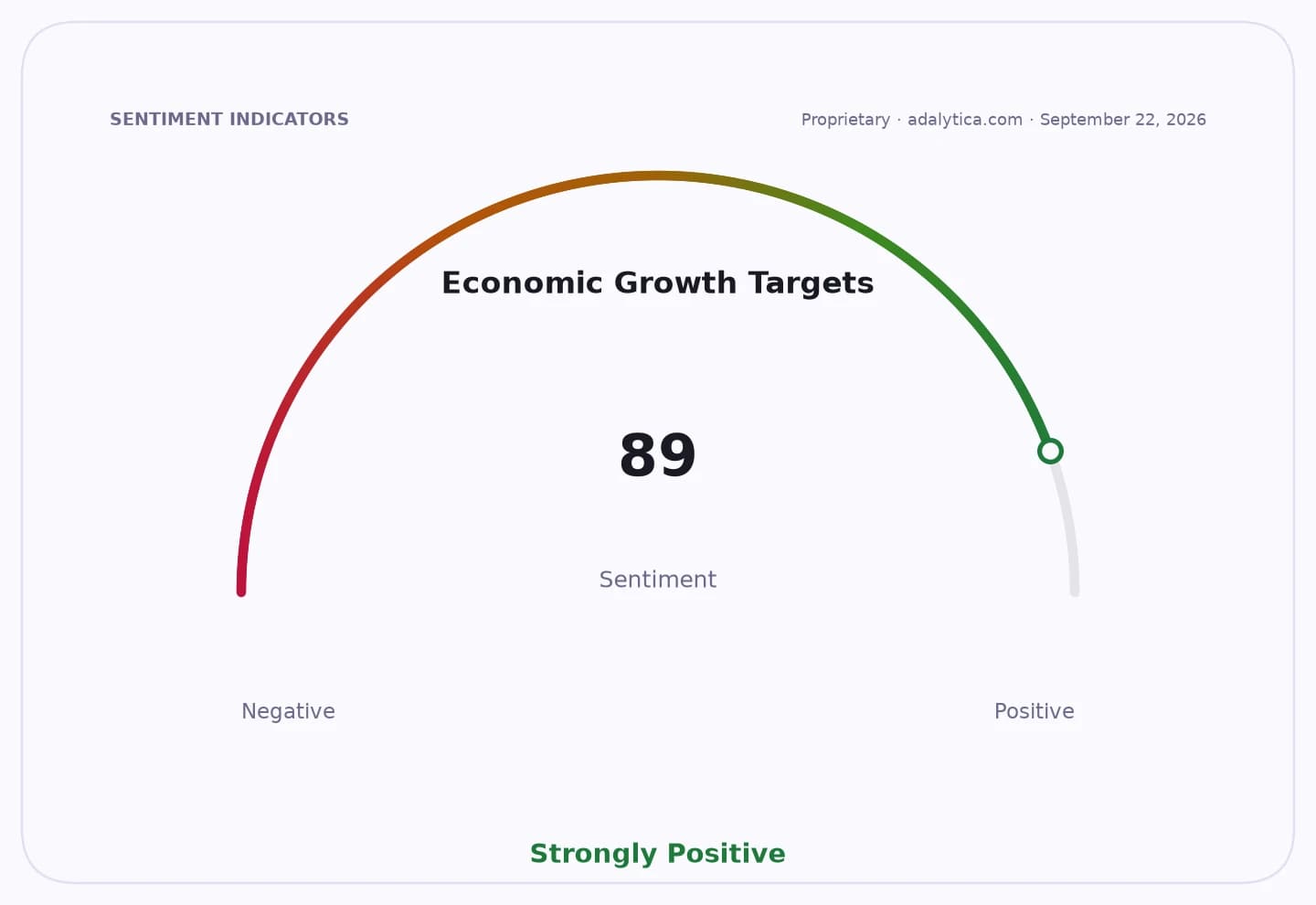
Sentiment IndicatorsⓘProprietary · adalytica.com · September 18, 2026
This is a snapshot — live sentiment, awareness and momentum for 130+ markets update continuously in the dashboard.Open AlphaPulse
The numbers suggest the authorities are thinking in economic multipliers, not just loan volumes. A fund of 3.8 billion pounds spread across 31,000 projects implies relatively small tickets, which is exactly how governments try to seed employment in poorer governorates. If the program works, it can help formalize activity that would otherwise stay in the shadows, improve household cash flow and create demand for banks, microfinance lenders and local contractors. If it stalls, the risk is familiar: cheap credit without enough productivity gains, leaving borrowers vulnerable to inflation, weak sales or repayment stress.
That is why the Minya initiative fits a wider story across Egypt and other emerging markets: growth is increasingly about upgrading the middle of the economy, not just announcing giant projects. Regional development plans that support small and medium-sized enterprises can be more resilient than splashy headline investments because they spread opportunity across thousands of businesses and households.
For long-term investors, the key question is whether this financing translates into sustained job creation and better business formation. If it does, it supports a more balanced domestic economy and a healthier customer base for banks, consumer companies and industrial suppliers. In a volatile macro backdrop, that kind of grassroots growth is exactly the sort of development worth watching.
| Entity | Gains | Losses |
|---|---|---|
| Small businesses in Minya | ▲Cheaper access to capital | ▼Financing gaps narrow |
| Local workers and households | ▲More job opportunities | ▼Dependence on informal work falls |
| Egyptian banks and lenders | ▲New loan growth | ▼Higher credit risk if projects fail |
| Large flagship projects | ▲Less policy attention | ▼Share of development funding shrinks |