Unsko-sanski kanton is widening its push to formalise micro-business formation, after the economy ministry said 173 newly registered small businesses will share 1.55 million KM in incentive funds under a programme originally budgeted for just 98 projects.
USK funds 173 small businesses with 1.55m KM
The decision matters because it turns a modest grant scheme into a broader labour-market and investment policy. In a region where small firms are often the fastest route into self-employment, the extra funding reduces the chance that promising start-ups are left unfunded at the very point they are trying to hire, buy equipment or cover initial operating costs.
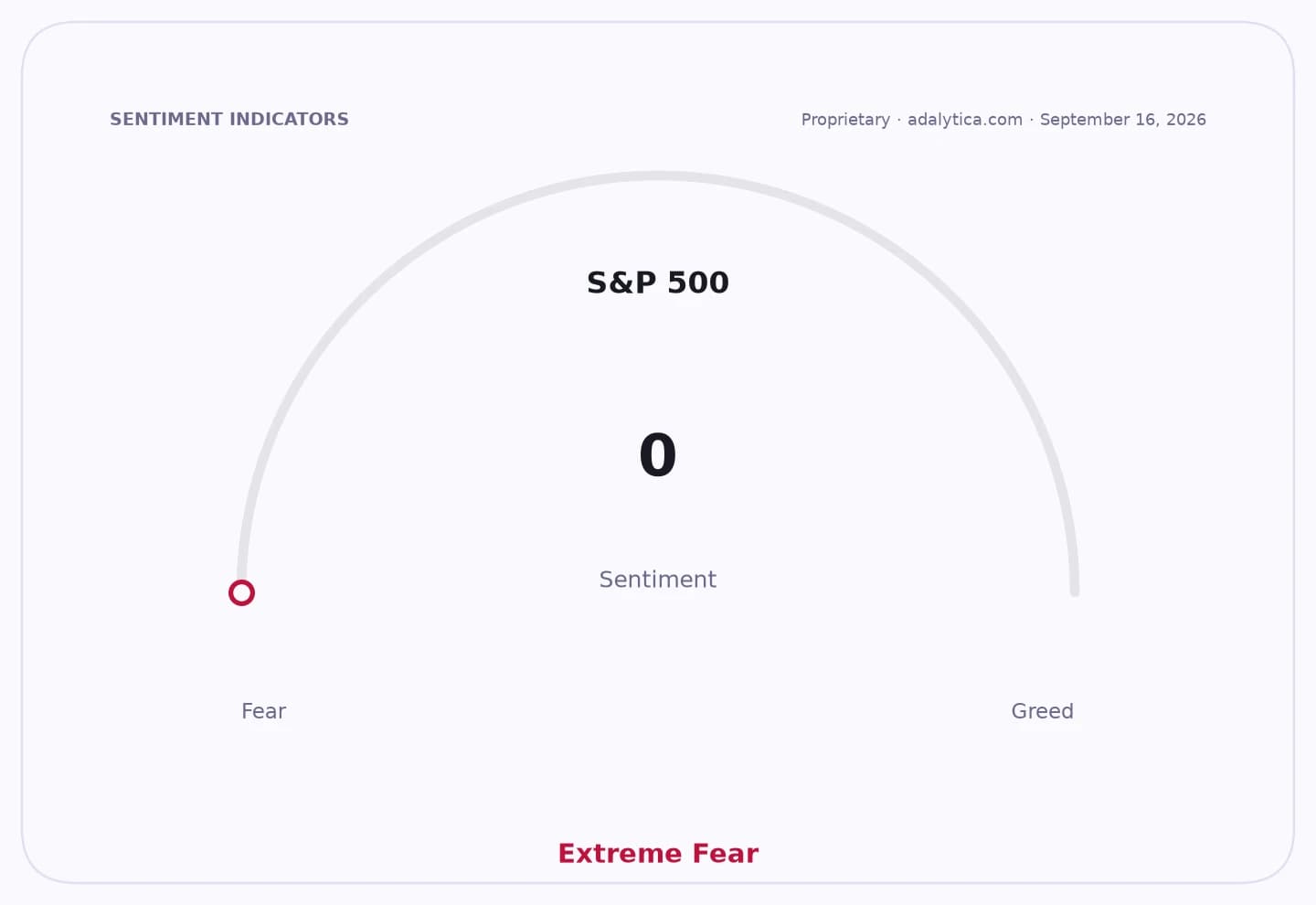
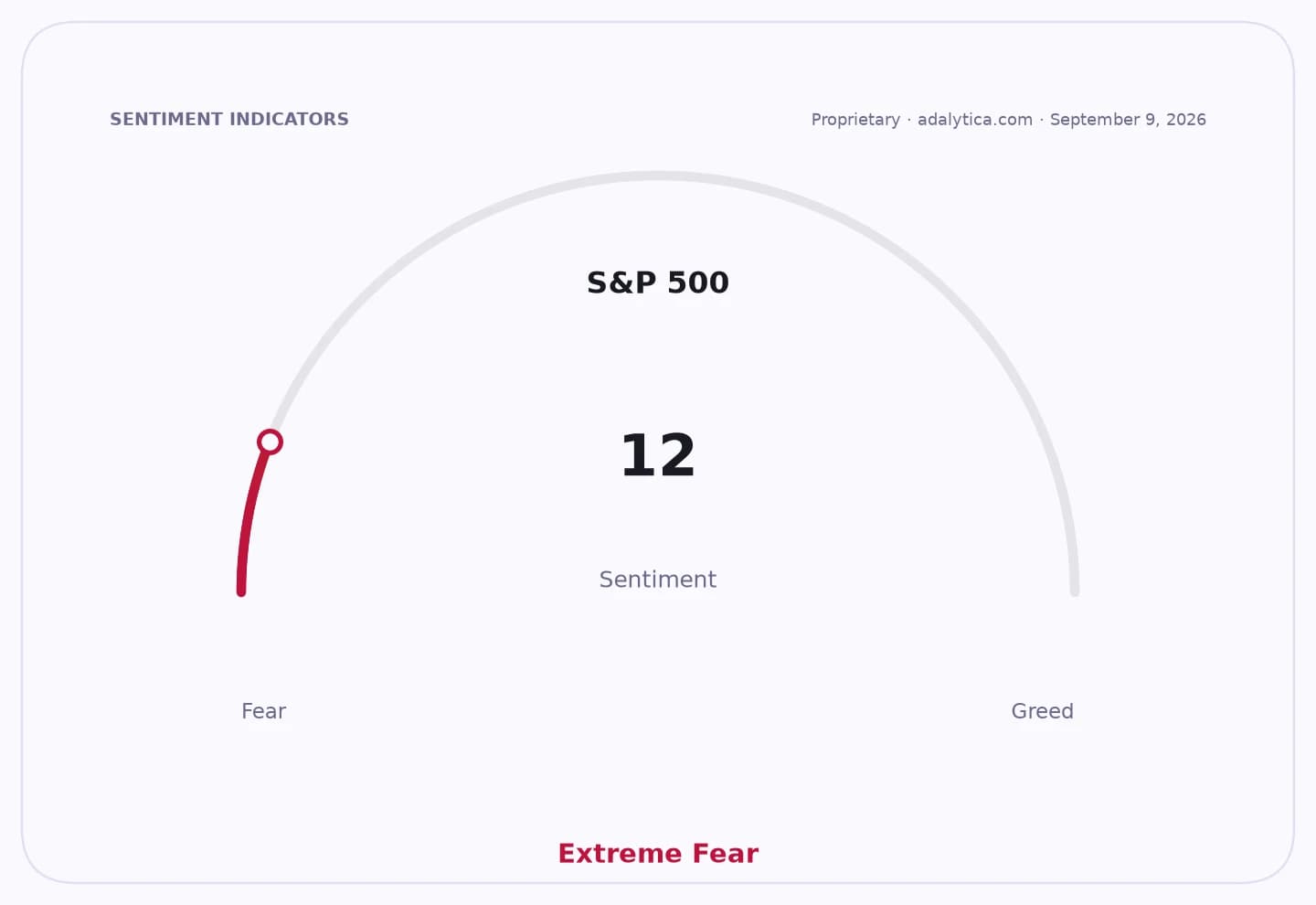
Sentiment IndicatorsⓘProprietary · adalytica.com · September 19, 2026
This is a snapshot — live sentiment, awareness and momentum for 130+ markets update continuously in the dashboard.Open AlphaPulse
Ministry officials said the government found an additional 550,000 KM to cover all applicants who met the criteria, lifting support from the originally planned 98 projects to all 173 eligible businesses. The canton also increased the overall 2026 incentive envelope to about 8 million KM, up from 6 million KM planned in the budget, through internal reallocation.
That is a meaningful signal for local entrepreneurs and for the broader economy in USK. The programme is no longer being treated as a symbolic subsidy, but as a policy tool that is being scaled up to absorb demand. For a canton with persistent pressure to create jobs outside the public sector, direct support for new firms can help broaden the tax base, keep younger workers in the region and encourage returnees from the diaspora to invest locally.
Officials said the new law on small-business development, adopted this year, now requires at least 2% of realised budget revenues to be channelled back into the private sector through different support measures. That gives the programme a firmer fiscal foundation than ad hoc annual grants and could make funding more predictable for applicants in coming years.
The political case is straightforward: a system that funds more entrepreneurs, especially young people and returnees, is easier to defend than one that leaves a long list of eligible applicants behind. The economic case is less certain. Small start-ups tend to have high failure rates, so the payoff will depend on whether the grants translate into durable businesses, not just registrations. But the canton’s willingness to top up the programme suggests policymakers view the near-term cost as acceptable compared with the cost of lost job creation.
For investors and lenders, the move matters mainly as a sign of policy continuity and local demand support. A more predictable incentive regime can improve the chances that micro and small firms reach the stage where they can seek bank credit, lease space and build supplier relationships. It also points to a deeper public-sector commitment to private-sector formation at a time when regional growth is increasingly tied to small business expansion rather than large industrial anchors.
The key test now is execution. If the 173 funded projects begin operations on schedule and the law’s 2% funding floor is enforced in future budgets, USK could build one of the more structured small-business support frameworks in Bosnia and Herzegovina. If not, the increase may prove to be a one-off fiscal gesture rather than a durable engine of entrepreneurship.
| Entity | Gains | Losses |
|---|---|---|
| New USK businesses | ▲Seed funding and startup support | ▼Funding gap risk reduced |
| Unsko-sanski kanton government | ▲More jobs and tax base | ▼Short-term budget flexibility |
| Young entrepreneurs / returnees | ▲Easier self-employment entry | ▼Dependence on grant execution |
| Unfunded applicants in other schemes | ▲— | ▼Relative priority and access |