Kaufland says it paid more than 3 billion euros to Romanian suppliers, underscoring how a single large retailer can act as a major transmission channel for cash into local industry, farming, logistics and services.
Kaufland's Romanian Sourcing Boosts Local Economy
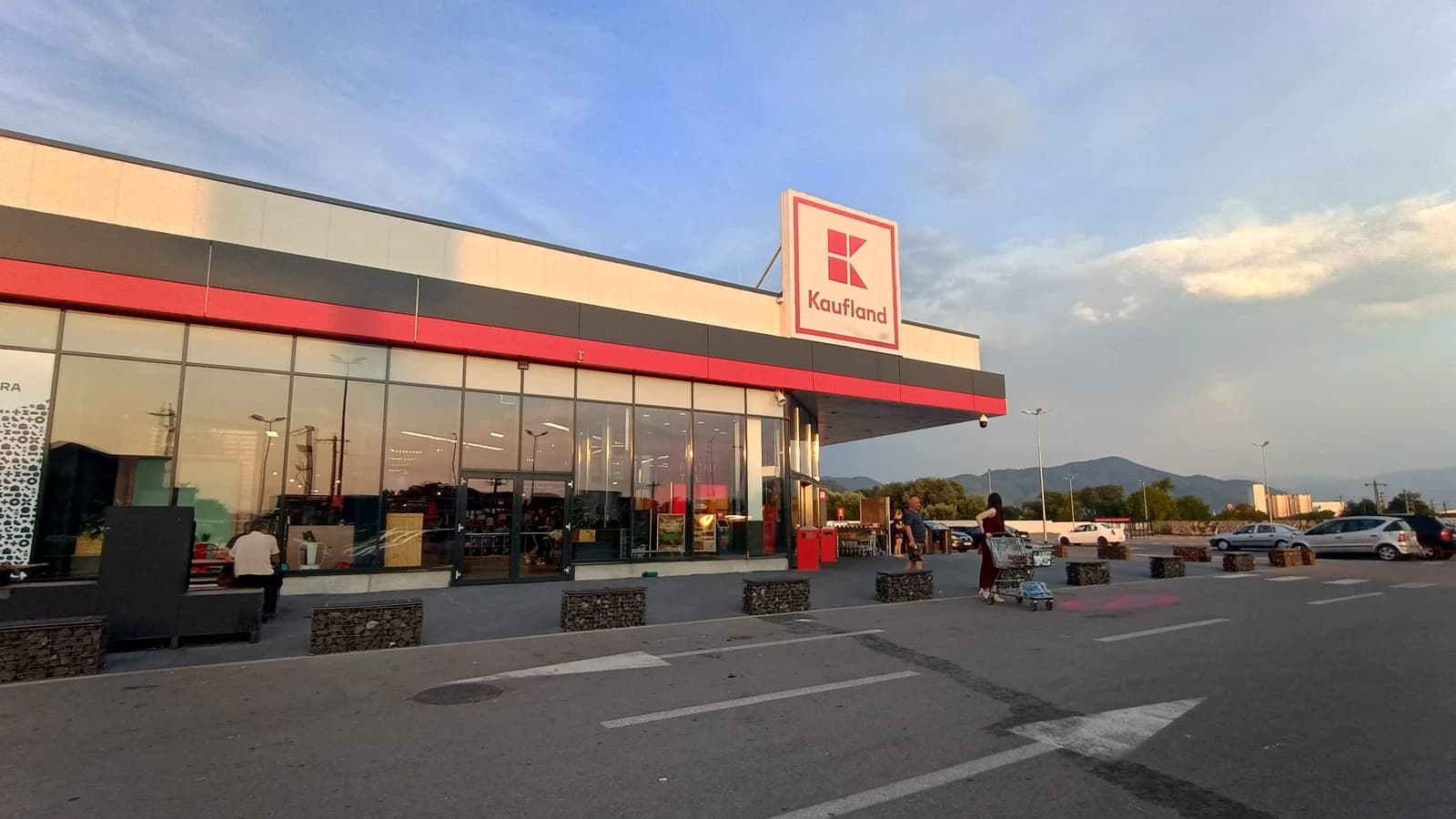
The number matters because it is not just a procurement figure; it is a measure of how deeply the German-owned chain is embedded in Romania’s domestic economy. For suppliers, that revenue supports payrolls, investment and working capital at a time when regional manufacturers and logistics providers remain exposed to cost pressure, supply-chain disruptions and uneven demand.
For investors, the takeaway is that Kaufland’s scale in Romania is a competitive advantage and a policy-sensitive one. A retailer that can source so much locally may be better positioned on prices, availability and margins, but it is also tied to the health of domestic production and consumer spending, making supplier resilience central to the business model.
The story fits a broader European retail trend: large chains are leaning harder on local procurement to blunt inflation, shorten supply lines and reduce exposure to external shocks. That can stabilize output for Romanian vendors, while also strengthening the retailer’s negotiation power and keeping more of the value chain inside the country.
The question now is whether those supplier flows can keep growing if consumers stay cautious and input costs remain volatile. For shareholders and suppliers alike, the next test will be whether local sourcing continues to translate into sales growth, margin stability and fresh investment across the Romanian economy.
| Entity | Gains | Losses |
|---|---|---|
| Romanian suppliers | ▲Steady orders and cash flow | ▼Dependence on one large buyer |
| Kaufland | ▲Stronger local sourcing and supply security | ▼Exposure to domestic cost inflation |
| Romanian economy | ▲More payrolls and investment | ▼Higher reliance on retail-led demand |
| Competitors/importers | ▲Less advantage on local supply | ▼Share and margin pressure |