Kazakhstan is trying to turn its energy wealth into a regional artificial intelligence business, and the stakes are bigger than one country’s digital upgrade. The government has now lined up preliminary agreements for as much as 620 megawatts of extra computing capacity at its Data Center Valley project, a scale that could make the Central Asian state a serious player in Europe-Asia AI infrastructure if it can keep the power on, the water flowing and the projects moving on schedule.
Kazakhstan Data Center Valley Adds 620 MW AI Capacity
That matters because AI is becoming a capital-intensive race to secure electricity, cooling and land before the next wave of demand hits. Kazakhstan has abundant energy resources and a strategic location between major markets, which makes it attractive to chipmakers, cloud operators and data center investors looking beyond congested Western hubs. Nvidia co-founder Jensen Huang has already described the country as a future computing center and “AI factory for all of Europe,” a flattering endorsement that also highlights the real prize: not just hosting foreign servers, but building domestic capabilities that can produce value locally.
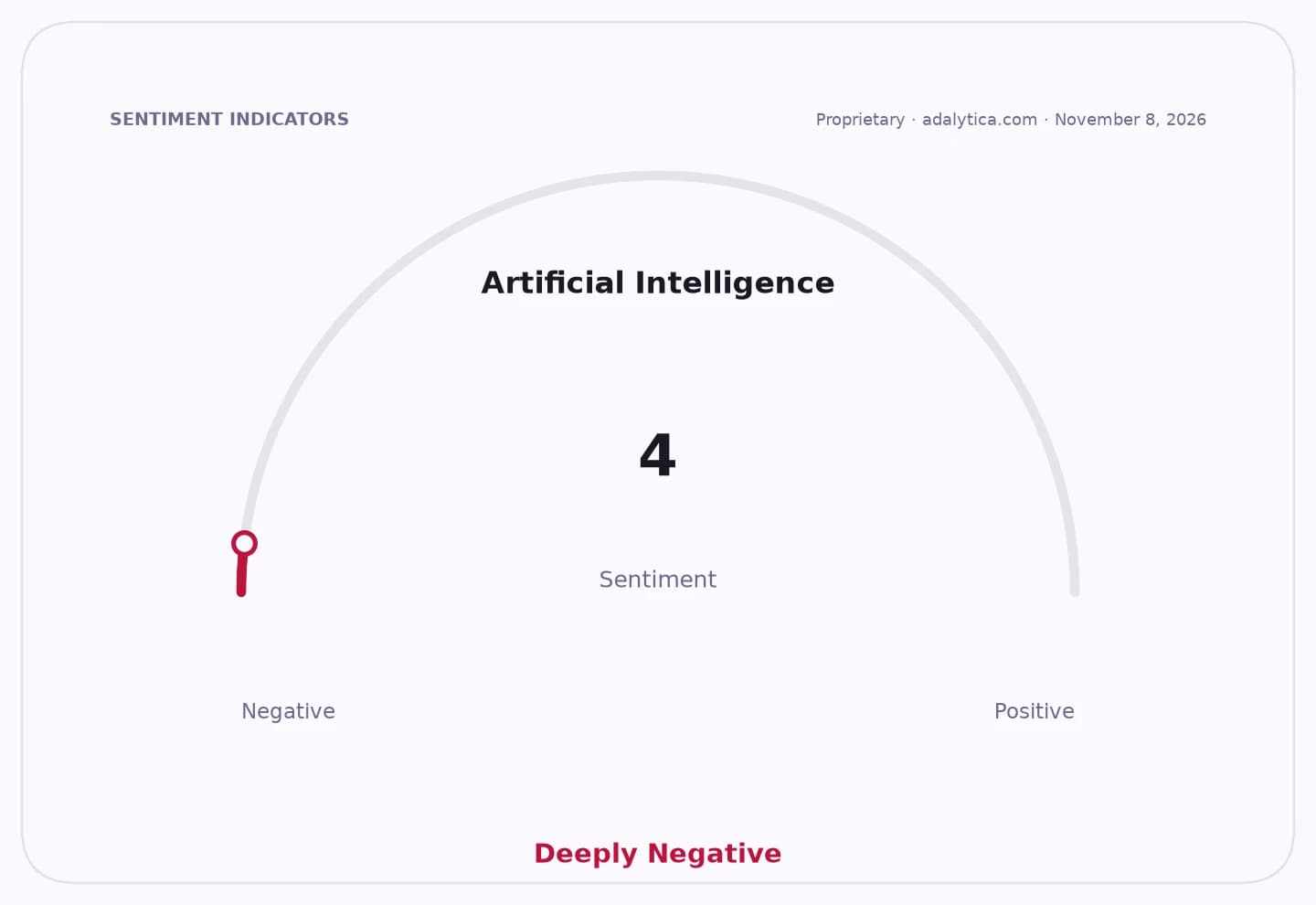
Sentiment Indicators
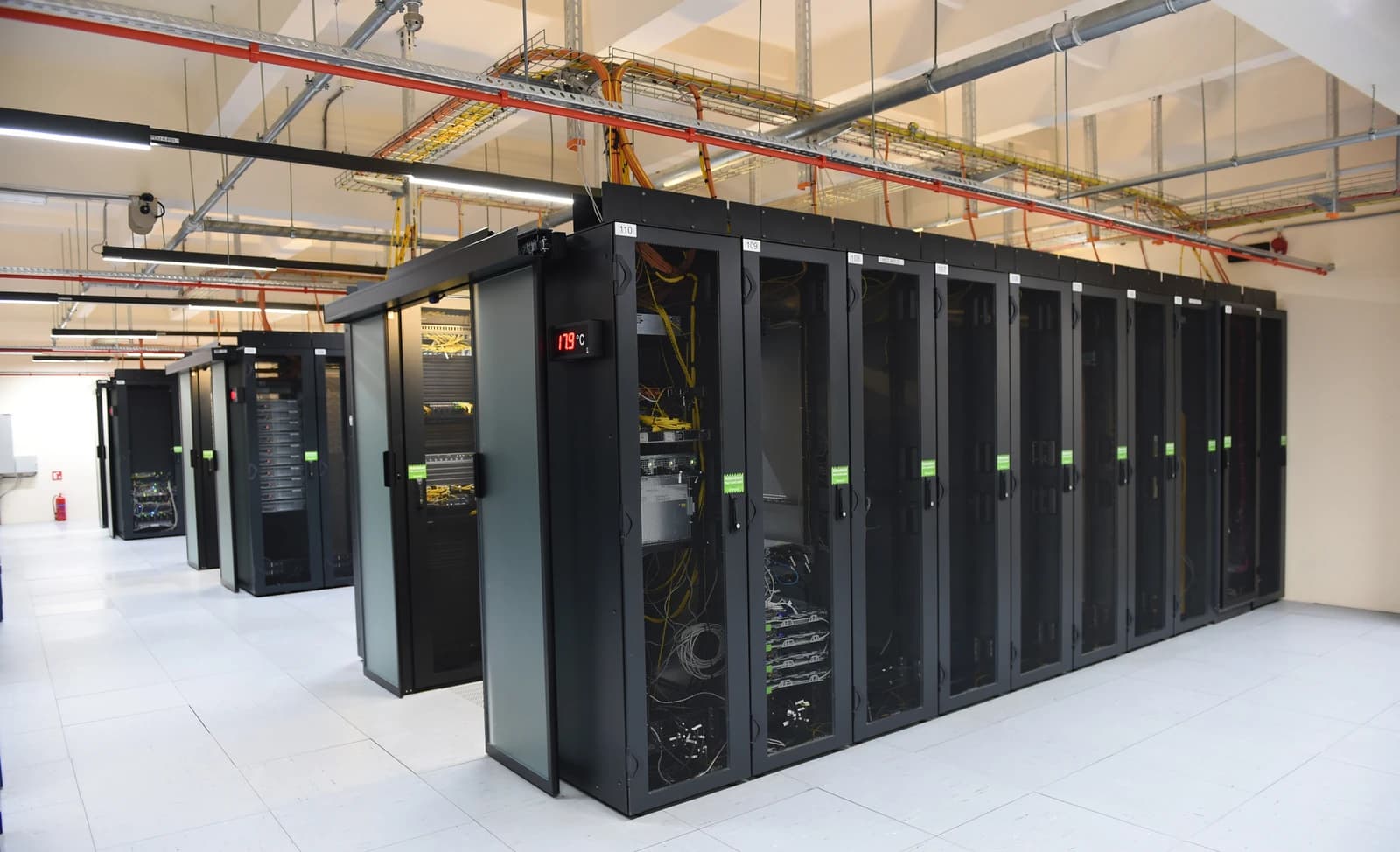
The second phase of Data Center Valley, in the Pavlodar region, is tied to preliminary agreements with Gaw Capital, Boosteroid and Firebird for 480 megawatts, with room to expand to 620 megawatts. Commercial operations in the project’s first phase are expected in the third quarter of 2027. For investors, the sheer size of the planned buildout is important because it signals that Kazakhstan wants to move from niche digital ambition to industrial-scale infrastructure. If successful, the country could capture recurring revenue from power, connectivity and data services rather than relying only on commodity exports.
But the opportunity comes with a familiar constraint in emerging-market industrial policy: resources are not unlimited. The same push to expand mineral processing, heavy industry and data infrastructure is running into questions about water supply, especially in regions already under strain from irrigation needs. That is not a side issue. Data centers require stable cooling systems, and mineral processing plants can be among the most water-intensive industrial projects. If Kazakhstan cannot balance industrial growth with water management, the economics of its AI push could weaken fast.
The broader investment case is straightforward. Kazakhstan is trying to use its energy base to climb higher up the value chain, and that is exactly the kind of transition long-term investors should watch. The upside is durable if the country can pair cheap power with policy stability, modern infrastructure and a local technology ecosystem. The risk is equally clear: without domestic innovation, reliable utilities and careful resource planning, Kazakhstan could end up hosting expensive foreign hardware without keeping much of the profit. For now, the project is worth watching as a potential early-stage beneficiary of the global AI buildout, but patience will matter.
| Entity | Gains | Losses |
|---|---|---|
| Kazakhstan | ▲AI investment, higher-value industry | ▼Water and power strain |
| Data center investors | ▲Low-cost capacity access | ▼Project and utility risk |
| Local communities | ▲Jobs and infrastructure | ▼Freshwater competition |
| Foreign tech firms | ▲New regional hub | ▼Limited if domestic ecosystem lags |