Kazakhstan is trying to turn a political slogan into industrial policy, and Nvidia’s Jensen Huang says that makes it an early test case for how smaller economies can build an AI-driven growth model.
Kazakhstan AI Push Draws Nvidia Attention
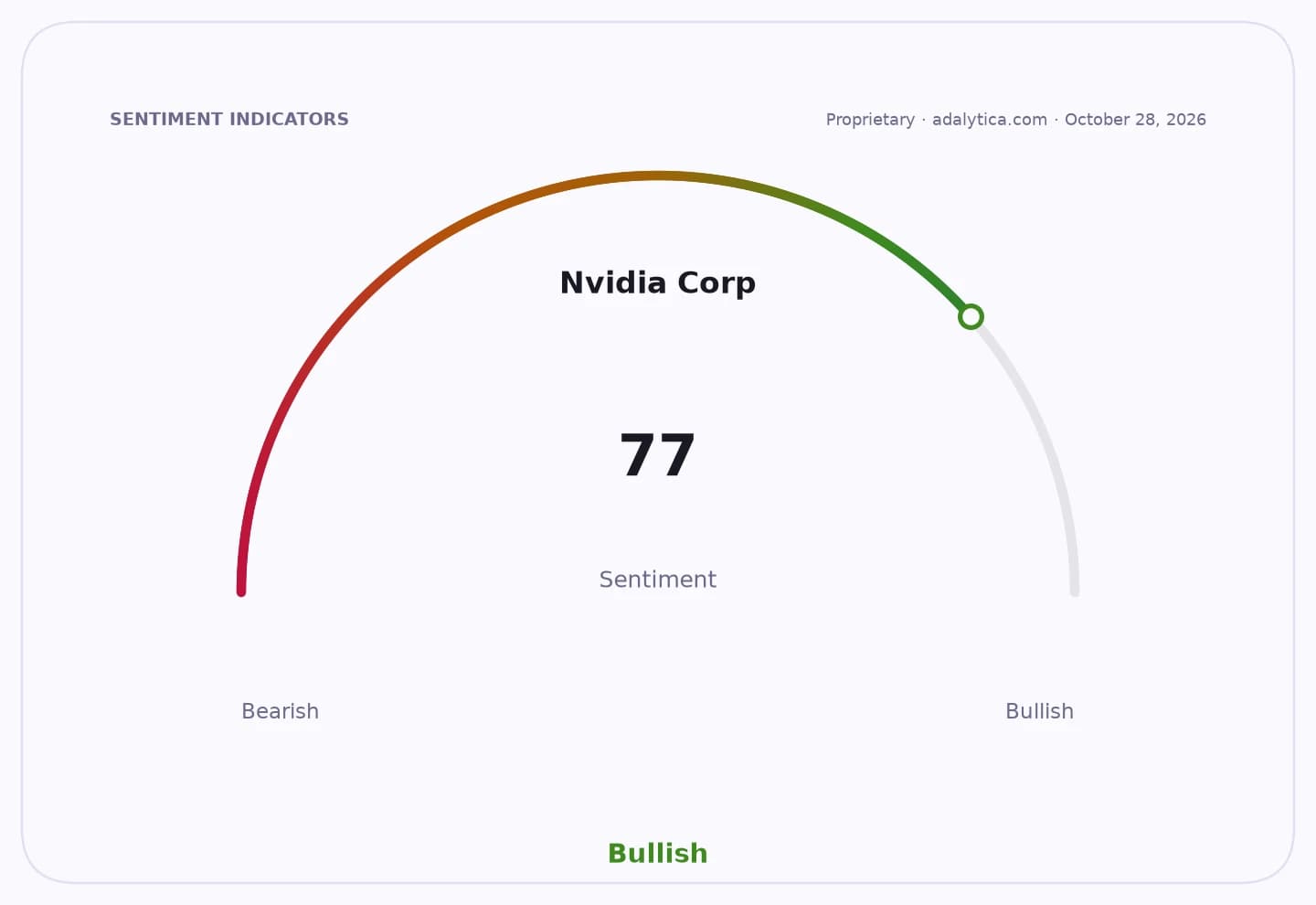
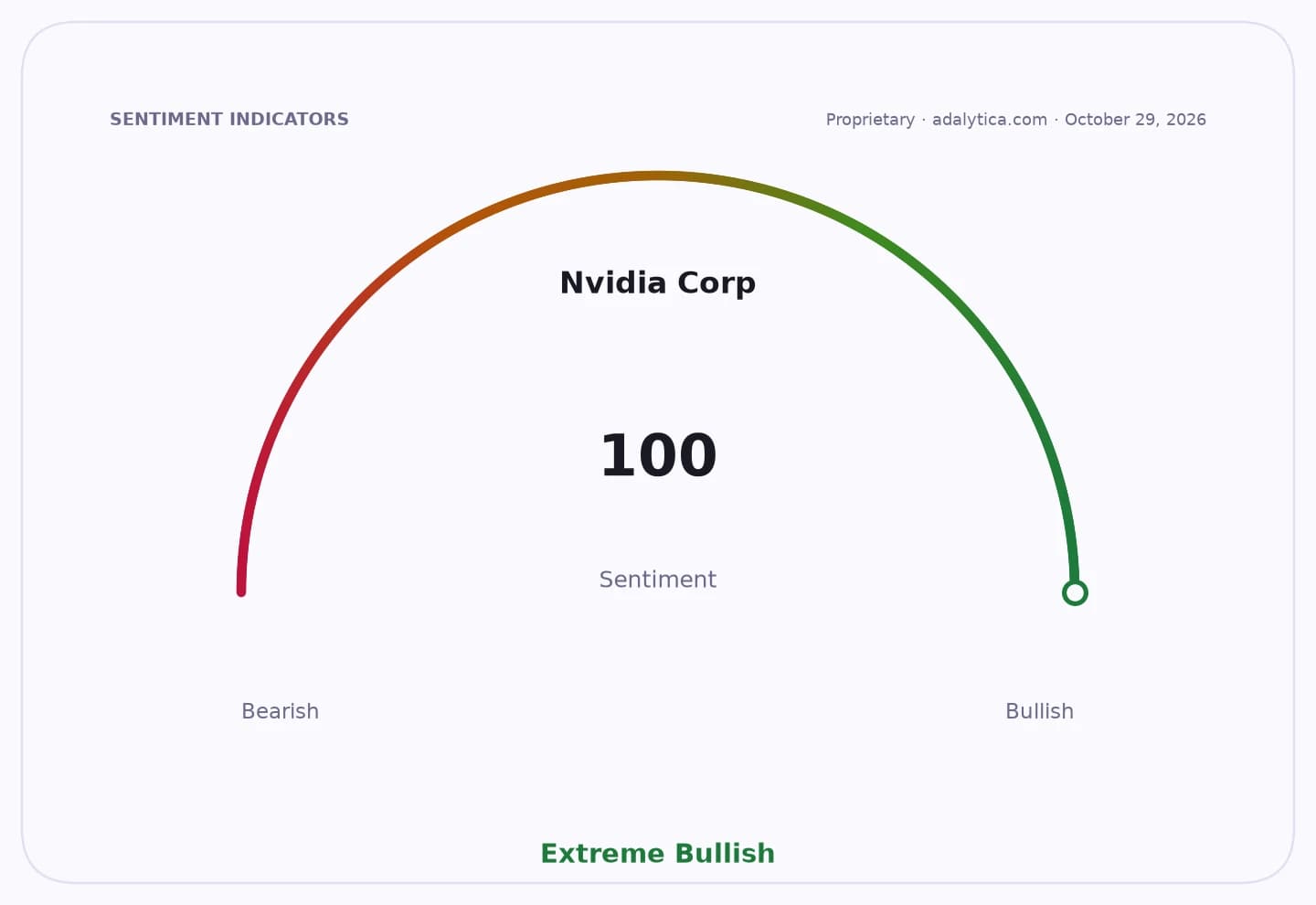
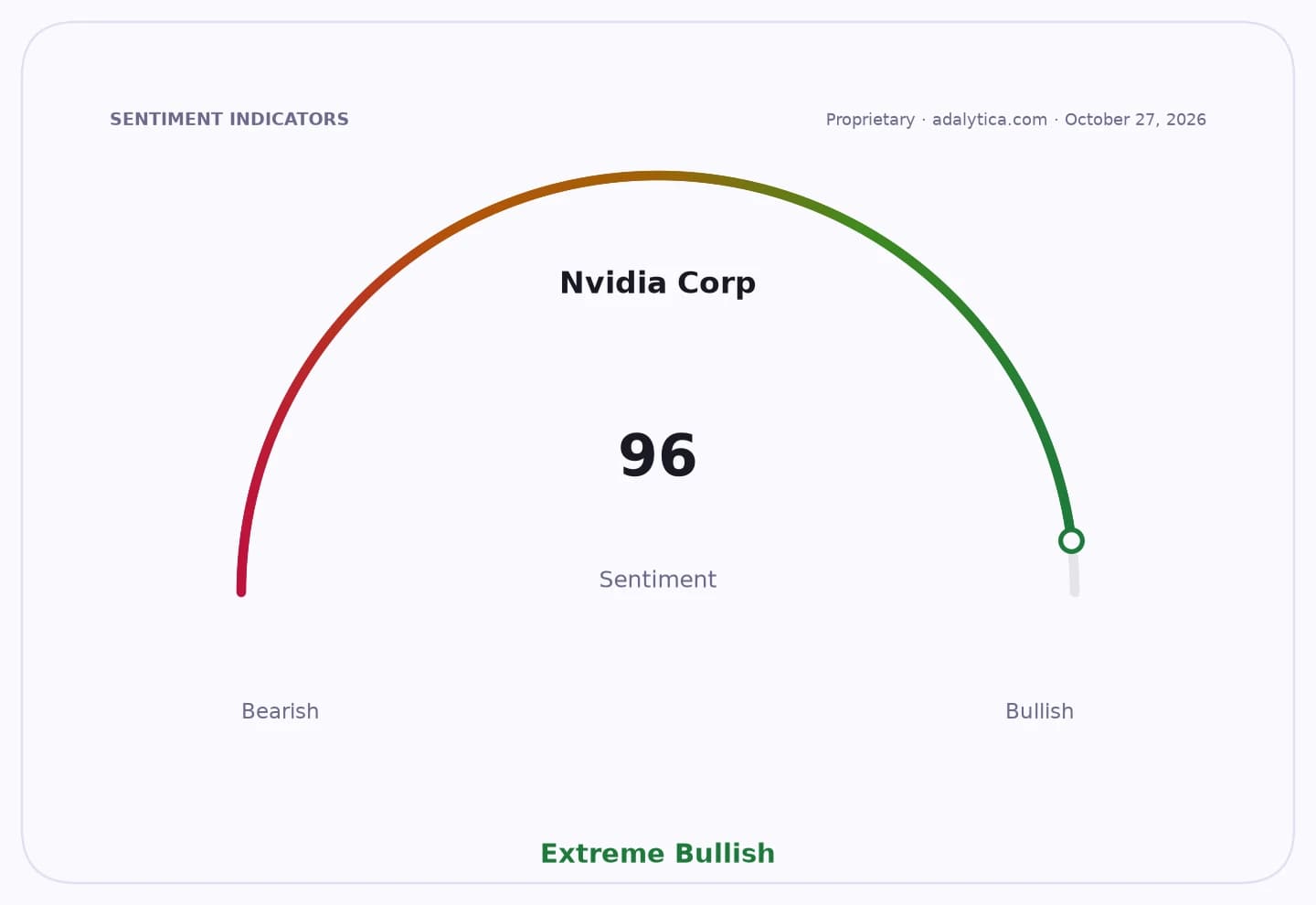
Nvidia Corp
Huang said in Astana that Kazakhstan was the first country he had visited where the president declared artificial intelligence a national priority, a signal that matters because AI investment is shifting from hype to state-backed infrastructure, regulation and skills. For investors, that raises the relevance of Kazakhstan not just as a frontier market, but as a potential regional node for compute, software adoption and AI-enabled services.
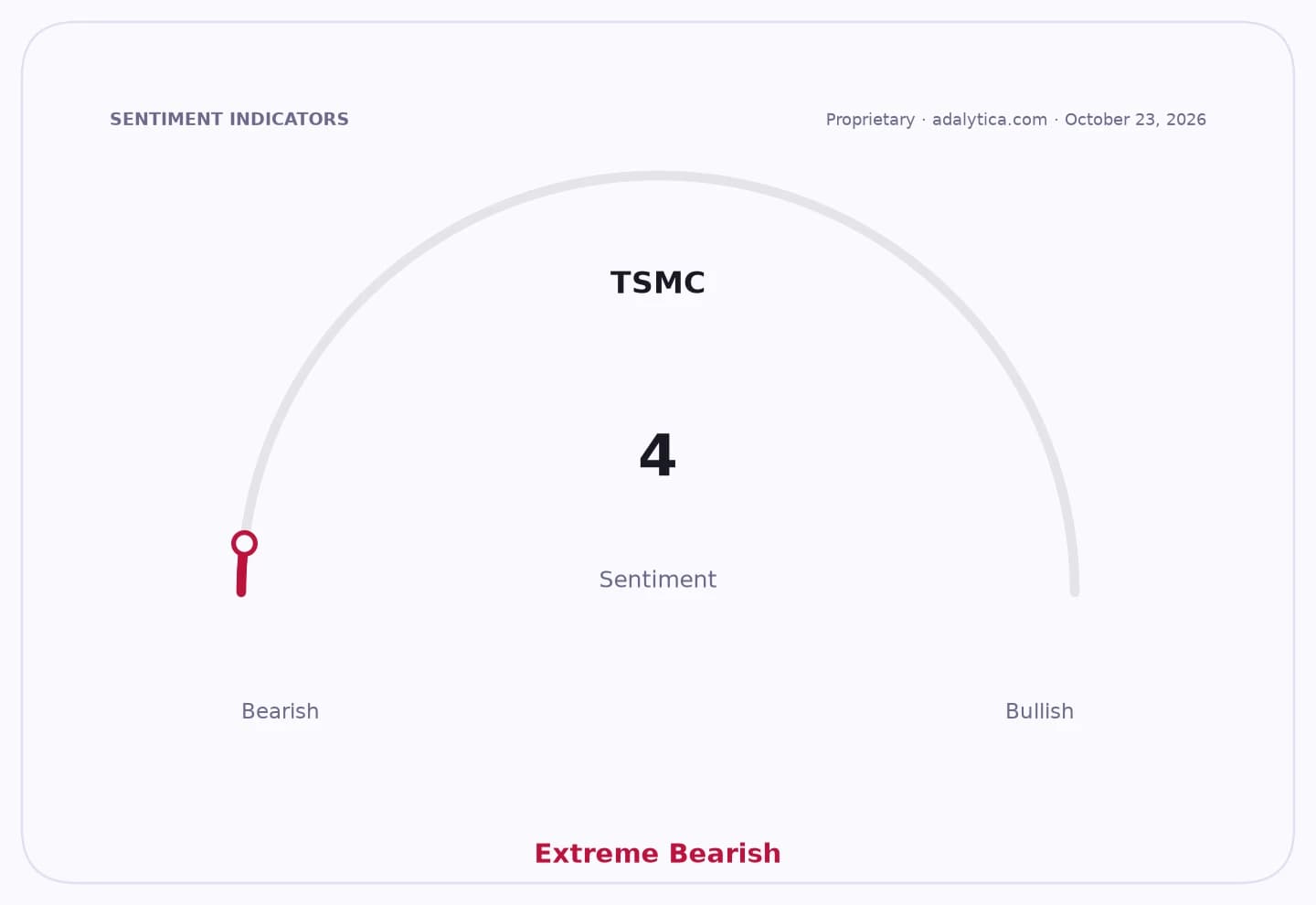
Sentiment Indicators
The Nvidia chief’s comments at Alem.ai underline the country’s effort to position itself as a Central Asian AI hub. Kazakhstan has been working on an AI cluster and has been widening cooperation with global technology firms, including Nvidia and partners such as Freedom and Citi, while also talking about AI use across agriculture, cities and public finance. That combination matters economically: if public policy pushes AI adoption in government and enterprise, it can lift productivity, support domestic startups and create demand for imported chips, cloud services and data-center capacity.
The visit also carries some market significance for Nvidia. The company is increasingly dependent on overseas demand for its AI stack as hyperscalers in the U.S. and elsewhere continue to absorb much of the world’s supply. Any new market that actively courts Nvidia’s technology helps diversify the customer base, even if Kazakhstan is small in absolute revenue terms. Nvidia has already disclosed that its commitments, typically running six years, totaled $36 billion as of late July, while also warning that expanding power, land and supply-chain capacity remains a complex, multi-year process.
That backdrop makes Kazakhstan more interesting than a symbolic stop on a global tour. The country’s push is taking place while the broader AI trade is under pressure from valuation questions and uneven sentiment. Nvidia shares have fallen to $206.79, below the 50-day moving average of $221.73 and the 200-day average of $204.10, with RSI readings at 32.2 pointing to an oversold setup rather than a clean trend reversal. Microsoft and Taiwan Semiconductor Manufacturing also have seen recent volatility, showing that the AI theme remains exposed to execution risk, capital-spending timing and investor fatigue.
There is also a geopolitical edge. Nvidia has faced tighter U.S. export controls on advanced chips, which could limit some market access and make new jurisdictions that welcome AI investment more valuable strategically. For Kazakhstan, that creates an opening to attract technology partnerships, while for Nvidia it offers another route to keep growth broad-based as the company navigates restrictions, supply constraints and uneven demand across regions.
The bull case is that Kazakhstan’s state-led approach can accelerate AI adoption faster than in more fragmented markets, creating an early ecosystem advantage in Central Asia. The bear case is that policy ambition outpaces the practical realities of power, infrastructure, talent and capital, limiting the commercial payoff. Investors should watch whether the country can convert presidential backing into deployments, partnerships and spending, because the real test will be whether AI becomes an economic engine rather than a diplomatic talking point.
| Entity | Gains | Losses |
|---|---|---|
| Kazakhstan government | ▲Regional AI hub status | ▼Policy credibility if execution lags |
| Nvidia | ▲New overseas demand | ▼Focus on constrained supply/capex |
| Local startups and firms | ▲Access to AI tools | ▼Dependence on foreign technology |
| Incumbent sectors | ▲Productivity gains | ▼Legacy workflows and margins |