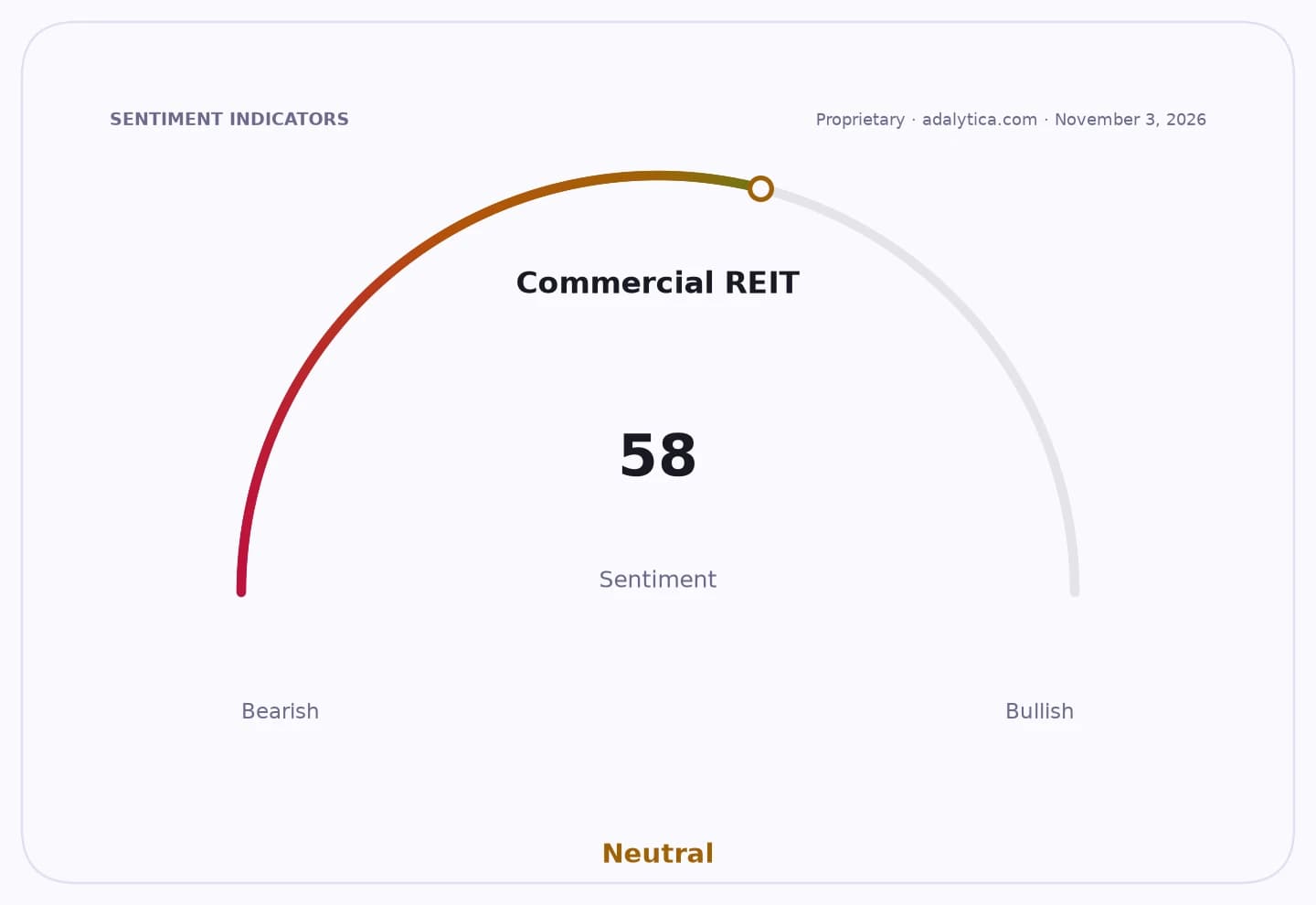
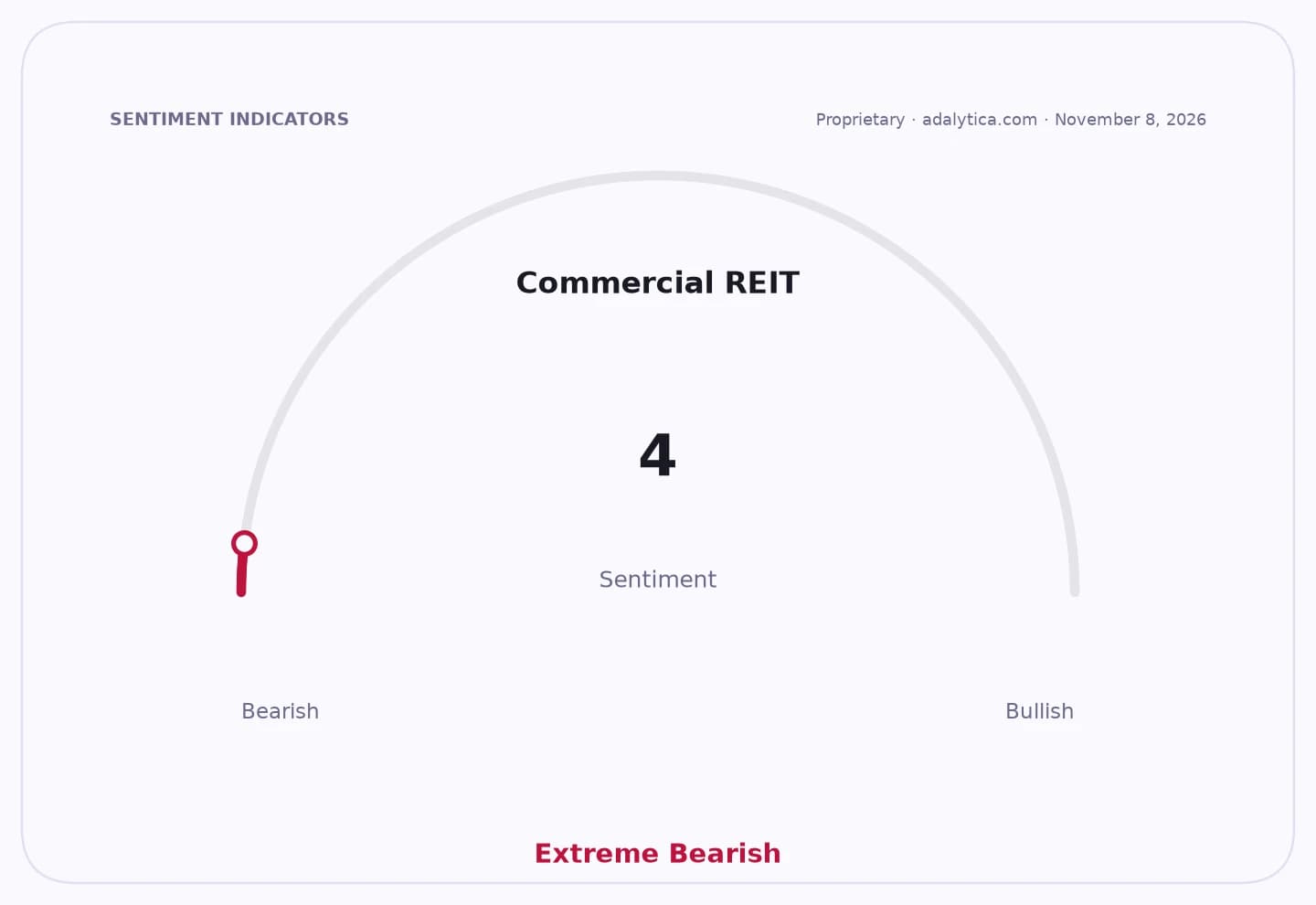
KBS Real Estate Investment Trust III has bought itself only weeks, not a solution, after extending two office loans totaling more than $455 million, underscoring how hard it remains for landlords to refinance large U.S. office properties even as rates and credit conditions fluctuate.
KBS REIT III Extends Office Loans
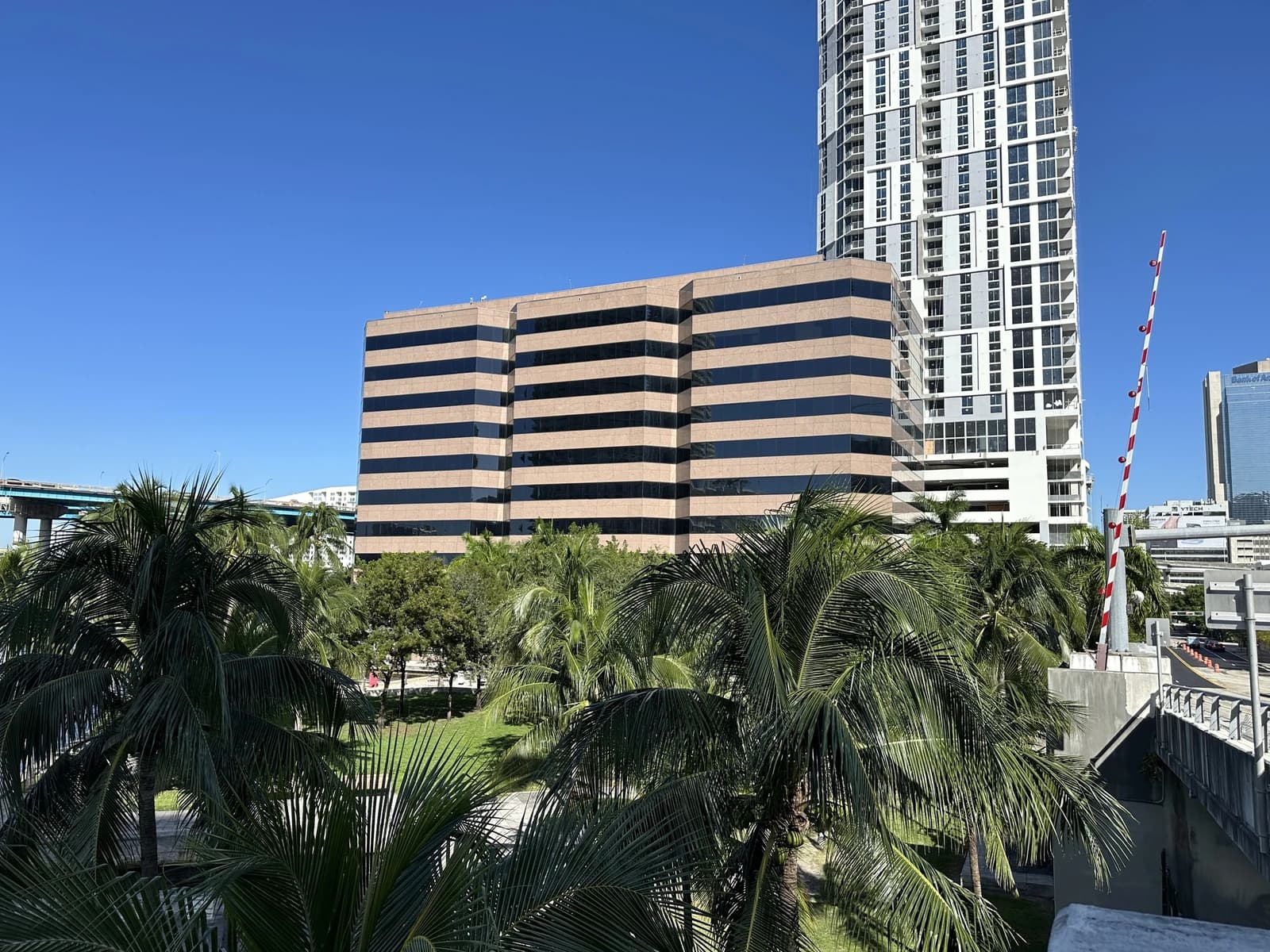
The California-based nontraded REIT said in a Securities and Exchange Commission filing it pushed maturities on debt tied to Chicago’s Accenture Tower and two Arlington, Virginia office buildings into December and January, giving it more time to line up new financing. If it cannot repay or refinance, the company said it may hand the properties back to lenders or seek bankruptcy court protection to restructure.
Sentiment Indicators
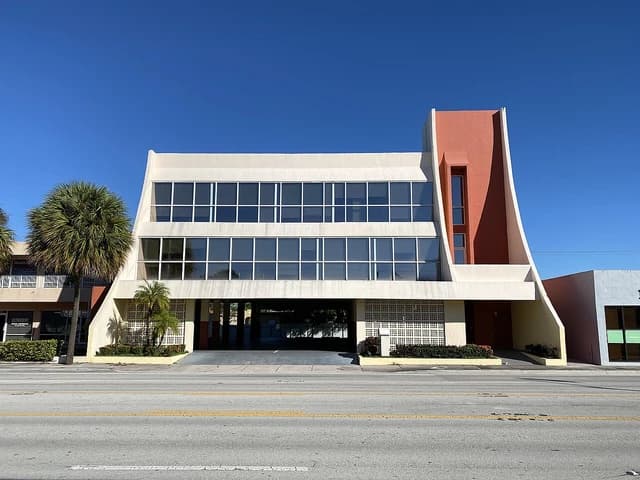
The reprieve matters because the extensions do not remove the underlying problem: a weak office market, scarce transaction volume and a still-expensive debt backdrop that have left many owners with few workable exit routes. KBS REIT III itself said management’s plans may not be “probable” enough to remove substantial doubt about its ability to continue as a going concern over the next year.
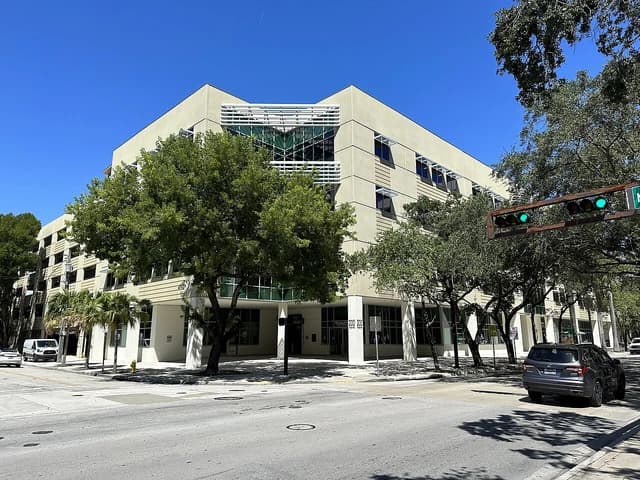
That warning is especially significant for investors because the debt stack is concentrated in assets that are large, illiquid and difficult to sell quickly. The $317.4 million loan on the 1.5 million-square-foot Accenture Tower has already been modified multiple times, and the latest amendment only delayed maturity to Dec. 17, with an additional extension available through November next year if KBS REIT III pays a $400,000 fee and meets conditions. The Arlington mortgage, at $137.8 million, was extended to Jan. 20 but carries no further option, leaving Bank of America able to accelerate default if it sees refinancing as implausible.
The broader backdrop remains hostile. Treasury yields have stayed elevated, keeping financing costs high, while commercial mortgage investors are still demanding more caution on office exposure. KBS REIT III cited both upcoming maturities and “challenging environments” in commercial real estate lending and office transactions, language that has become familiar across the sector as owners struggle to bridge the gap between property values and loan balances.
For shareholders, the issue is not just whether KBS can secure new debt, but on what terms and whether any refinancing will come with fresh equity dilution or asset sales. The company said it had tried to sell the buildings earlier this year, suggesting the lender-extension route may be a stopgap while management searches for a buyer or a lender willing to refinance into a still-stressed market.
The next few months will determine whether the extensions buy KBS REIT III time to stabilize its balance sheet or merely delay a broader restructuring. If refinancing fails, the likely outcomes would be forced asset transfers, a court process or both — outcomes that would be painful for equity holders but may preserve more value for lenders and other creditors.
| Entity | Gains | Losses |
|---|---|---|
| KBS REIT III | ▲extra time to refinance | ▼continued going-concern pressure |
| Lenders | ▲fee income and negotiation leverage | ▼risk of delayed recovery |
| Equity holders | ▲chance to avoid immediate default | ▼dilution or wipeout risk |
| Office market peers | ▲fewer near-term forced sales | ▼more evidence of sector stress |