Kenya has borrowed through ten new facilities in just five months, underscoring how fast the government is relying on commercial lenders, multilaterals and the international bond market to keep financing gaps covered as it approaches its Sh9 trillion debt ceiling.
Kenya borrows through 10 new facilities in 5 months

The pace of borrowing matters because it points to a state financing model that is becoming increasingly dependent on external and market-based funding just as debt service burdens remain heavy and fiscal room narrows. For investors, the key question is not whether Kenya can still access money — it clearly can — but at what cost, and how much additional pressure the borrowing spree places on future budgets, refinancing risk and the shilling.
Sentiment Indicators
The new loans span commercial banks, multilateral institutions and sovereign bond markets, according to the data. That mix suggests Treasury is trying to diversify funding sources and avoid a hard stop at the statutory ceiling, but it also highlights the limits of domestic financing capacity. Once a government gets close to a debt cap, every additional loan raises scrutiny over whether it is funding productive investment or simply rolling over obligations and plugging recurrent spending gaps.
The backdrop is a sovereign that has spent years leaning on debt markets to finance deficits, infrastructure and maturing obligations. Kenya’s public debt stock has already forced repeated debates over fiscal consolidation, revenue collection and whether the ceiling itself is still a useful constraint when borrowing needs continue to outrun policy ambitions. Crossing or even testing that line can unsettle creditors if it is seen as a sign that fiscal adjustment is lagging behind financing requirements.
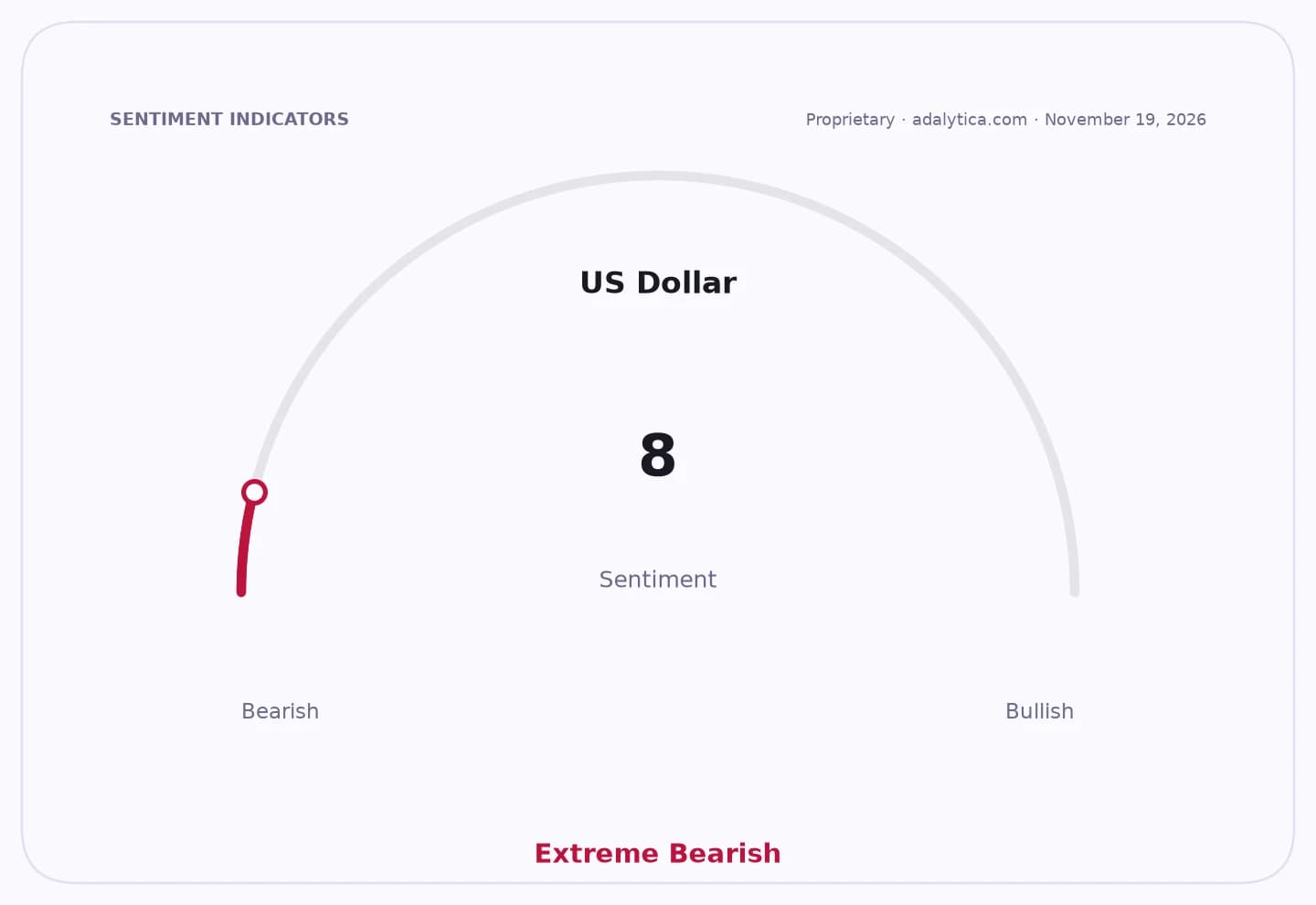
For bondholders, the immediate implication is twofold. On the bullish side, repeated access to multilateral and commercial funding suggests Kenya has not lost market access, and that is critical for refinancing a frontier borrower. On the bearish side, the more the government draws on expensive or short-tenor funding, the more vulnerable debt dynamics become to higher interest costs, currency weakness and any shift in global risk appetite. Adalytica’s US dollar trade signals currently show extreme fear, a reminder that dollar conditions can tighten quickly for emerging and frontier borrowers.
The market also has to weigh the likelihood that more borrowing will eventually require harder fiscal choices: spending restraint, tax measures or a restructuring of maturities toward longer-dated and cheaper sources. If those adjustments do not materialize, the ceiling risks becoming less a brake on debt growth than a symbolic marker of how far Kenya is stretching its balance sheet.
| Entity | Gains | Losses |
|---|---|---|
| Kenya Treasury | ▲Near-term funding access | ▼Fiscal headroom |
| Multilateral lenders | ▲Policy influence | ▼None material |
| Commercial lenders / bond investors | ▲Yield and issuance business | ▼Credit risk exposure |
| Kenyan taxpayers | ▲Continued public spending | ▼Higher future debt service |