The United States is running out of room under its borrowing cap again, and the next debt-ceiling fight is arriving just as interest costs are already heavy enough to keep Treasury investors on edge.
U.S. debt ceiling nears $41.1 trillion limit
US Dollar
Federal debt has climbed above $40.7 trillion and is now less than 1% away from the statutory limit of $41.103 trillion, according to calculations based on Treasury data. The balance has jumped by about $700 billion in just three months since Aug. 18, underscoring how quickly Washington’s financing needs are compounding even before Congress acts.
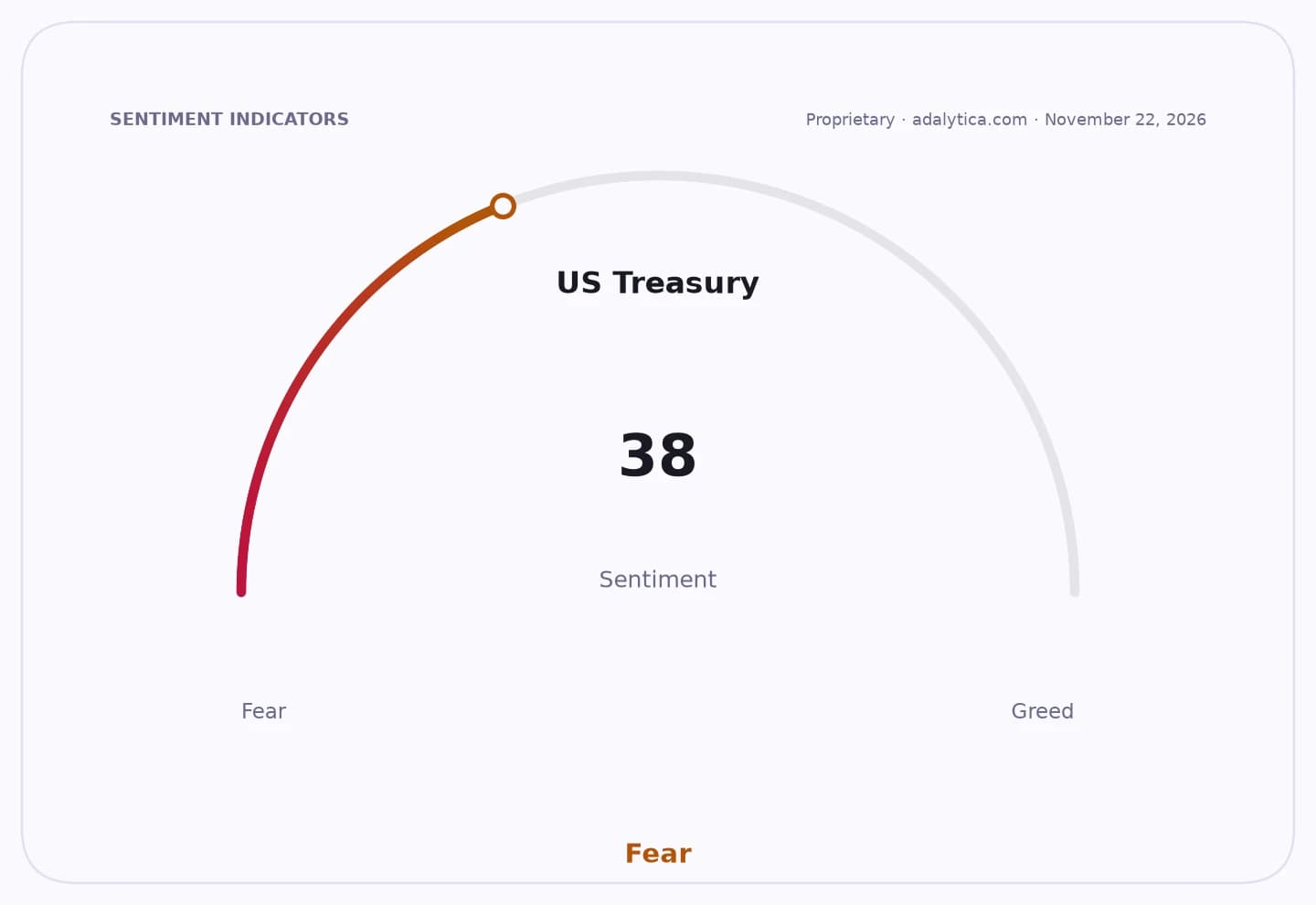
Sentiment Indicators
That matters because the debt ceiling does not control spending — it controls whether the government can keep borrowing to pay bills already incurred. If lawmakers fail to raise or suspend the limit in time, the Treasury could be forced into delayed payments on interest or other obligations, creating a technical default that would reverberate through money markets, funding costs and risk assets worldwide.
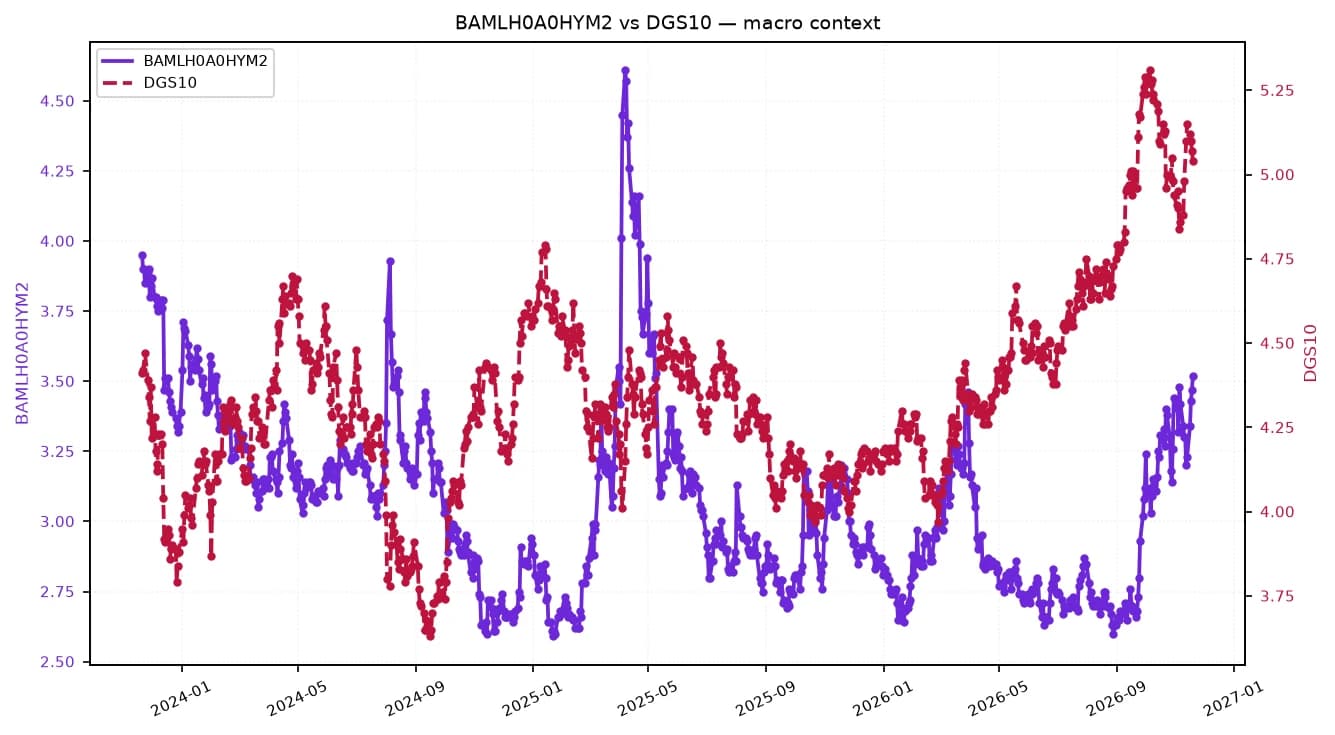
Investors should care because this is no longer just a political ritual. It is a liquidity event for the financial system. The Treasury market remains the benchmark for global pricing, and any hint of missed payments would pressure short-dated bills, widen funding spreads and likely send more money into defensive assets. That is especially important with the 10-year Treasury yield still above 5.1%, levels that already reflect tight financial conditions and a government paying more to finance itself.
The broader macro problem is the scale of the debt stock itself. At more than $40.7 trillion, the U.S. balance sheet is moving toward a projected $50 trillion by 2030, while the political system shows little appetite for reducing deficits. As Jay Ritter of the University of Florida noted, Washington is more likely to lean on inflation than outright default to erode the debt burden — a reminder that the long-term risk is not just a ceiling fight, but a gradual debasement of purchasing power.
That dynamic helps explain why Treasury ETF TLT has become a focal point for traders whenever debt-ceiling headlines surface. Standard technical indicators still show a market in repair rather than full-blown reversal, but the bigger trade is in duration itself: if Congress drags out the standoff, front-end yields and bill yields can gap higher even as investors seek safety elsewhere. At the same time, the U.S. dollar’s trade signals have slipped into extreme fear, suggesting markets are not entirely comfortable with the fiscal backdrop.
For equity investors, the message is not to panic — it is to position around volatility. Fiscal brinkmanship supports short-term demand for cash, T-bills and defensives, while penalizing rate-sensitive stocks if higher funding costs linger. But the larger opportunity may be in assets tied to the eventual policy response: inflation hedges, hard assets and companies able to pass through rising input costs.
The market is underestimating how often this script repeats and how costly the next round could be if Washington waits too long. The higher the debt climbs, the less room there is for theatrics. The real takeaway is that the U.S. fiscal machine is now large enough to shake rates, currencies and portfolio positioning every time the ceiling comes into view.
| Entity | Gains | Losses |
|---|---|---|
| T-bill holders | ▲Higher front-end yields | ▼Delay risk on payments |
| Treasury bulls | ▲Safe-haven demand | ▼Volatility in funding markets |
| U.S. government | ▲Time to negotiate | ▼Credibility under pressure |
| Equity investors | ▲Defensive rotation opportunities | ▼Rate-sensitive valuations |