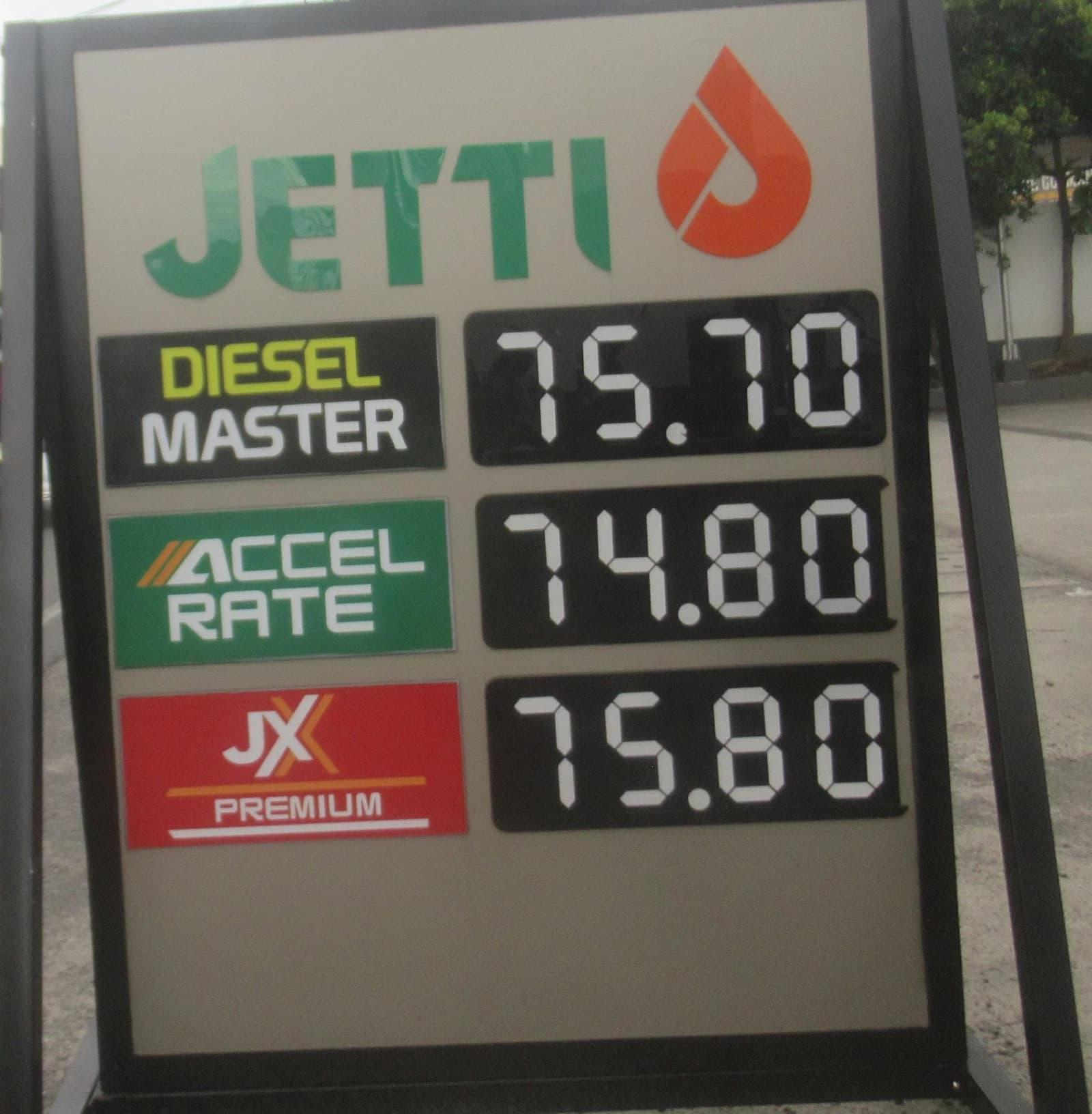
Kenya’s tax authority says only petroleum products will be spared from an inflation-linked excise tax increase, a move that lifts the cost burden on most consumer goods and businesses while protecting fuel prices from an even sharper squeeze.
Kenya KRA exempts petroleum from excise hike
The Kenya Revenue Authority’s decision means the annual inflation adjustment will still feed through to excise on a wide range of products, reinforcing price pressure in an economy already dealing with elevated living costs and tighter household spending. Fuel is the exception because of its outsized role in transport, logistics and production costs, and any additional tax there would risk broadening inflation across the economy.
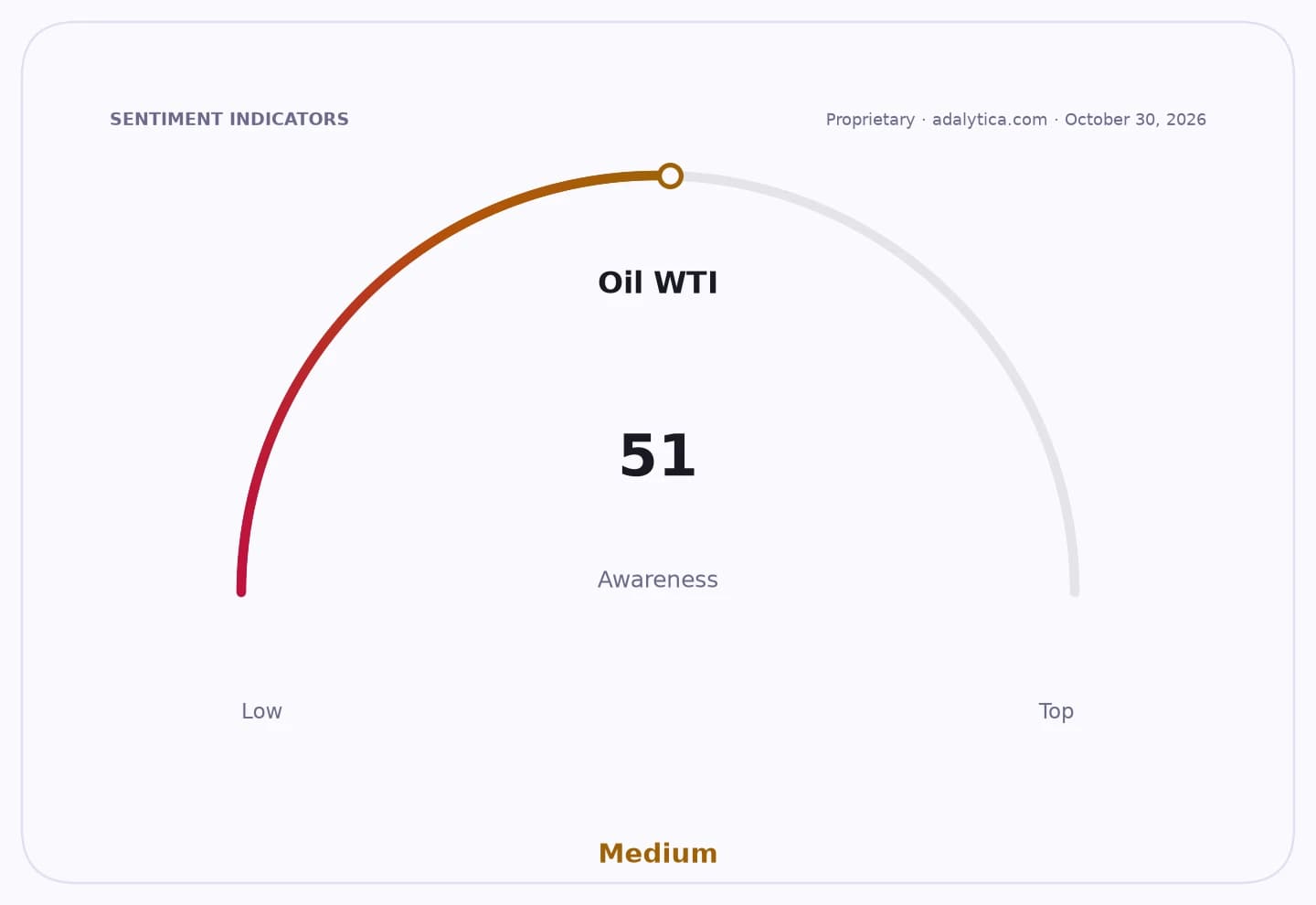
Sentiment Indicators
The policy matters most for consumers and companies that rely on taxed inputs such as alcohol, tobacco, telecoms, soft drinks and other excisable items. It also matters for the government, which is trying to preserve revenue as inflation erodes the real value of tax collections.
Higher excise can quickly filter into retail prices, forcing businesses to choose between passing costs on to customers or absorbing thinner margins. That is a concern for investors in consumer-facing sectors, where demand is already sensitive to price increases, and for importers and distributors that depend on fuel-heavy supply chains.
Oil prices add another layer of risk. Brent-linked products have been volatile, and the broader energy complex remains a key driver of transport and manufacturing costs. Any tax relief on fuel limits the immediate shock, but it also leaves the door open for wider inflation to do more of the damage elsewhere in the economy.
For markets, the immediate focus will be on which products KRA actually applies the adjustment to and how quickly companies reprice. The next test is whether policymakers use future tax changes to raise more revenue without further eroding consumer demand.
| Entity | Gains | Losses |
|---|---|---|
| Kenya government | ▲Protects fuel-linked stability | ▼Faces pressure on tax take |
| Petroleum consumers | ▲Avoids direct excise hit | ▼Still exposed to fuel price volatility |
| Consumer-goods firms | ▲Easier to plan fuel costs | ▼Higher excise on taxed products |
| Households | ▲Slower pass-through from fuel | ▼Higher prices on non-fuel items |