Kenya’s shilling remained steady against the US dollar at Sh129.43, a sign that foreign-exchange demand is still being met without forcing the currency into another sharp break lower.
Kenya shilling steady at Sh129.43 against dollar

That matters because the shilling’s stability is one of the clearest gauges of pressure in Kenya’s economy. A weaker currency quickly feeds through to import costs, debt-service burdens and inflation, so a flat rate at the widely watched Sh129.43 level suggests the market is not seeing an immediate balance-of-payments shock.
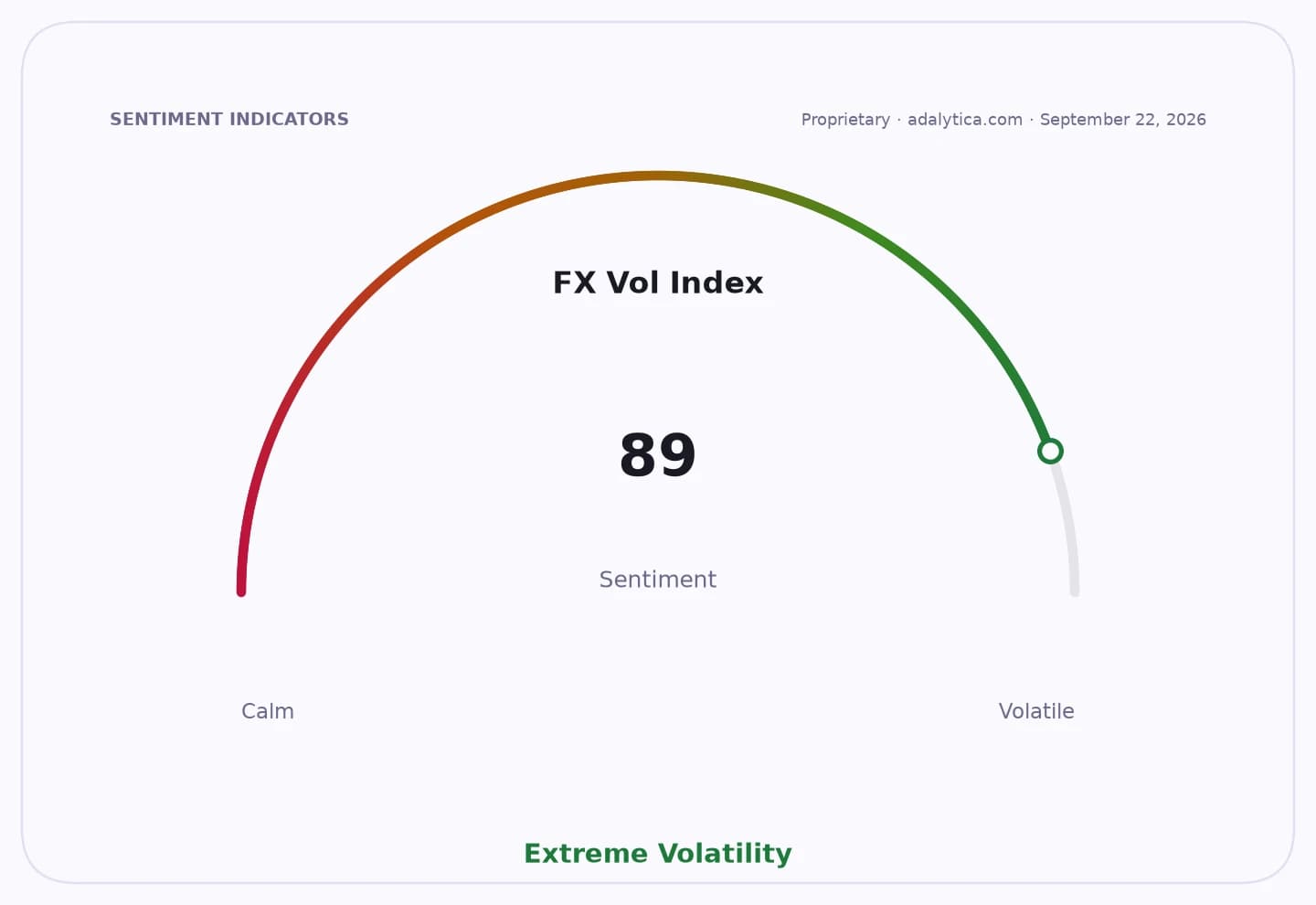
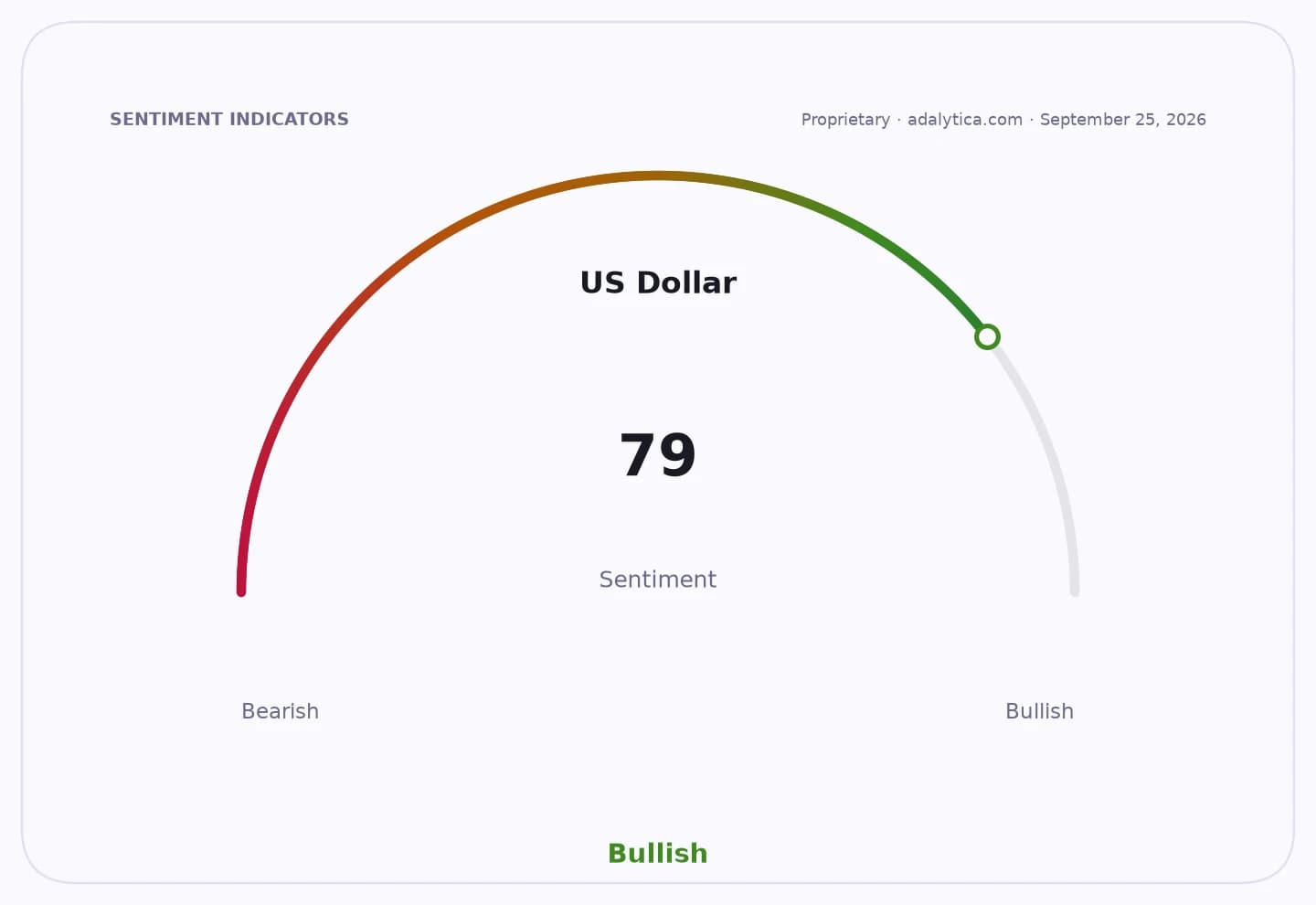
Sentiment IndicatorsⓘProprietary · adalytica.com · September 9, 2026
This is a snapshot — live sentiment, awareness and momentum for 130+ markets update continuously in the dashboard.Open AlphaPulse
The move also comes against a backdrop of persistent dollar strength globally, with the US currency still drawing support from investor demand. But the latest reading implies Kenyan authorities and market participants are, for now, keeping supply and demand broadly aligned. For businesses that rely on imported fuel, food, machinery and raw materials, that reduces the risk of another round of price pass-through into consumer goods.
For investors, the key question is whether this is a durable equilibrium or just a pause. A stable shilling can support local-currency asset valuations by easing inflation expectations and reducing pressure on the central bank to tighten policy further. It also improves visibility for companies with foreign-currency liabilities, including importers, utilities and borrowers with dollar-denominated debt.
Still, the downside risk has not gone away. If dollar demand rises, if external financing becomes more costly, or if confidence weakens, the currency could again come under pressure. That is why a level such as Sh129.43 matters less as a victory than as a test: Kenya needs continued foreign-exchange inflows, credible policy discipline and manageable import demand to keep the exchange rate from slipping.
For now, the shilling’s stability is the story. Whether it marks a floor or merely a brief respite will depend on the next round of demand for dollars and the central bank’s ability to keep markets orderly.
| Entity | Gains | Losses |
|---|---|---|
| Kenyan importers | ▲More predictable costs | ▼Less upside from any weaker shilling |
| Kenyan consumers | ▲Lower imported inflation risk | ▼Exposed if currency weakens again |
| Dollar borrowers in Kenya | ▲Temporary debt-service relief | ▼FX risk if shilling falls |
| Exporters/FX sellers | ▲Less immediate currency volatility | ▼Fewer gains from a softer shilling |