A Kerala gold-smuggling ring that allegedly used wives, babies and airport routes to move nearly 4 crore rupees of bullion has exposed how entrenched and adaptive India’s illicit gold trade remains despite tighter enforcement.
Kerala gold smuggling ring exposed at airports
The arrest of Farooq and his wife Sherif Beevi at Karipur and Nedumbassery airports matters because it points to a broader criminal economy built on moving high-value metal through passenger terminals, where even small consignments can deliver large returns. Authorities say the pair were caught carrying gold worth about 4 crore rupees, hidden in a sanitary napkin, a baby’s diaper and on the body, underscoring how smugglers continue to exploit family travel, pregnancy and child safety as cover.
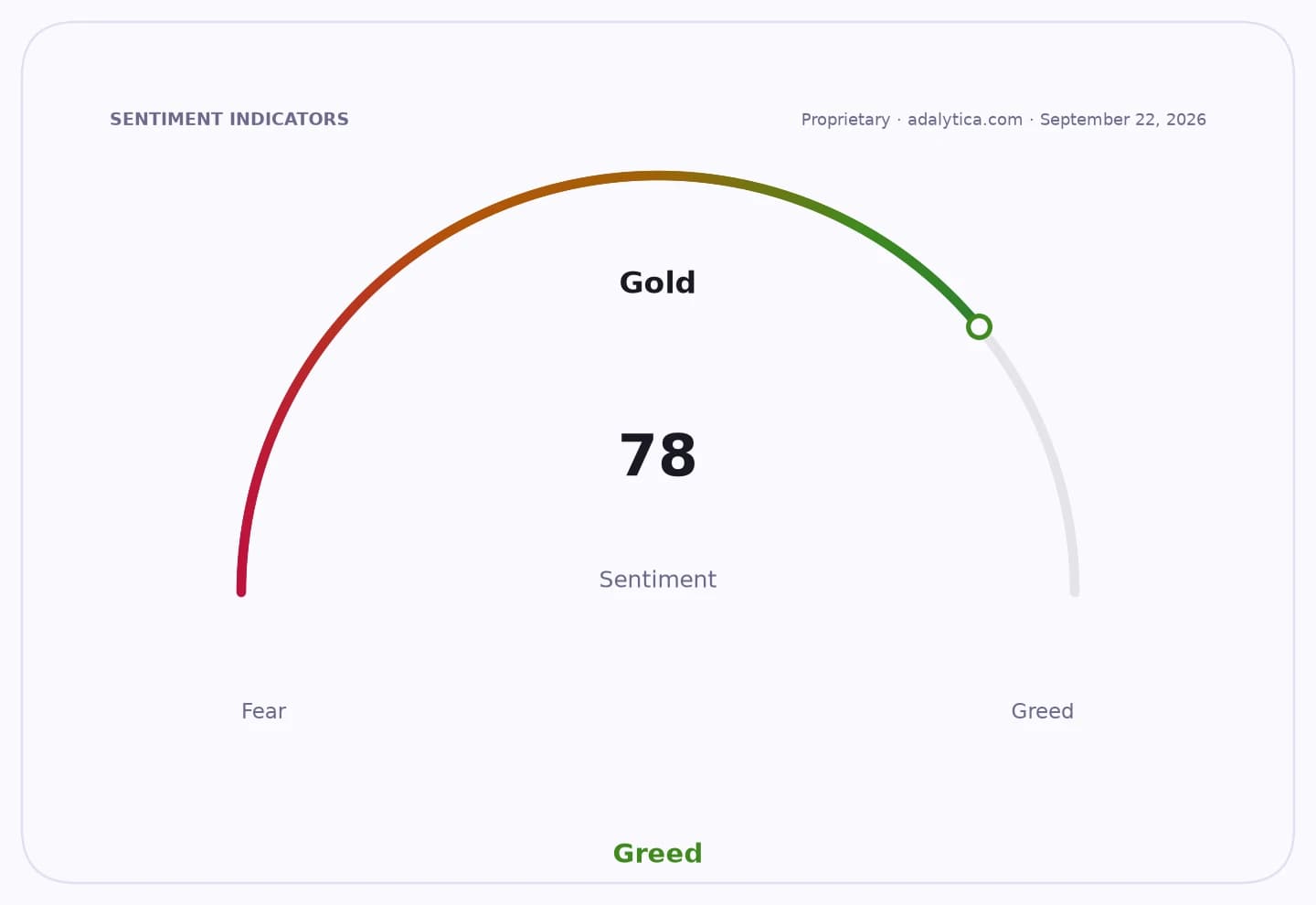
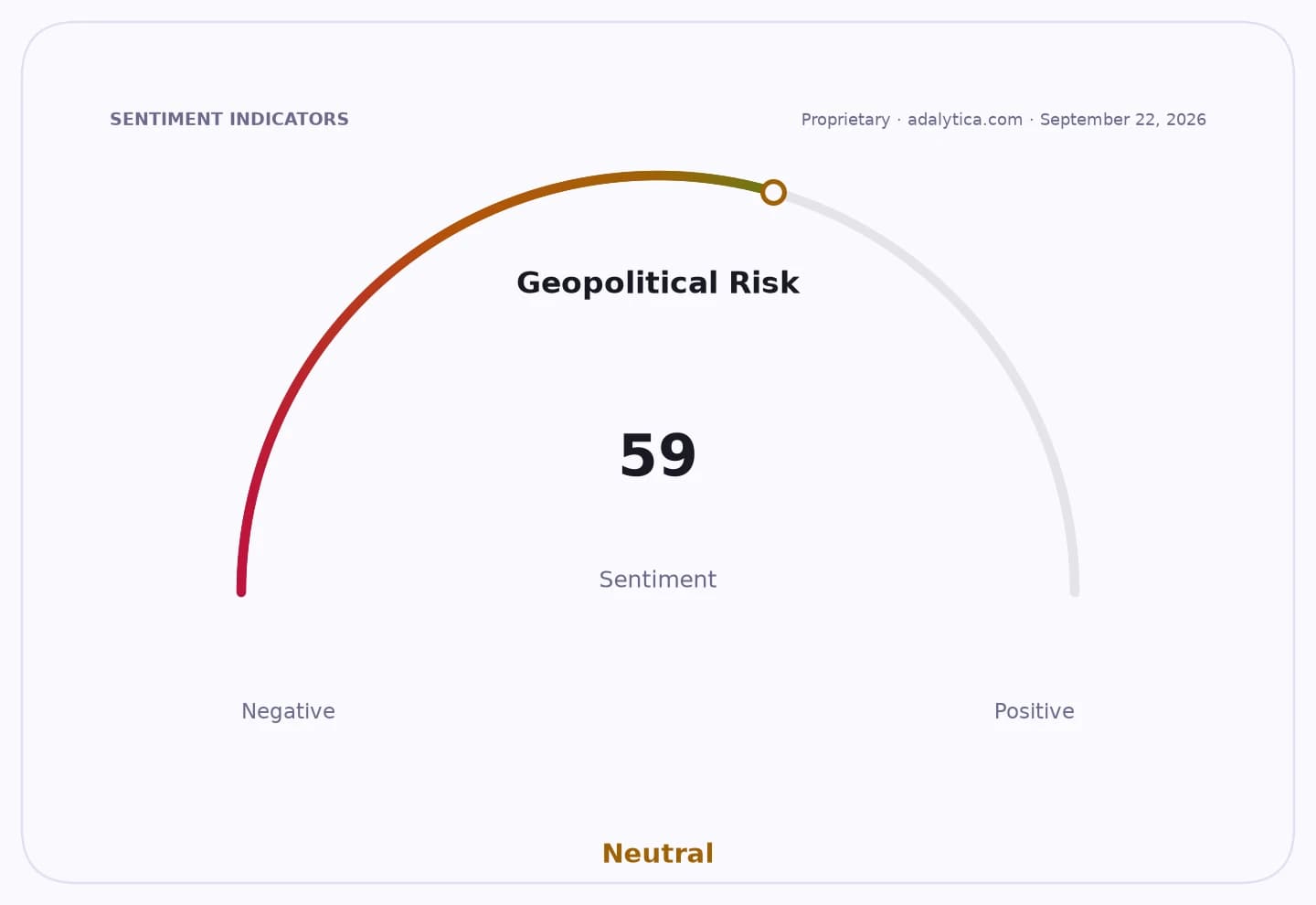
Sentiment IndicatorsⓘProprietary · adalytica.com · September 3, 2026
This is a snapshot — live sentiment, awareness and momentum for 130+ markets update continuously in the dashboard.Open AlphaPulse
For India, which is one of the world’s biggest gold consumers, smuggling distorts official trade flows, erodes customs revenue and feeds a shadow market that often undercuts legitimate dealers. The latest case also suggests that enforcement pressure has not broken the business model; it has forced it into more elaborate concealment methods and more dispersed networks, with the Directorate of Revenue Intelligence saying a larger syndicate is likely behind the operation.
The economic logic is straightforward. Gold’s portability, liquidity and price make it a favoured vehicle for organised smuggling, especially when import duties and compliance costs create incentives to evade the formal channel. Each successful interception raises the cost of illicit supply, but it also reveals how profitable the trade remains. The presence of multiple arrests at Kerala airports, alongside a separate seizure of gold hidden in electronic equipment, shows that smugglers are using several routes and concealment techniques at the same time.
For investors, the immediate market impact is limited, but the story matters for the broader bullion ecosystem. Persistent smuggling can affect local premiums, official import demand and the distribution of margins across refiners, traders and jewellers. It also reinforces gold’s role as a politically and economically sensitive asset in India, where household demand is large enough that shifts in tax policy, enforcement and currency trends can ripple through consumption patterns.
The case also has a geopolitical and regulatory dimension. Recent international seizures, including gold intercepted in Europe and major busts across Indian airports, suggest authorities are widening coordination against cross-border bullion trafficking. That could tighten supply chains for illicit gold over time, but it is unlikely to eliminate the trade unless pricing incentives change materially.
For now, the key question is whether the arrests lead to the dismantling of the network or simply a temporary disruption. If investigators can trace the financing and overseas handlers, the case could become a test of how effectively Indian agencies can choke off the logistics of a highly adaptable smuggling industry.
| Entity | Gains | Losses |
|---|---|---|
| Customs and DRI | ▲stronger enforcement record | ▼pressure to keep intercepting |
| Legitimate jewellers | ▲cleaner official supply | ▼competition from illicit channels eases |
| Smuggling syndicate | ▲nothing | ▼cash flow, operatives, secrecy |
| Gold buyers in shadow market | ▲short-term access may tighten | ▼higher risk and disruption |