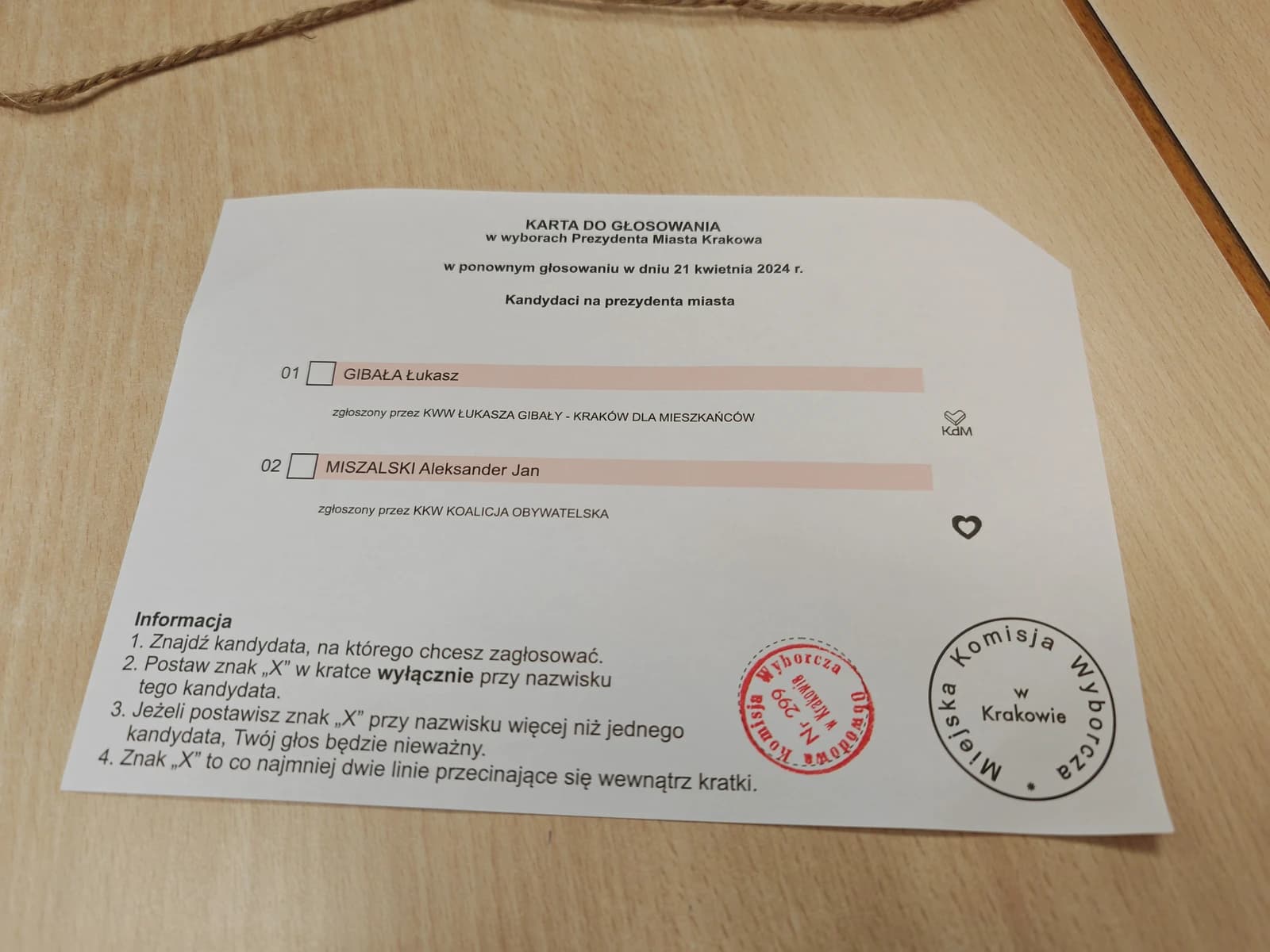
Kraków’s new mayor Łukasz Gibała is taking power just as the city’s finances, transport policy and political balance all come to a head, setting up an immediate test of whether a change in leadership can stop a debt spiral that now threatens every major budget decision.
Kraków mayor Gibała faces debt and transport test
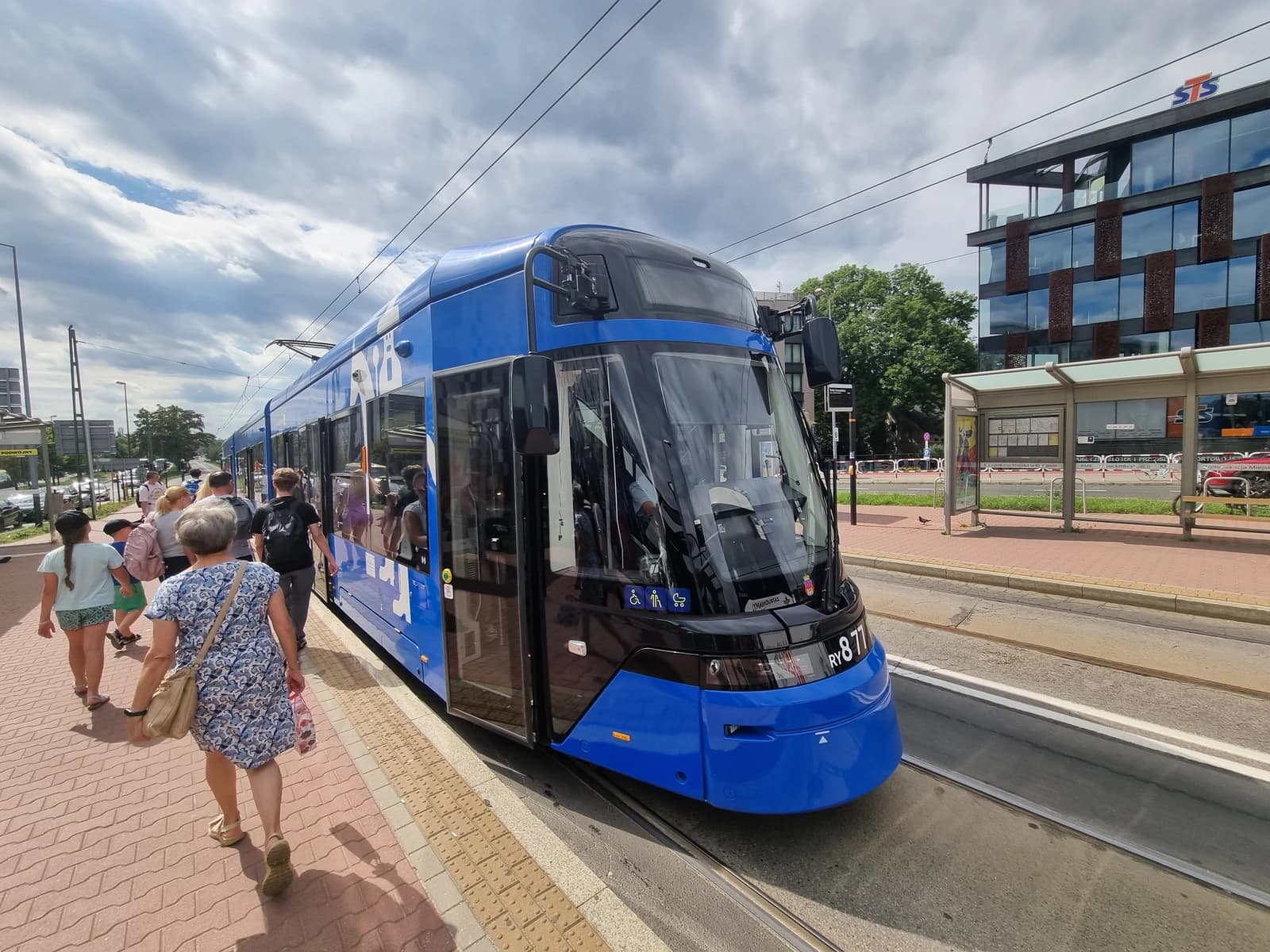
That matters because this is no routine municipal handover. Kraków’s debt has jumped from 6 billion złoty when Aleksander Miszalski took office in mid-2024 to 8 billion złoty by mid-October, with some estimates putting it as high as 9 billion złoty by year-end. For a city already spending more on daily operations such as transit, salaries and street cleaning than it takes in from current revenue, the next budget is not about ambitions — it is about solvency discipline.
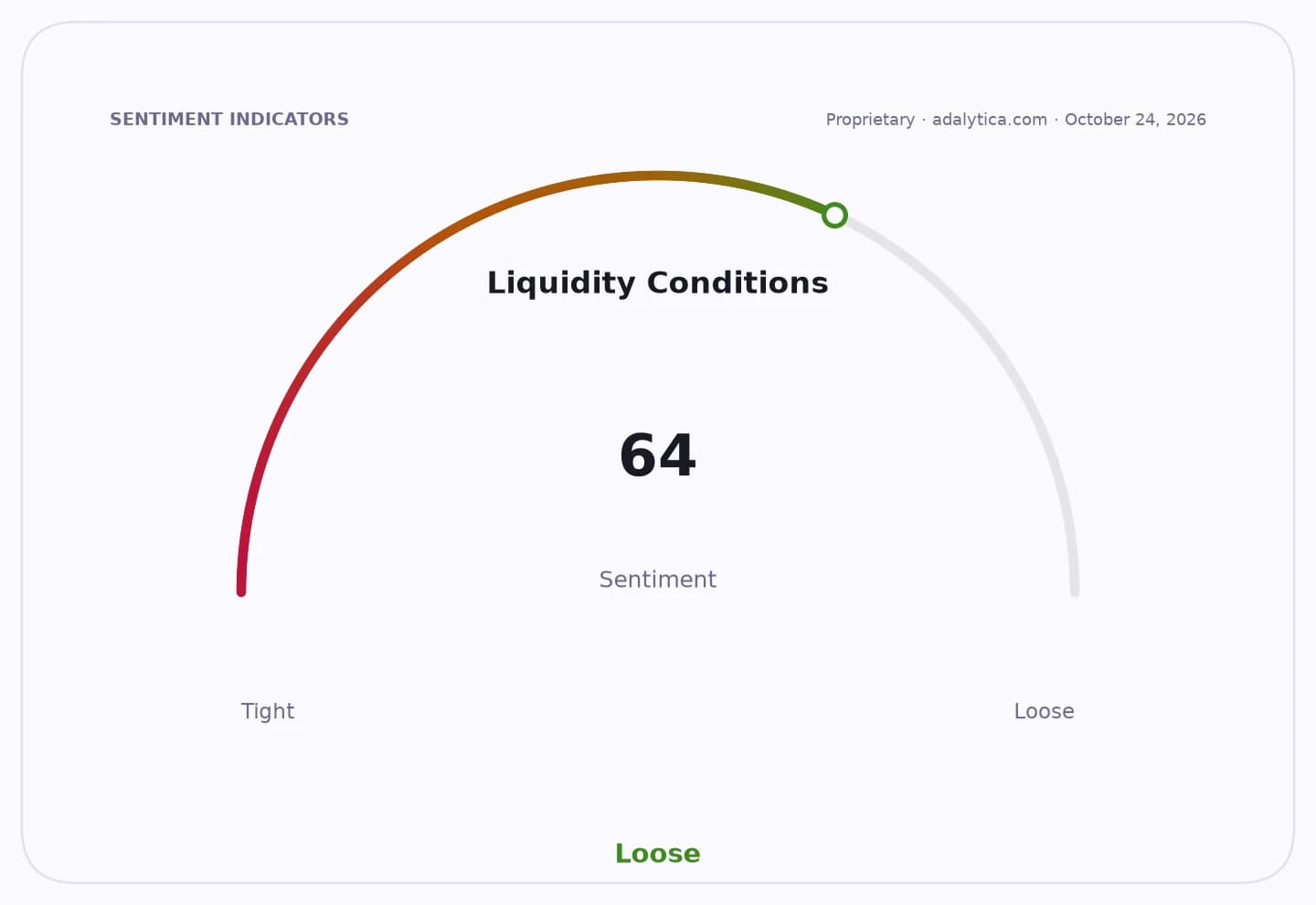
Sentiment IndicatorsⓘProprietary · adalytica.com · October 25, 2026
This is a snapshot — live sentiment, awareness and momentum for 130+ markets update continuously in the dashboard.Open AlphaPulse
The political arithmetic is just as difficult. Gibała will be sworn in on Tuesday, but the city council’s 43 seats are controlled by Civic Coalition and the Left, which means he does not have a stable majority behind him. That makes Wednesday’s council session an early showdown, with funding for public transport and teachers’ pay among the first flashpoints. Gibała has already vowed to restore the 20-minute ticket scrapped by his rivals, while left-wing councillors are pushing to go further and bring back the 40-minute fare.
For investors and policymakers, the story is bigger than a local dispute over bus fares. Kraków is Poland’s second-most important urban and economic center, and its budget strain is a reminder that rising operating costs can overwhelm even the country’s strongest cities when borrowing has done the heavy lifting for years. The city must prepare next year’s budget by Nov. 15, leaving Gibała less than a month to influence a fiscal plan that was already being drafted under interim mayor Stanisław Kracik.
The clean-transport debate is another economic fault line. Kraków’s Clean Transport Zone now covers 60% of the city, and Gibała has hinted at a referendum or at least a reduced perimeter. That matters for households, commuters and local business activity because mobility rules affect who can enter the city, how people travel and what it costs to move goods and workers through the urban core. Even if the zone cannot be scrapped quickly under current rules, a smaller footprint would be a material policy reversal.
The broader investment thesis is straightforward: Kraków is entering a period of forced fiscal repricing, where political promises will collide with balance-sheet reality. If Gibała can impose spending discipline and clean up patronage in city hall, he could reset confidence in municipal governance. If not, the city risks becoming a cautionary example of what happens when debt, operating deficits and political fragmentation all arrive at once.
| Entity | Gains | Losses |
|---|---|---|
| Łukasz Gibała | ▲fresh mandate | ▼no council majority |
| Civic Coalition / Left | ▲leverage in council | ▼policy control |
| Kraków residents | ▲chance for fiscal reset | ▼fare and service uncertainty |
| Municipal bondholders / creditors | ▲if discipline improves | ▼if debt keeps rising |