Organized retail crime is becoming more than a nuisance for grocery chains — it is quietly raising the cost of doing business, putting pressure on margins and forcing retailers to spend more on security, inventory controls and locked-up merchandise.
Kroger, Walmart and Costco face shrink pressure in retail crime
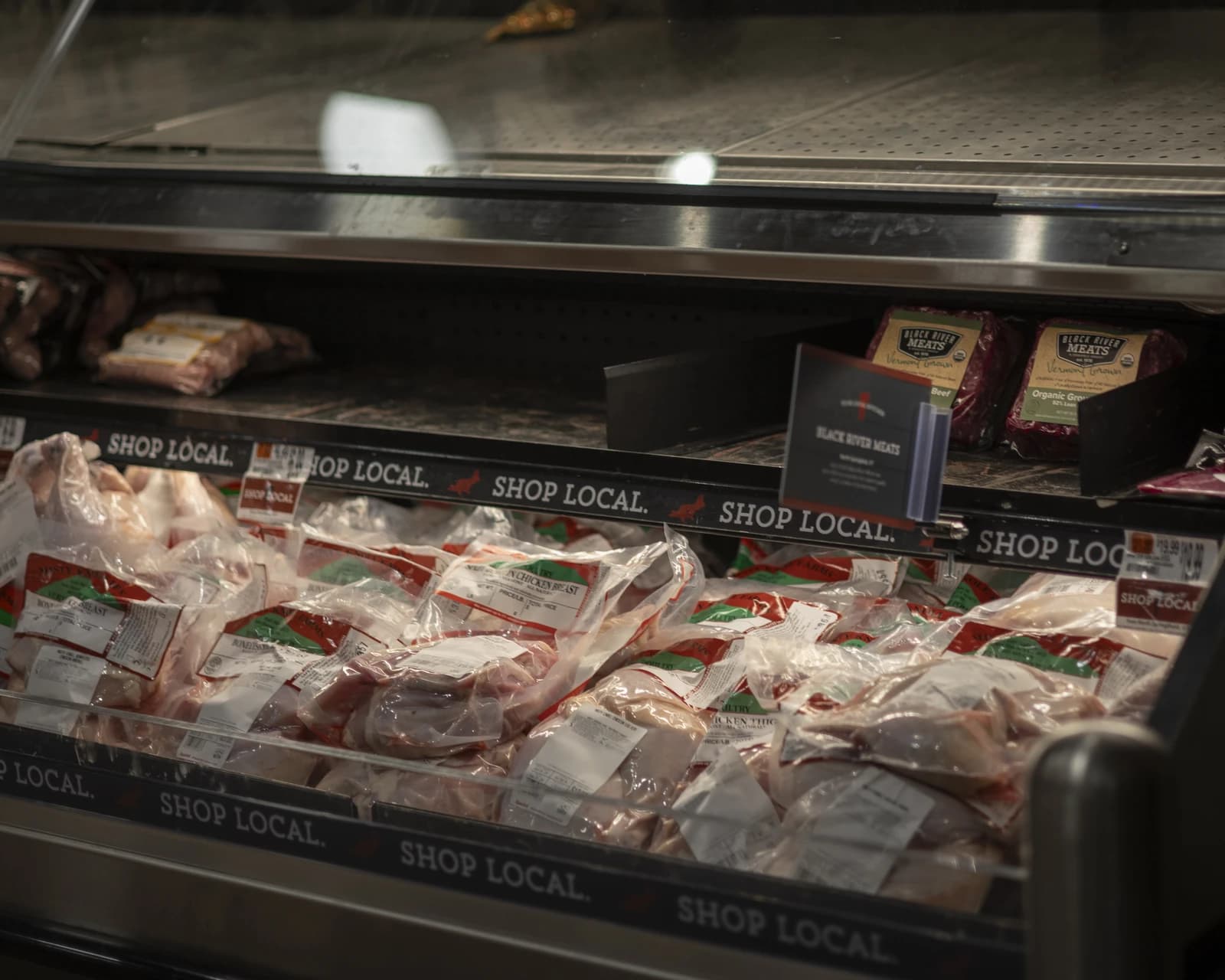
That matters because food retail is a low-margin business where even small losses can hit earnings. Expensive meats hidden in stores are a reminder that shrink — the industry term for inventory lost to theft, damage or error — can spread from a store-level problem into a profit problem. For long-term investors, the question is not whether shoppers notice the visible inconvenience, but whether chains can keep protecting sales without making stores harder to shop.
Sentiment IndicatorsⓘProprietary · adalytica.com · July 31, 2026
This is a snapshot — live sentiment, awareness and momentum for 130+ markets update continuously in the dashboard.Open AlphaPulse
Kroger, Walmart and Costco are all exposed in different ways. Kroger, the most directly tied to the supermarket channel, has seen its share price slide to about $57.74 from a February peak above $70, even as the 50-day moving average has rolled below the 200-day line in a sign of weakening momentum. That does not prove theft is the only issue, but it does show how quickly investors punish any threat to grocery profitability when operating costs are already sensitive to labor, fuel and food inflation.
Walmart is better positioned thanks to its scale and mix of general merchandise, yet it too has flagged inventory shrinkage in filings as a risk. Its stock has pulled back from an early-year high above $130 to around $111, with the 50-day average now below the 200-day average. Costco, by contrast, still looks like the strongest operator of the group, with shares near $952 and both the 50-day and 200-day averages holding close together, suggesting a far more resilient long-term trend.
What makes the theft issue economically important is that retailers cannot simply absorb endless losses. They can install more cameras, put premium meats behind cases, and tighten checkout controls, but those steps add labor and friction. Some of the cost gets passed on to consumers, which matters at a time when consumer-spending sentiment remains hot by Adalytica.com’s measure, with its Consumer Spending Sentiment gauge sitting at “Extreme Greed.” If shoppers are still willing to spend, retailers may have some pricing power. If not, the burden lands on margins.
For investors, the best way to think about this is not as a one-quarter headline but as a structural operating expense. Chains with scale, disciplined inventory systems and strong private-label economics are better equipped to live with shrink than smaller peers. Costco’s membership model and high turnover help, while Walmart’s scale gives it bargaining power and security budgets most rivals cannot match. Kroger’s narrower grocery exposure leaves it more vulnerable if theft becomes a persistent tax on fresh and high-value categories.
The investment takeaway is straightforward: organized retail crime is another reason to favor the most operationally efficient retailers over the weakest grocers. It is a drag on the sector, but it should not derail the long-term case for the best-run companies. Investors may want to keep Kroger on the watchlist, while Walmart and Costco remain the cleaner ways to own a grocery business built to withstand margin pressure.
| Entity | Gains | Losses |
|---|---|---|
| Walmart | ▲Scale in security spending | ▼Higher shrink costs |
| Costco | ▲Membership moat | ▼Some checkout friction |
| Kroger | ▲Theft awareness drives controls | ▼Margin pressure in groceries |
| Shoppers | ▲Better loss prevention over time | ▼Locked-up meats and inconvenience |