Pakistan’s stock market recovered from early losses on Friday, with the KSE-100 Index closing up nearly 400 points as easing fears of another US rate hike improved global risk appetite and drew buyers back into emerging-market equities.
KSE-100 Rebounds 399 Points as Rate-Hike Fears Ease
The benchmark settled at 175,328.82, up 399.14 points, or 0.23%, after swinging from an intraday low of 174,515.38 to a high of 175,418.29. That kind of reversal matters because it shows local sentiment is still being driven less by domestic conviction than by shifts in global liquidity conditions, oil prices and dollar moves. In a market that has been reluctant to commit fresh money, even modest improvement in external risk sentiment can trigger a sharp late-session bid.
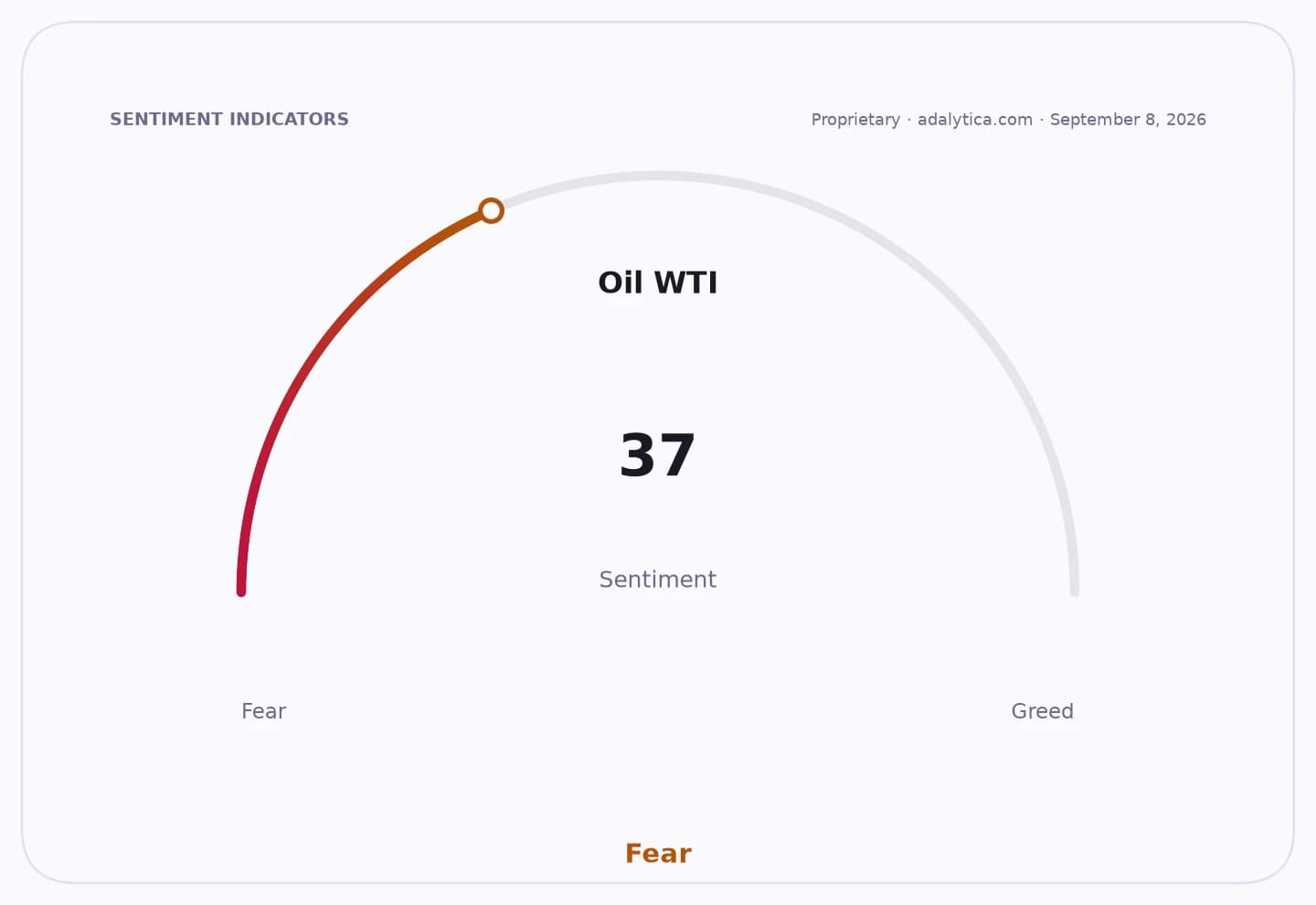
Sentiment IndicatorsⓘProprietary · adalytica.com · September 5, 2026
This is a snapshot — live sentiment, awareness and momentum for 130+ markets update continuously in the dashboard.Open AlphaPulse
The catalyst came from abroad. Asian shares rose after Federal Reserve Governor Christopher Waller said recent data pointed to disinflation and that he would favor holding rates steady if coming reports confirm the trend. That cooled expectations for another rate hike this month, pressured the dollar and eased some stress in bond markets. For Pakistan, where foreign inflows remain highly sensitive to US yields and the dollar, that is not a trivial backdrop — it is the difference between passive positioning and incremental buying.
The rupee also eked out a small gain, closing at 277.41 against the dollar, while turnover improved to 874.32 million shares from 627.45 million in the previous session. The value traded rose to Rs32.42 billion from Rs25.19 billion. That combination suggests the rebound was not just index mechanics but a broader increase in activity after days of hesitation.
Topline Securities said the lackluster tone reflected investors’ preference to stay on the sidelines, even as buying emerged in the afternoon. MEBL, BAHL, MARI, PPL and OGDC led gains and collectively added about 250 points to the index, while UBL, ATRL, PSEL, CNERGY and FFC shaved off 212 points. The market’s internal split underscores the real investment story here: money is still rotating into perceived defensive or cash-generative names while cyclicals and energy-related counters remain vulnerable to profit-taking and oil-linked caution.
That matters economically because Pakistan’s equity market is effectively serving as a referendum on two competing forces — the fragility of domestic risk appetite and the support from a softer global macro backdrop. Rising international oil prices have kept investors cautious, and that remains a headwind for a country that imports much of its energy. But if US rate fears continue to ease, the dollar weakens further and regional equities stay bid, PSX has room to extend the rebound without needing a major domestic policy surprise.
For investors, the opportunity is in identifying which names benefit first when global risk sentiment turns and which sectors still have balance-sheet durability if volatility returns. Banks and selected oil and gas names remain the clearest liquidity beneficiaries when the market stabilizes, while high-beta industrial and speculative counters are more likely to lag if the rally remains narrow.
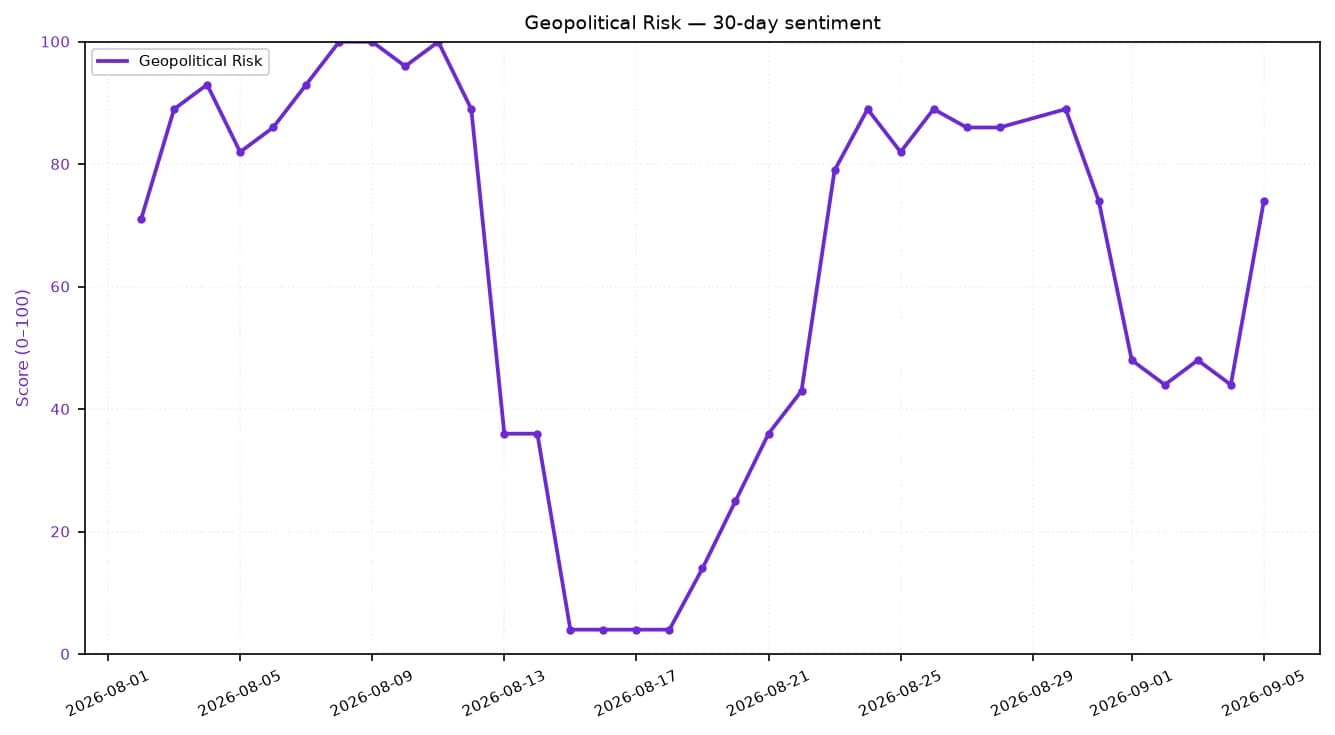
Our thesis is that the market is still underpricing how quickly Pakistan equities can re-rate on even a modest improvement in external conditions. The move higher in the KSE-100 may look small on the day, but after a volatile session and a week marked by geopolitical caution and oil-price anxiety, it reinforces that sentiment can turn fast. If the dollar keeps softening and global yields stay contained, PSX could be setting up for a more durable breakout.
| Entity | Gains | Losses |
|---|---|---|
| KSE-100 bulls | ▲Risk-on rebound | ▼Early-session sellers |
| Banks and oil producers | ▲Index support | ▼Profit-taking pressure |
| Pakistan rupee | ▲Slight firming | ▼Dollar buyers |
| Global equities | ▲Easier Fed backdrop | ▼Rate-hike fears |