Lagos’ new tenancy rules could do more to cut the upfront cost of renting a N3.5 million apartment than to lower the rent itself, but that still matters in a city where move-in costs have long been a barrier to mobility and a source of tenant abuse.
Lagos tenancy rules cap agency fees at 5%

The clearest economic change is the cap on agency fees at 5%, alongside tighter restrictions on illegal evictions. In practical terms, a tenant taking a N3.5 million apartment would pay N175,000 in agency fees under the new limit, instead of the higher charges that often pushed total move-in costs far above the headline rent. For households already stretched by food, transport and school fees, that reduction can be the difference between staying put and moving to a cheaper area.
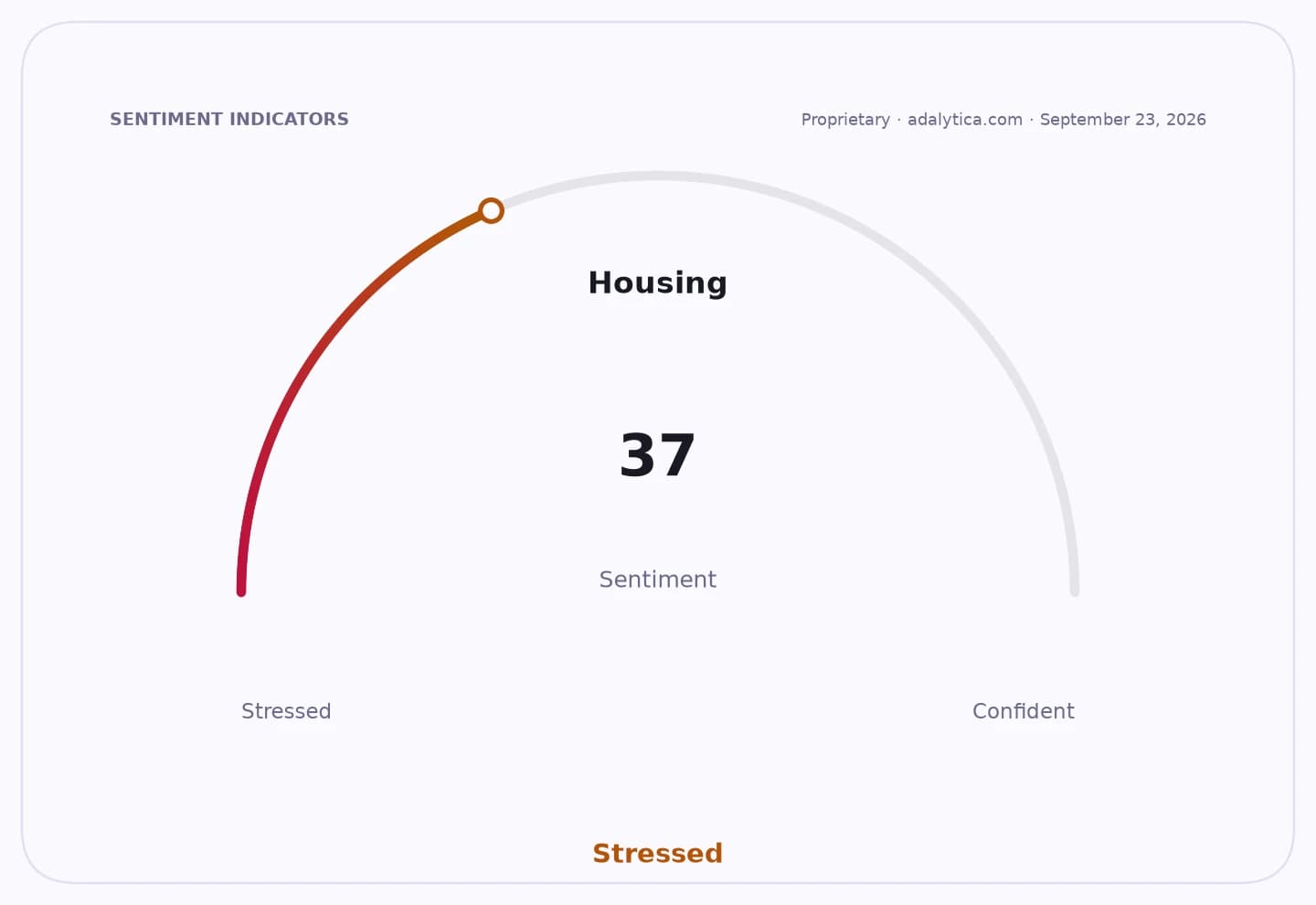
Sentiment IndicatorsⓘProprietary · adalytica.com · September 14, 2026
This is a snapshot — live sentiment, awareness and momentum for 130+ markets update continuously in the dashboard.Open AlphaPulse
It also matters for the broader rental market because Lagos housing is not short of demand; it is short of affordability and transparency. When landlords, agents and informal middlemen can load fees onto tenants with little oversight, rents become only one part of the cost problem. By capping charges and outlawing arbitrary evictions, the government is trying to reduce the friction that keeps households trapped in bad arrangements and encourages cash-only, off-the-books dealings.
For investors and property owners, the policy cuts both ways. Tenants gain predictability and lower transaction costs, which could support lease renewals and improve occupancy over time. But agents and landlords will face tighter margins on ancillary fees, and some owners may try to offset that by holding firm on base rents or being more selective about tenants. If enforcement is weak, the market could simply shift the burden rather than remove it.
The backdrop is a global one in which housing affordability remains politically sensitive, with governments under pressure to intervene when rent growth outruns wages. In Lagos, the issue is amplified by rapid urbanization and a shortage of formal housing stock. That makes regulation a partial fix at best: it can improve fairness, but it cannot on its own solve supply constraints that keep rents elevated.
For residents, the immediate win is lower entry cost and fewer abusive practices. For the market, the test will be whether the new rules create a more orderly rental system or just push more activity into informal channels. The longer-term investment case for Lagos housing still depends on whether policy changes are matched by more supply, better enforcement and a deeper pool of formal landlords.
| Entity | Gains | Losses |
|---|---|---|
| Lagos tenants | ▲Lower move-in costs | ▼Less leverage in negotiations |
| Honest agents | ▲Clearer fee rules | ▼Lower fee income |
| Landlords | ▲Better tenant retention | ▼Pressure on ancillary charges |
| Informal brokers | ▲— | ▼Reduced commissions |