The wheat silos at Beirut’s port have become more than a war scar: they now sit at the center of Lebanon’s food-security debate as global grain prices firm and import-reliant economies confront renewed supply stress.
Lebanon Beirut wheat silos and grain supply risk

Their significance is economic as much as historical. Lebanon imports most of its wheat, so the destruction and partial loss of the port’s storage backbone after the 2020 blast left the country even more exposed to shocks in freight, foreign exchange and world grain prices. In a country already wrestling with inflation and a weak currency, the ability to store and buffer wheat supplies is a direct line between global commodity volatility and bread prices at home.
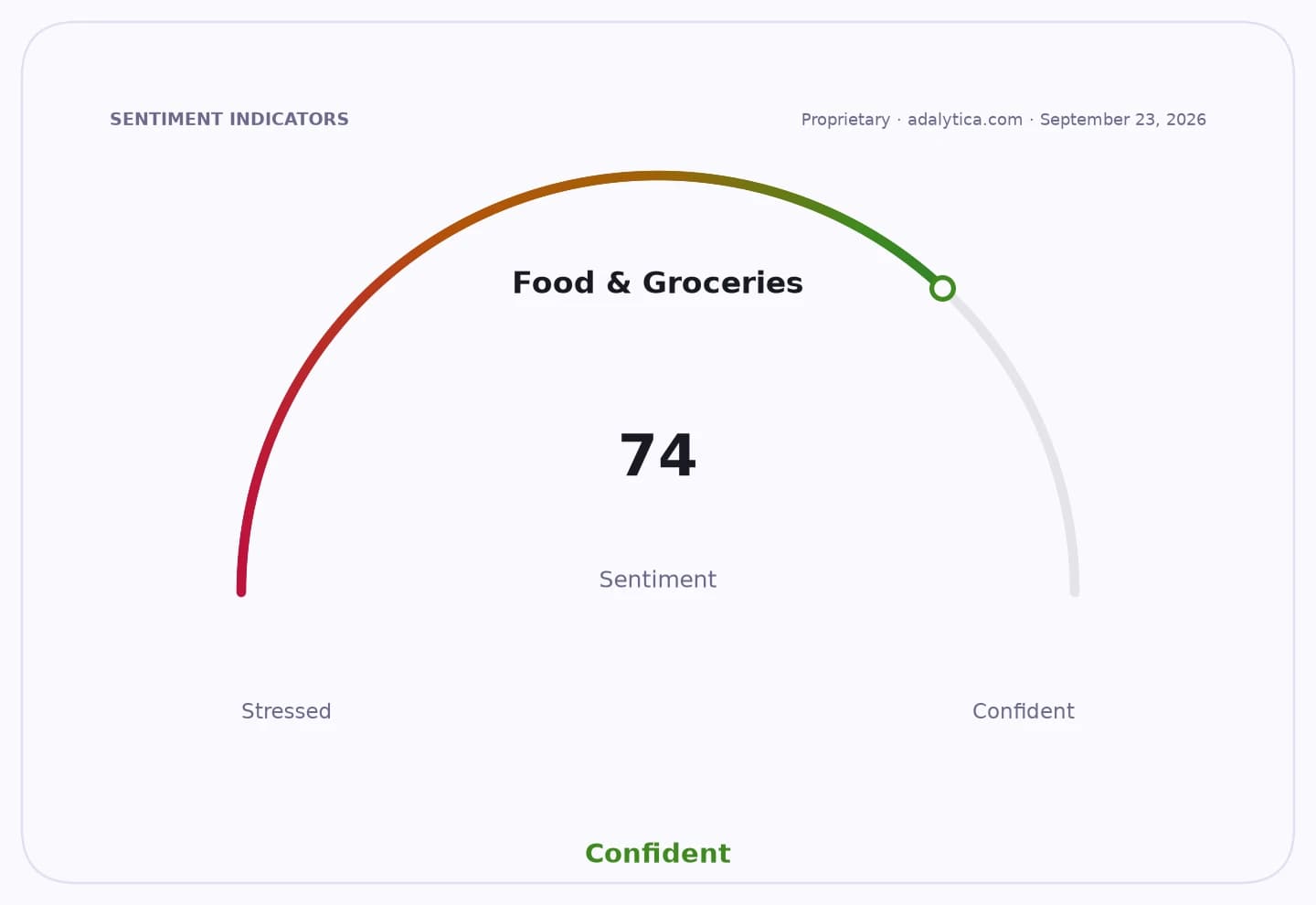
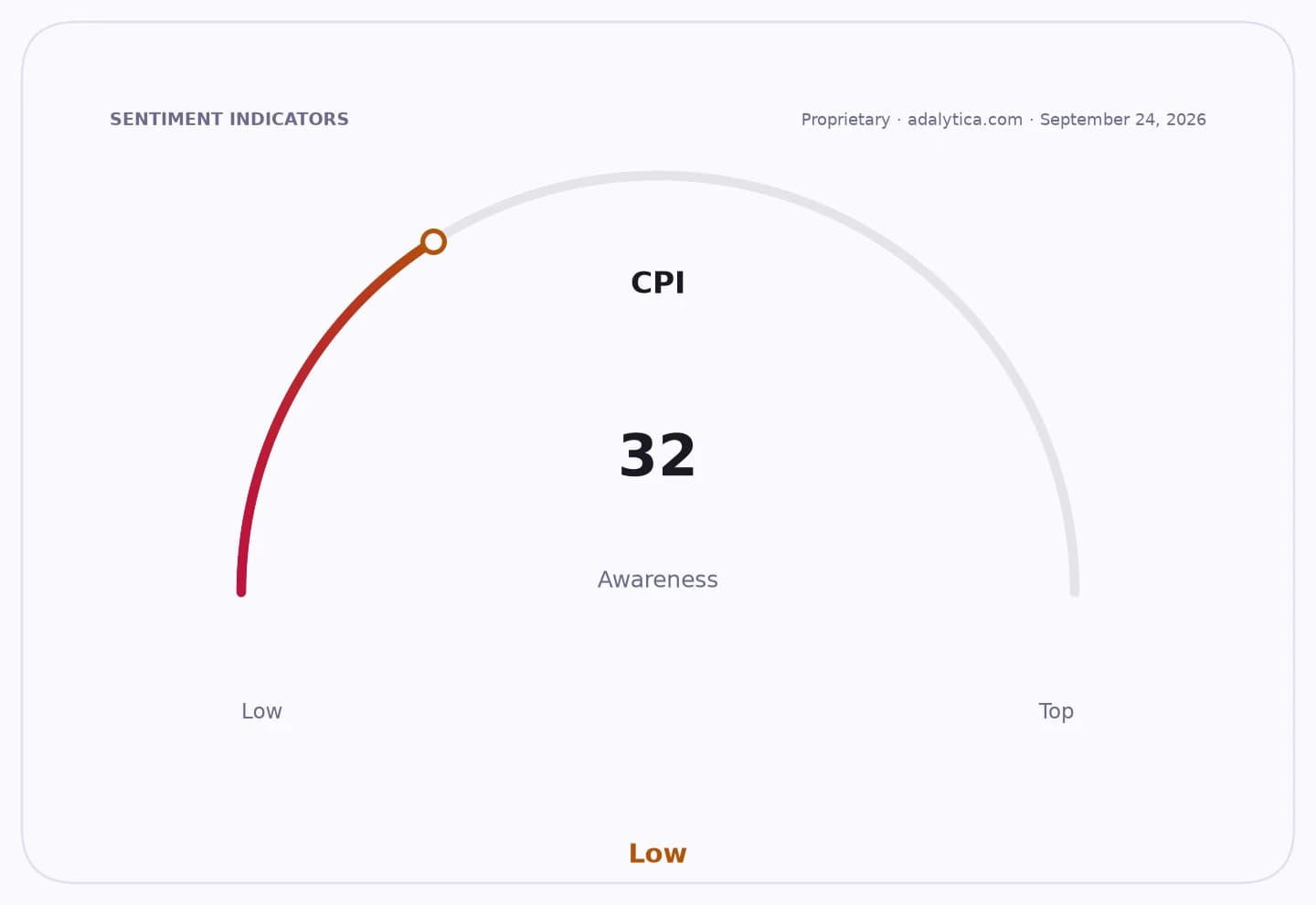
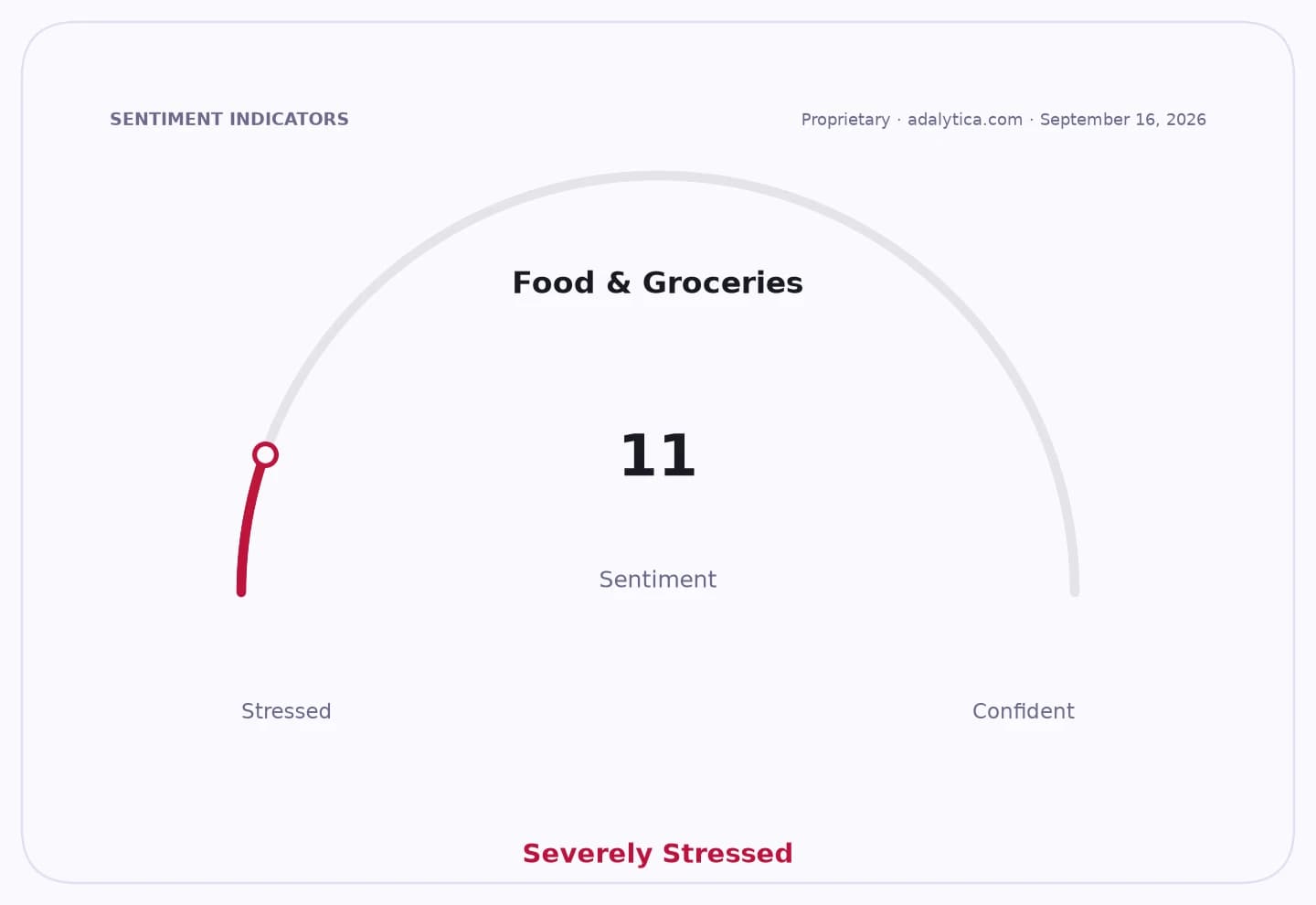
Sentiment IndicatorsⓘProprietary · adalytica.com · September 7, 2026
This is a snapshot — live sentiment, awareness and momentum for 130+ markets update continuously in the dashboard.Open AlphaPulse
That linkage matters now because wheat markets have remained unstable after years of disruption from the Ukraine war, climate swings and intermittent export restrictions. The U.S. wheat ETF, WEAT, has surged to 26.49 from 20.95 in November and briefly touched 27.86 this week, while corn and broad agricultural benchmarks have also climbed to recent highs. The move reflects tightening global food markets rather than any single local event, but for import-dependent countries such as Lebanon, it raises the cost of keeping staple goods stocked.
The Beirut silos themselves were built to do exactly that. Completed in the late 1960s and early 1970s, the structure had storage capacity of about 120,000 to 125,000 tons, enough to cover more than 85% of Lebanon’s wheat and grain needs, according to the supplied material. The engineering detail matters because it explains why the facility was not just a warehouse but a strategic reserve asset: a massive reinforced-concrete buffer anchored deep into the port’s subsoil.
That role became painfully visible after the Aug. 4, 2020 ammonium nitrate explosion. The eastern silos absorbed much of the blast and helped shield western Beirut from even worse destruction, cementing their status as both infrastructure and memorial. But from an economic perspective, the blast also removed a key resilience mechanism from Lebanon’s food system at the very moment the country’s financial crisis was already eroding purchasing power.
Reconstruction remains politically and financially fraught. The Kuwait Fund has indicated support for rebuilding the grain silos and related infrastructure, but Lebanese authorities have moved slowly, and concerns persist that the port’s function could be altered in ways that weaken its original logistics role. For investors and policymakers, the issue is not only heritage preservation. It is whether Lebanon can restore a piece of critical infrastructure that reduces reliance on expensive, just-in-time imports and makes the country less vulnerable to another spike in global grain prices.
For grain traders, the story points to persistent demand for storage and handling capacity across import-heavy markets. For Lebanon, it is a reminder that physical infrastructure can be a hedge against commodity shocks. Until the silos are restored or replaced, the country remains exposed to the same forces lifting wheat, corn and broader food costs worldwide.
| Entity | Gains | Losses |
|---|---|---|
| Lebanon importers | ▲Better resilience if silos rebuilt | ▼Higher exposure to food shocks |
| Global grain sellers | ▲Stronger pricing power | ▼None from local storage loss |
| Consumers in Beirut | ▲Potentially steadier bread supply | ▼Inflation and shortages |
| Kuwait Fund / donors | ▲Strategic influence through rebuilding | ▼Delayed impact if project stalls |