Lebanon’s central bank has increased the monthly cash withdrawal limits for depositors covered by Circulars 158 and 166, easing some pressure on households still trapped inside the country’s banking restrictions.
Lebanon central bank raises withdrawal limits
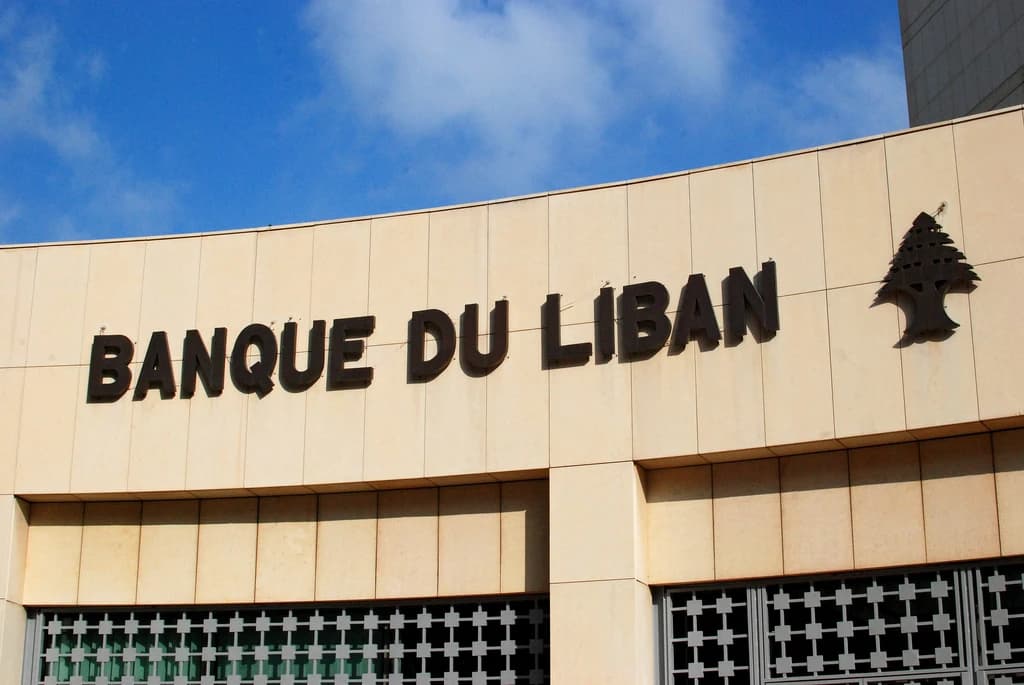
Under the revised rules, beneficiaries of Circular 166 can now withdraw $600 a month, including $200 through a bank card, while Circular 158 beneficiaries can take out $1,200 a month, including $400 via card. The move is aimed at giving depositors access to higher monthly sums under the framework already set by Banque du Liban.
Sentiment Indicators
The change matters because Lebanon’s financial system is still operating under tight informal capital controls years after the 2019 banking collapse. Any increase in permitted withdrawals can help soften the squeeze on salaries, remittances and everyday spending, but it does not amount to a return of full deposit access or restore confidence in the wider banking sector.
For households, the higher ceilings offer only partial relief in a country where inflation, currency depreciation and weak growth have eroded purchasing power. For the banking system, the adjustment may reduce some near-term frustration among depositors, but it also underscores how far Lebanon remains from a normalised payments regime.
The decision comes as Lebanon faces broader political and security strains, including regional tensions, Israeli attacks and domestic warnings about the cost of being pulled into another war. Those pressures keep investor attention on the state’s fragile institutions, the central bank’s policy room and whether any banking reform can move beyond stopgap measures.
| Entity | Gains | Losses |
|---|---|---|
| Depositors under Circulars 158 and 166 | ▲Higher monthly cash access | ▼Still limited by withdrawal caps |
| Lebanese households | ▲Slight relief on spending needs | ▼No full access to deposits |
| Banque du Liban | ▲Eases pressure on the system | ▼Highlights unresolved banking crisis |
| Lebanese banks | ▲Some depositor frustration eases | ▼Continued confidence and liquidity strain |