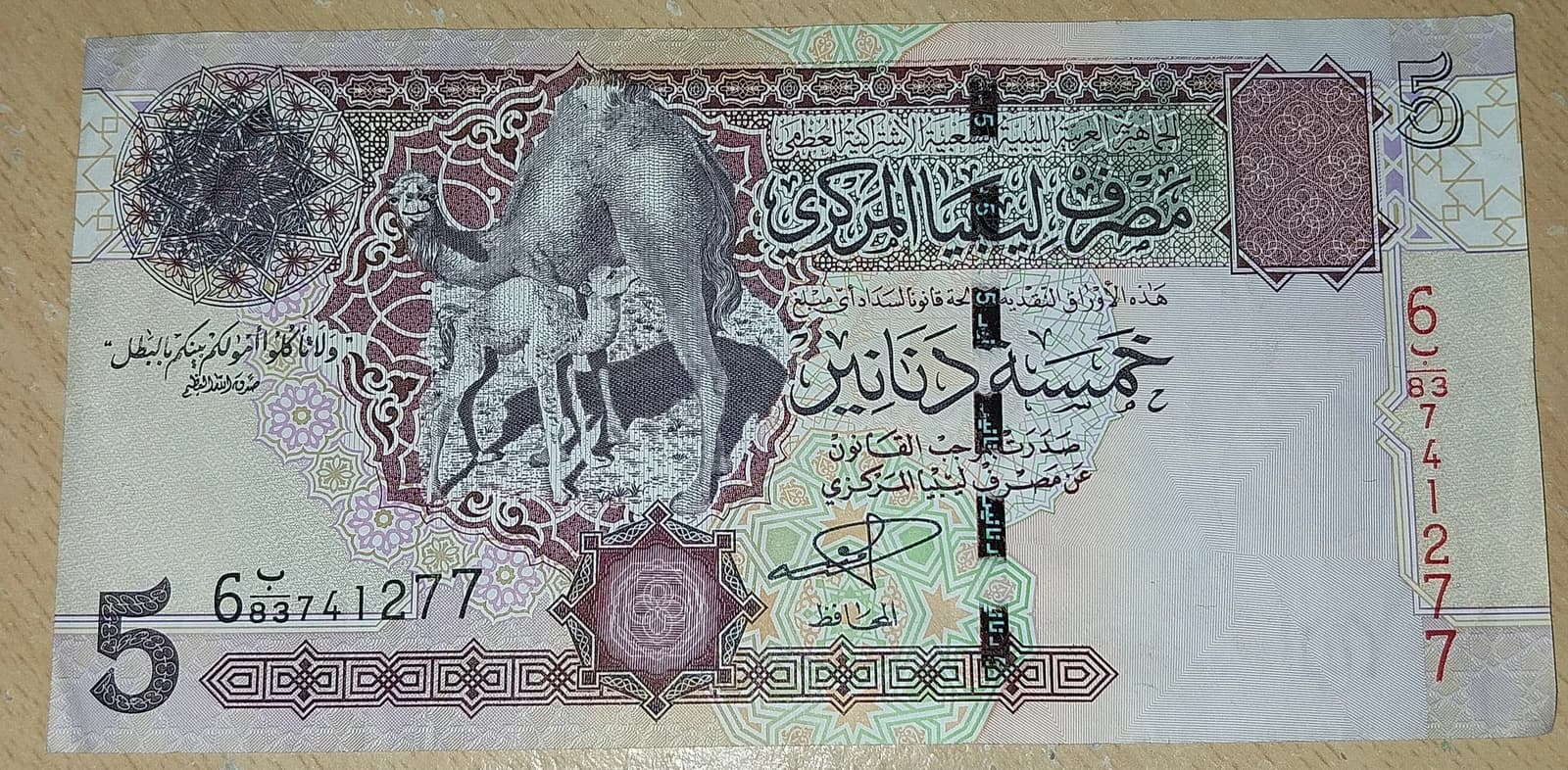
The Central Bank of Libya says it will remove restrictions on cash withdrawals by the end of 2026, a move that could steady confidence in the banking system and ease a long-running distortion between cash and electronic payments.
Libya Central Bank to Lift Cash Withdrawal Caps
For households and businesses, that matters because withdrawal caps are more than an inconvenience in a cash-dominated economy: they can feed uncertainty, widen the gap between cash and deposits, and push people toward informal pricing and hoarding. By promising freer access to deposits, the central bank is trying to restore one of the most basic functions of banking — letting people put money in and take it out without friction.
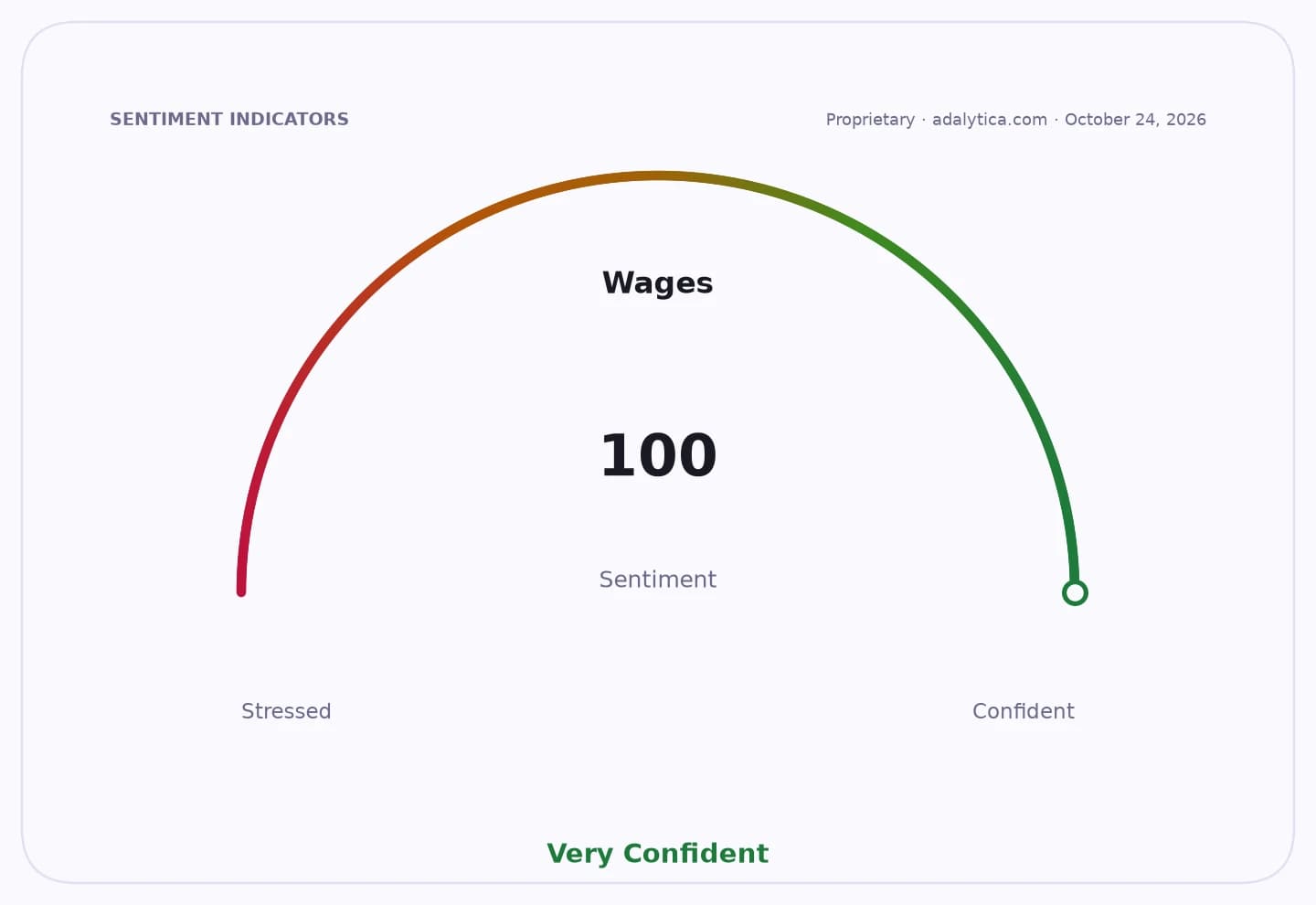
Sentiment IndicatorsⓘProprietary · adalytica.com · October 13, 2026
This is a snapshot — live sentiment, awareness and momentum for 130+ markets update continuously in the dashboard.Open AlphaPulse
The bank said the plan is aimed at rebuilding trust, encouraging deposits and ending speculation between cash and payment instruments. It also wants to give electronic payments more of an edge, noting that the value of digital transactions has already exceeded 900 billion dinars this year. That is a meaningful sign that Libya’s payments system is becoming more active even before restrictions are fully lifted.
The central bank also said it has large, regular cash inflows available through the end of 2027, which suggests it believes the system can absorb a gradual easing without immediately reigniting shortages. That will be important for investors and businesses watching whether the policy is a one-off announcement or the start of a broader normalization of liquidity management.
The economic logic is straightforward. When people trust that deposits can be withdrawn, they are more willing to keep money in the banking system. That can deepen the deposit base, support lending, and improve the transmission of monetary policy. It can also reduce the premium people pay to access cash outside the formal system, which has been a drag on commerce and planning.
For investors, the key question is whether better access to cash translates into a more reliable operating environment. If it does, banks stand to benefit first through higher deposit retention and more payment activity. Retailers, importers and service companies could also gain if payment frictions ease and consumer spending becomes easier to execute. The flip side is that the move only helps if Libya’s broader liquidity position remains stable and the central bank follows through on the timeline.
The broader story is one of incremental financial normalization in an economy that has long been shaped by cash scarcity and confidence problems. If the central bank can lift withdrawal limits without triggering fresh pressure on liquidity, it would mark a real step toward a more functional banking system. For long-term investors, that is the kind of policy shift worth watching closely.
| Entity | Gains | Losses |
|---|---|---|
| Libyan savers | ▲Easier access to deposits | ▼Less need to hoard cash |
| Banks | ▲Higher trust, more deposits | ▼Pressure to deliver liquidity |
| Businesses | ▲Smoother payments, less cash frictions | ▼Less arbitrage in cash markets |
| Informal cash dealers | ▲Reduced speculation opportunities | ▼Narrower cash premium |