Banks are drawing political scrutiny over fees on foreign-currency deposits and withdrawals, a debate that goes straight to the economics of deposit ownership and the pricing power lenders can extract from customers who need cash in dollars or euros.
Banco de Chile Faces Foreign-Currency Fee Scrutiny

The criticism from Assembly Member Steven Reyme of A20 lands at a sensitive moment for banks across the region, where deposits are a low-cost funding source and foreign-exchange services can generate attractive fee income. For customers, though, the charges look less like a service and more like a toll on access to their own money, particularly in economies where dollar usage remains important and cash-management options are limited.
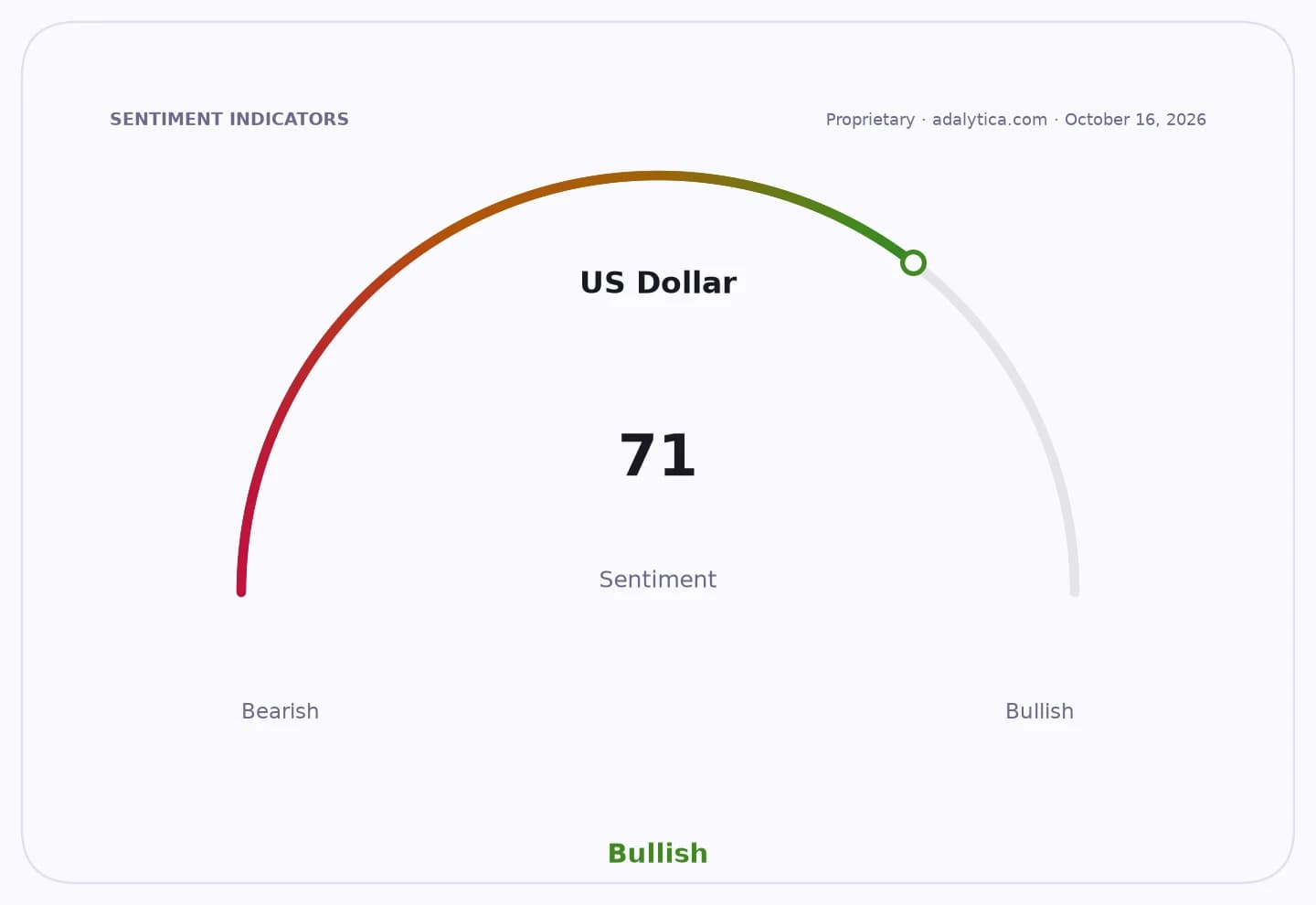
Sentiment IndicatorsⓘProprietary · adalytica.com · October 19, 2026
This is a snapshot — live sentiment, awareness and momentum for 130+ markets update continuously in the dashboard.Open AlphaPulse

That tension matters because bank fees are not a trivial side business. In a sector where margins are under pressure from competition, regulation and slower loan growth, foreign-currency charges can meaningfully support non-interest revenue. But the same fees also carry reputational and political risk, especially when public frustration builds over the cost of basic banking services. Reyme’s question — whose money is it, exactly? — frames the issue in a way that is likely to resonate with consumers and lawmakers alike.
For investors, the immediate question is whether the debate stays rhetorical or turns into policy. A clampdown on foreign-currency fees would not upend the sector, but it could trim a profitable fee stream and force banks to compete more aggressively on service pricing. That would be most relevant for lenders that rely heavily on retail transaction income and foreign-exchange operations, while larger banks with diversified revenue and stronger deposit franchises should be better insulated.

The backdrop is a banking industry that has generally been able to defend earnings. In India, banks such as HDFC Bank and ICICI Bank have just reported stronger profits, while SBI has been recognized as the world’s best consumer bank, underscoring how resilient fee and deposit businesses can be when credit quality is stable. But across markets, political pressure on bank charges tends to rise when customers feel squeezed, and this debate is unlikely to fade if policymakers decide that basic access to cash should not be monetized so visibly.
Banco de Chile’s shares have held up better than some peers, with the stock around $38.97 on Oct. 19, above both its 50-day and 200-day moving averages, suggesting investors are not yet pricing in a major earnings disruption. Still, the technical backdrop has softened from earlier in the year, with the stock below its recent highs and momentum indicators cooling, which leaves room for sentiment to shift if the fee debate broadens.
The broader lesson for banks is that pricing power is strongest until it becomes politically visible. If lawmakers move from criticism to regulation, the winners would be customers and businesses that move foreign currency frequently; the losers would be banks that have treated transaction fees as a dependable source of earnings.
| Entity | Gains | Losses |
|---|---|---|
| Bank customers | ▲Lower foreign-currency charges | ▼Fewer frictional costs |
| Retail banks | ▲Fee income and margin support | ▼Political and regulatory scrutiny |
| Lawmakers / A20 | ▲Consumer support and leverage | ▼Need to deliver policy follow-through |
| Foreign-currency traders / cash users | ▲If fees are curbed | ▼If access costs remain high |