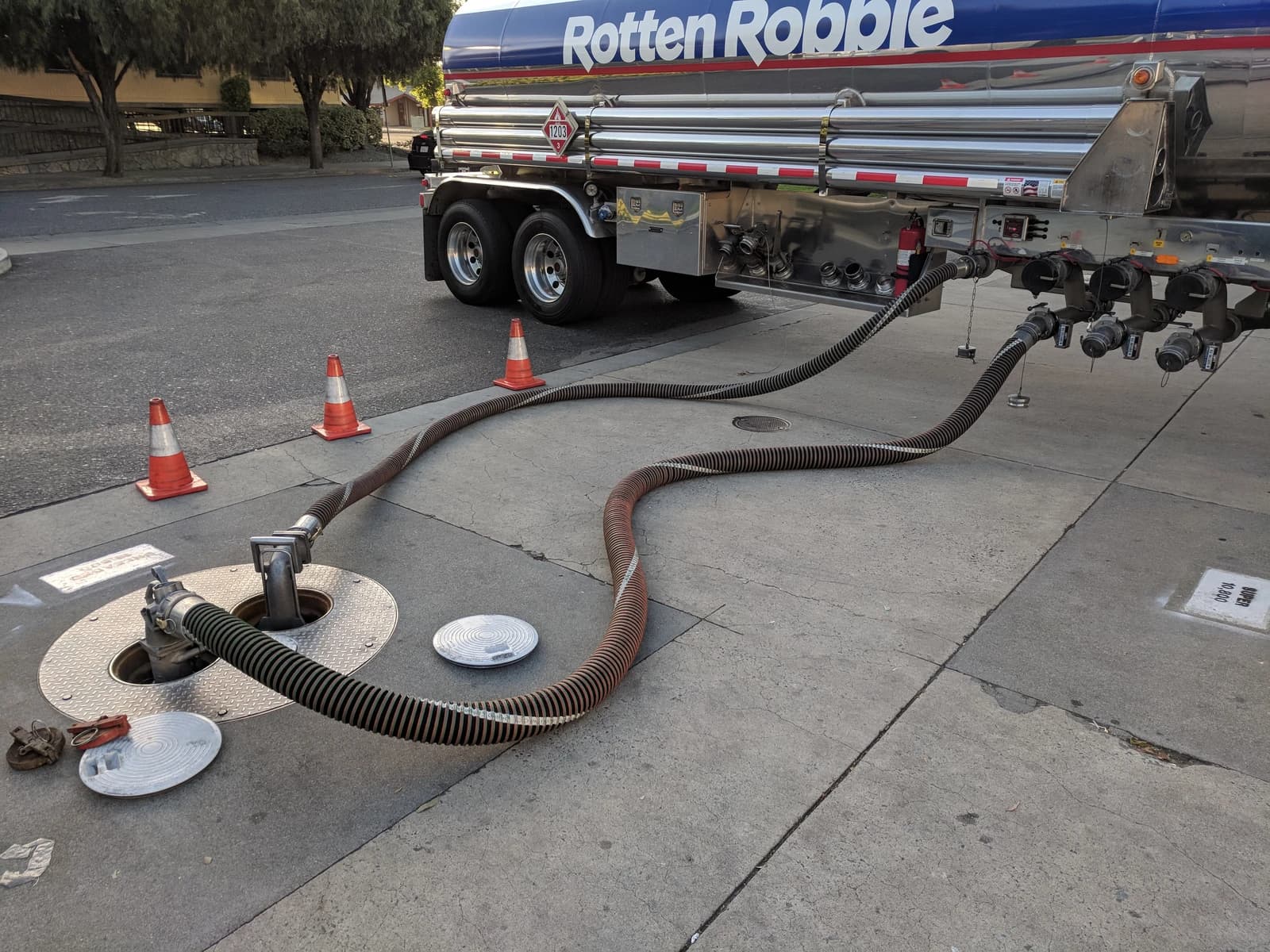
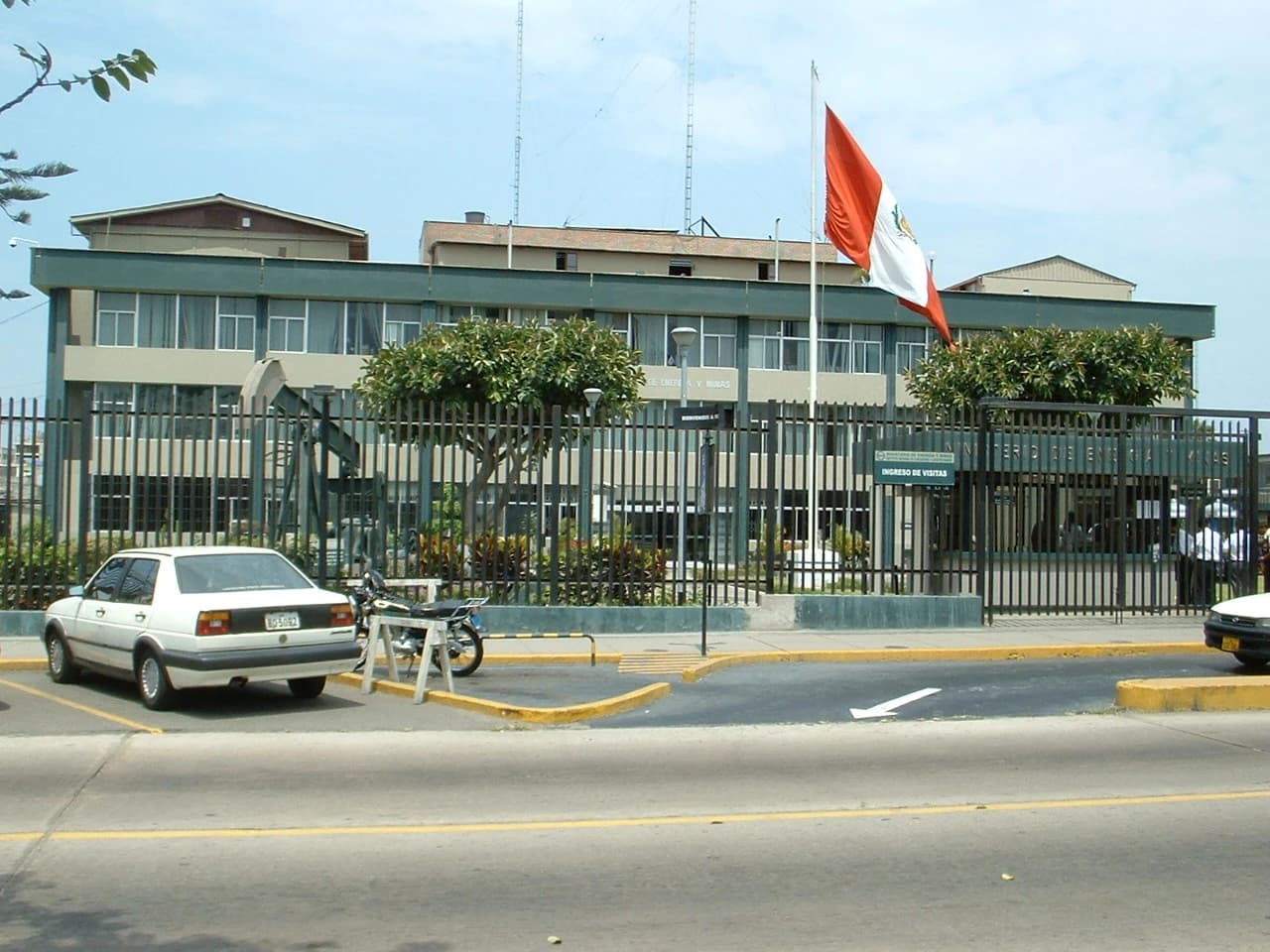
Lebanon raised gasoline and diesel prices again on Friday, adding another layer of pressure to consumers and businesses already facing a volatile global oil market and persistent domestic cost inflation.
Lebanon Raises Gasoline and Diesel Prices Again

The Directorate General of Oil said the price of a can of 95-octane gasoline rose by 31,000 Lebanese pounds to 2.602 million pounds, while 98-octane gasoline also climbed 31,000 pounds to 2.620 million. Diesel increased by 28,000 pounds to 2.474 million, while the price of a gas cylinder was left unchanged at 1.167 million pounds.
Sentiment IndicatorsⓘProprietary · adalytica.com · September 4, 2026
This is a snapshot — live sentiment, awareness and momentum for 130+ markets update continuously in the dashboard.Open AlphaPulse
The move matters because fuel remains one of the most immediate transmission channels from global crude prices to the domestic economy. Higher gasoline and diesel costs feed directly into transport fares, delivery expenses and power-generation costs, raising the odds of broader price pass-through in a country where households are already exposed to a weak currency and thin purchasing power. For businesses, especially freight operators, retailers and industrial users, the latest adjustment adds to working-capital strain and complicates pricing decisions.
The increase also reflects the renewed strain in global energy markets. Brent and US fuel benchmarks have been pushed higher by geopolitical risk, with oil prices briefly approaching the $100-a-barrel threshold as tensions in the Middle East intensified. US diesel prices have also spiked, underscoring tightness in refined-product supply rather than only crude itself. In market terms, that keeps pressure on import-dependent economies such as Lebanon, where domestic pricing formulas tend to lag but ultimately follow international moves.
For investors, the significance is less about a single tariff change than about the persistence of an inflationary impulse tied to energy. Higher fuel costs can erode consumer demand, squeeze margins in transport-heavy sectors and complicate the outlook for companies with limited pricing power. Airlines are especially exposed, because aviation fuel tends to track the same underlying rise in refined products, while manufacturers and distributors face higher logistics costs that can weigh on earnings.
The gas price holding steady offers only limited relief. It may suggest a temporary pause in one part of the domestic fuel basket, but the broader direction remains upward as long as crude and refined product markets stay elevated. Unless geopolitical risks ease or oil prices retreat, Lebanon’s fuel table is likely to keep moving higher, prolonging the squeeze on real incomes and corporate operating costs.
| Entity | Gains | Losses |
|---|---|---|
| Fuel importers/pricing authorities | ▲Pass through higher costs | ▼Manage consumer backlash |
| Oil producers/refiners | ▲Stronger product prices | ▼Risk demand destruction |
| Lebanese consumers | ▲None | ▼Higher transport and living costs |
| Transport, airlines, retailers | ▲Limited pass-through ability | ▼Margin pressure |