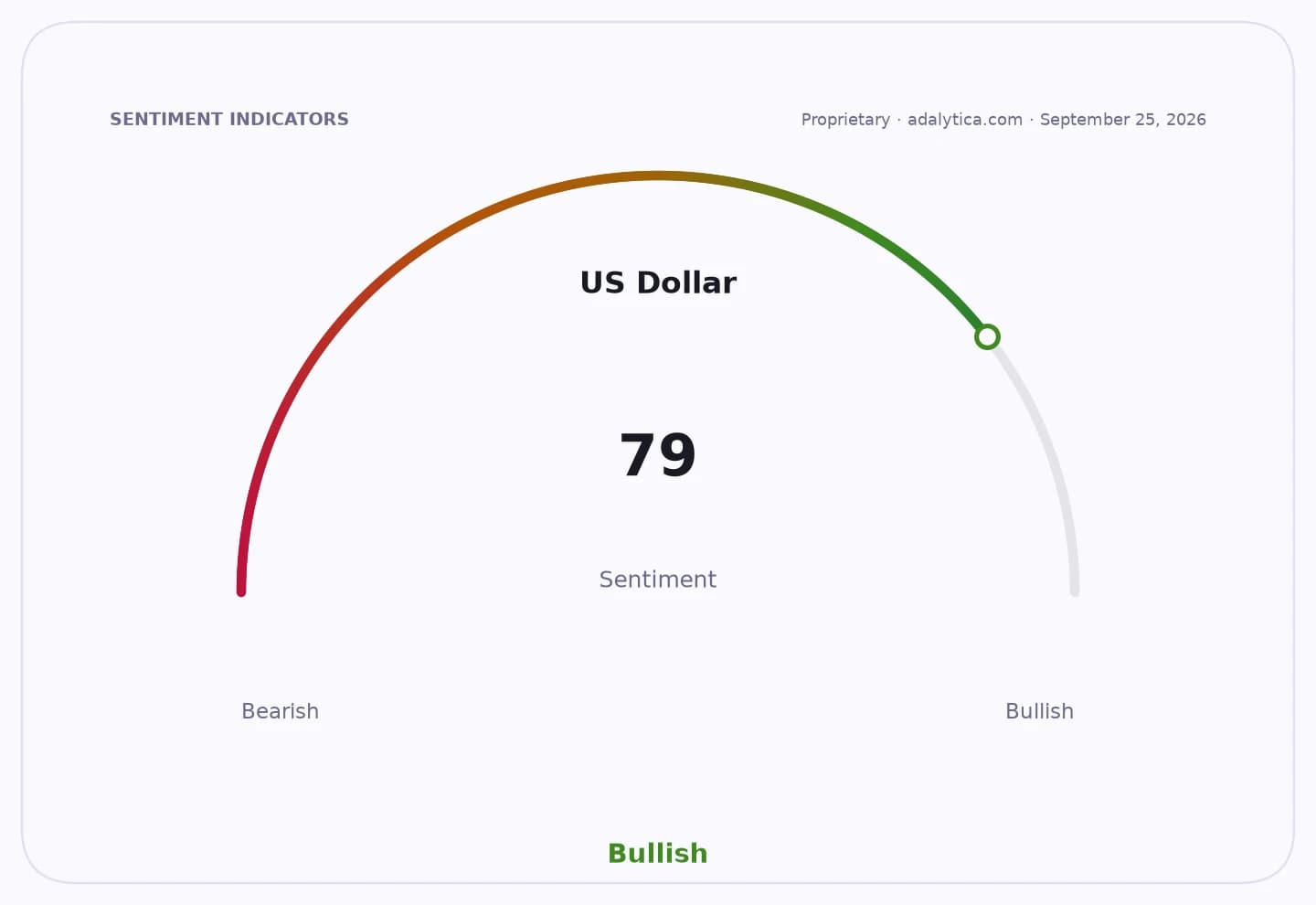
Libya’s deal to unify public spending is under renewed pressure as the dollar rises on the parallel market and the absence of financial data makes it harder to judge whether the government is sticking to the spending cap meant to stabilize the economy.
Libya Budget Deal Faces Pressure as Dollar Rises
The immediate risk is economic, not political: if spending is running ahead of revenue, the gap has to be financed through debt or fresh dinars, adding liquidity without a matching increase in dollar inflows or output. In a heavily import-dependent economy like Libya’s, that extra cash quickly turns into demand for foreign currency, widening the gap between the official rate and the market rate.
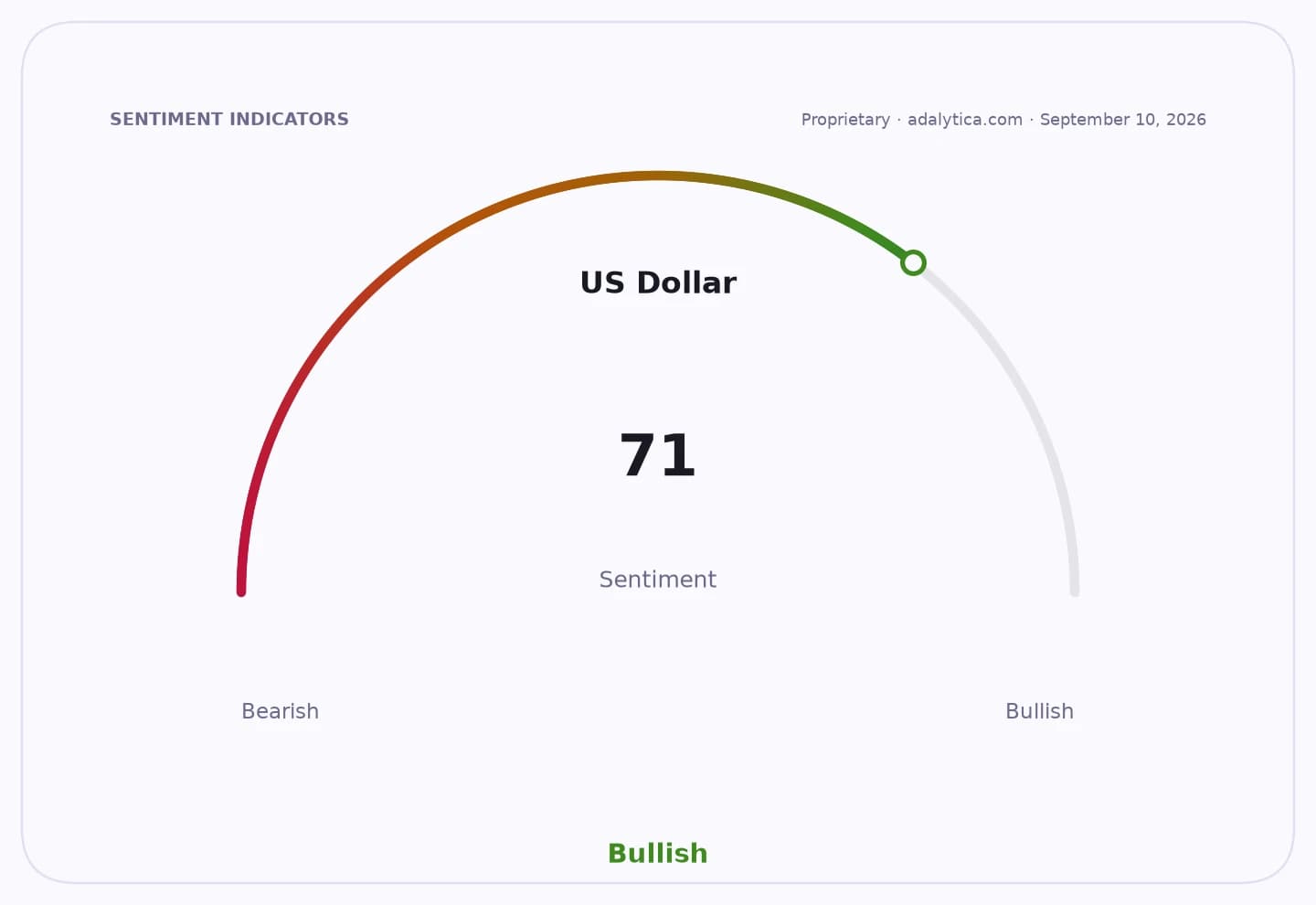
Sentiment IndicatorsⓘProprietary · adalytica.com · September 10, 2026
This is a snapshot — live sentiment, awareness and momentum for 130+ markets update continuously in the dashboard.Open AlphaPulse
Economist Idris al-Sharif said about 98% of government revenue used to fund public spending comes from selling oil dollars to the Central Bank of Libya at the official rate. That arrangement was the core of the spending-unification accord, which was designed to keep outlays within available revenue and reduce pressure on the exchange rate.
But al-Sharif and other economists argue the lack of published budget data leaves the impression that actual spending may be far above revenue. He said the dinar has weakened to 9.15 per dollar, a gap of more than 40% from the official rate, underscoring how quickly the currency split is feeding inflation, speculation and hoarding.
Adnan Navo said spending restraint should be seen as the first step in a broader reform program, not the whole answer. He pointed to Libya’s oil dependence, swollen public payroll, distorted exchange rate and wasteful spending practices as structural weaknesses that cannot be fixed while deficit financing continues.
The stakes are high for investors and counterparties because Libya’s exchange-rate stability remains tied to whether the central bank can keep spending aligned with actual oil revenue. If the gap persists, pressure rises on reserves, debt issuance and monetary credibility, while any devaluation or foreign-exchange fees may buy time rather than solve the underlying mismatch.
For now, the central question is simple: do the published numbers match the promise of a unified budget? Until that data is released, the spending accord will remain vulnerable to market skepticism, and the dollar’s climb will keep serving as the clearest real-time verdict on Libya’s fiscal discipline.
| Entity | Gains | Losses |
|---|---|---|
| Central Bank of Libya | ▲More policy credibility if data is published | ▼Confidence if spending stays opaque |
| Reform advocates | ▲Stronger case for spending restraint | ▼Less leverage without official data |
| Parallel-market dollar buyers | ▲Protection from dinar weakness | ▼Higher currency costs if pressure eases |
| Libyan households | ▲None | ▼Purchasing power, savings, import prices |