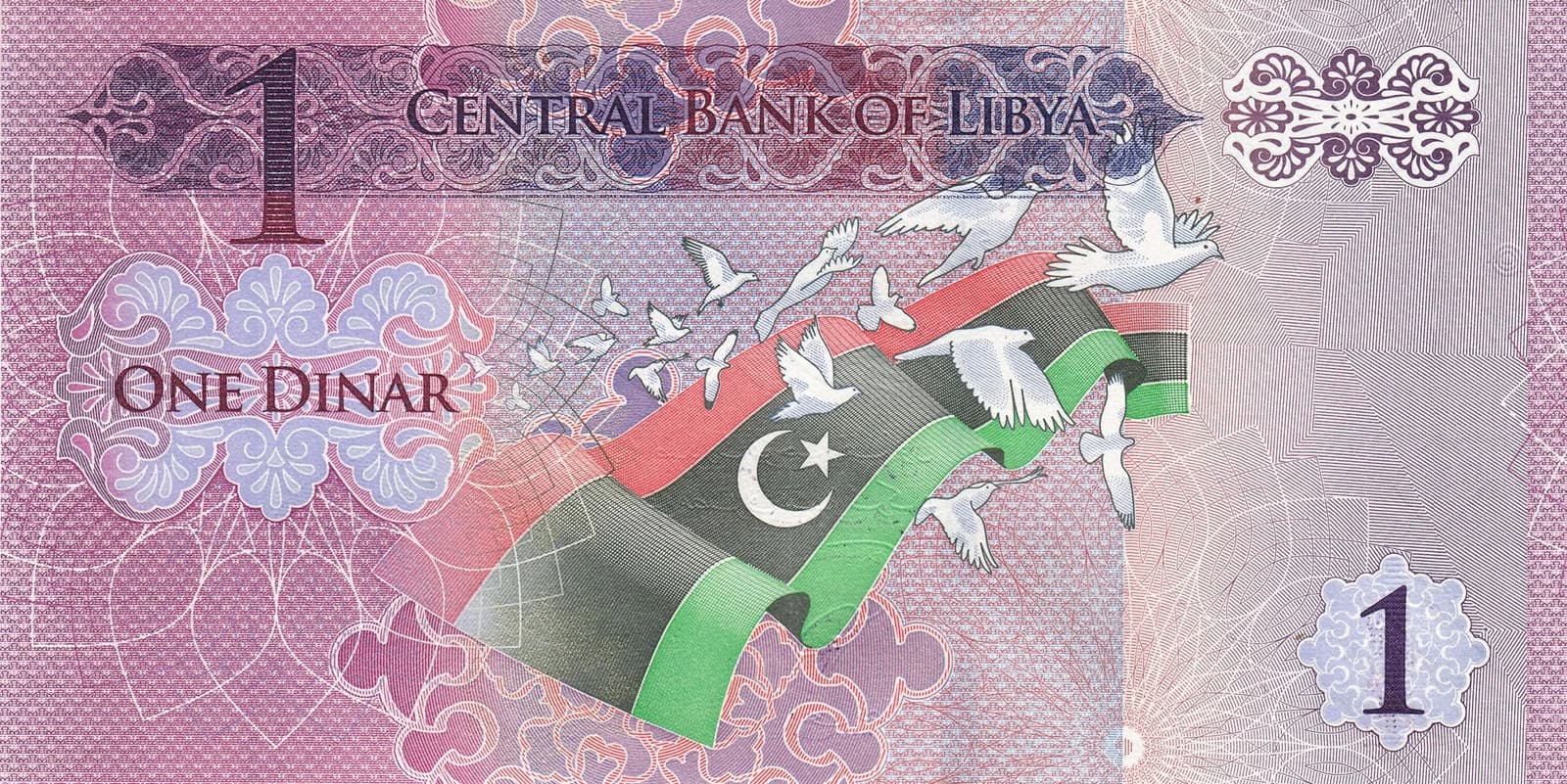
The US Federal Reserve has suspended transactions with Libya’s central bank, a move that threatens to complicate access to dollars for a country already under pressure from a weaker dinar and a larger parallel market.
Libya central bank faces Fed transaction suspension
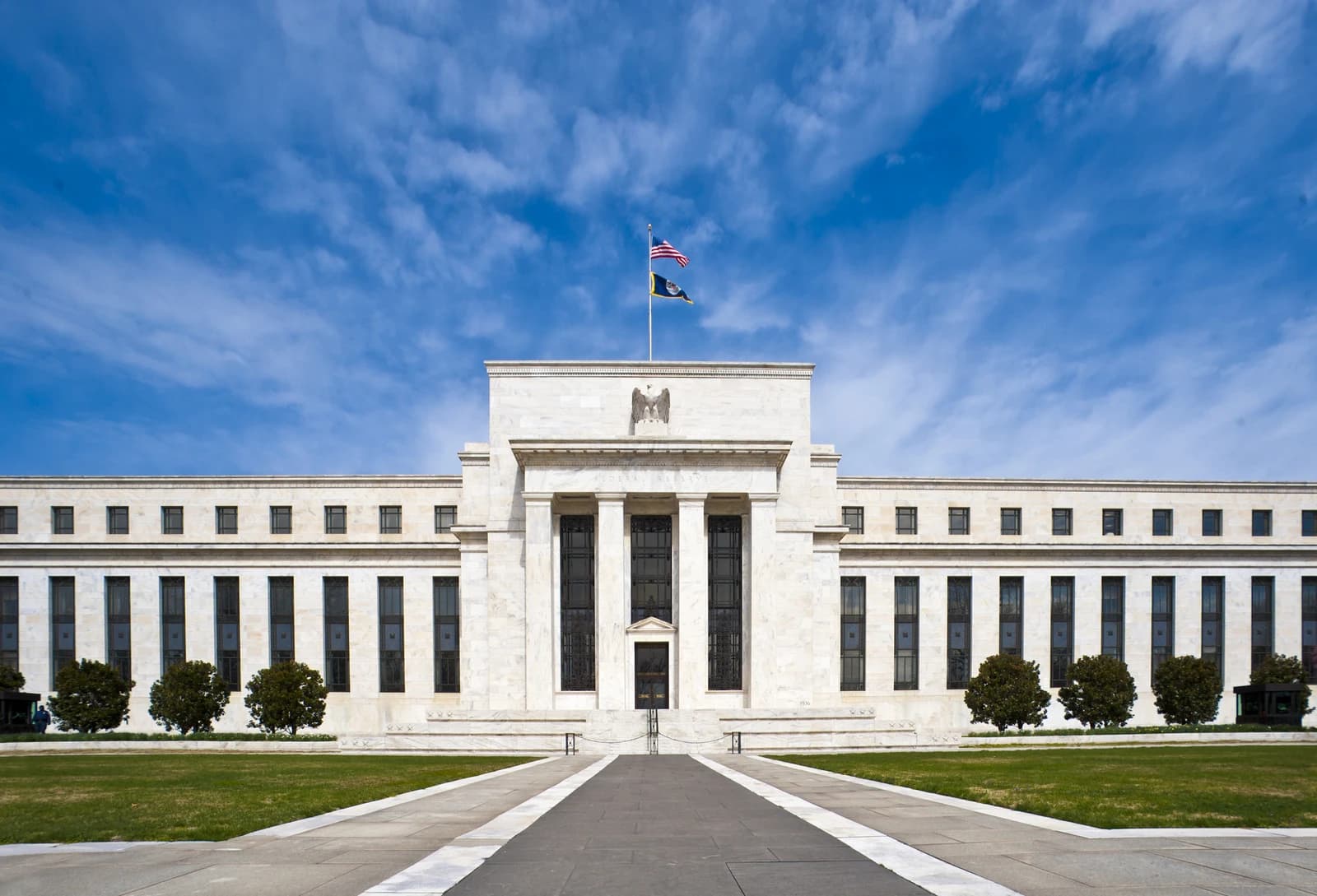
The decision, reported by Africa Intelligence, came after the appointment of Fawzi Abu Khazam as governor on Oct. 22 and reflects US concerns over the legality and transparency of the transition, rather than an outright cut-off of Libya’s foreign-exchange reserves. The central bank still controls about $63 billion in foreign assets, but the freeze on Federal Reserve dealings matters because Libya relies on dollar settlement to move oil revenues, fund imports and keep the banking system functioning.
For investors and counterparties, the immediate significance is not a balance-sheet crisis but a payments and confidence problem. If the Fed is withholding ordinary transactions while it seeks clarification on the governor’s legal status, that raises the risk of delayed trade finance, tighter liquidity in the formal banking system and further reliance on the street market. That tends to widen the gap between the official and parallel exchange rates, increase import costs and intensify inflationary pressure in an economy already struggling with fragmented institutions.
The episode also underlines how much Libya’s monetary system remains hostage to political bargaining. Abu Khazam took control of the Tripoli headquarters while former governor Naji Issa was abroad at IMF and World Bank meetings, and his appointment was only formally approved by parliament on Nov. 2. The move was backed by parliament speaker Saleh al-Saleheen Abdel Nabi and by Mohammed Takala, head of the High Council of State, but not fully normalized with all branches of the Libyan state until after the fact — the kind of disputed succession that can unsettle correspondent banks and regulators in the US and Europe.
That matters economically because the central bank is one of the few national institutions still capable of transmitting liquidity across Libya’s fractured landscape. If correspondent access is impaired, the costs are felt first in importers, commercial banks and the public sector, but the effects can spread into fuel, food and consumer prices. The Fed’s action also gives foreign institutions another reason to remain cautious about Libyan counterparties until the governance dispute is settled.
There is still a bear case for minimizing the damage. The Fed suspension may be temporary, designed to force clarification rather than to punish Libya, and the country’s external reserves provide a buffer. Yet the bigger risk is that even a short interruption hardens into a broader de-risking cycle if US authorities remain unconvinced about the central bank’s chain of authority. For Libya, that would mean more pressure on the dinar, more strain on import finance and less room for the government to stabilize the economy.
| Entity | Gains | Losses |
|---|---|---|
| US Federal Reserve | ▲Compliance leverage | ▼Near-term bilateral ties |
| Libyan central bank | ▲Time to clarify status | ▼Dollar access and credibility |
| Parallel market traders | ▲Higher FX activity | ▼Formal banking system |
| Importers and consumers | ▲None | ▼Tighter liquidity and higher costs |