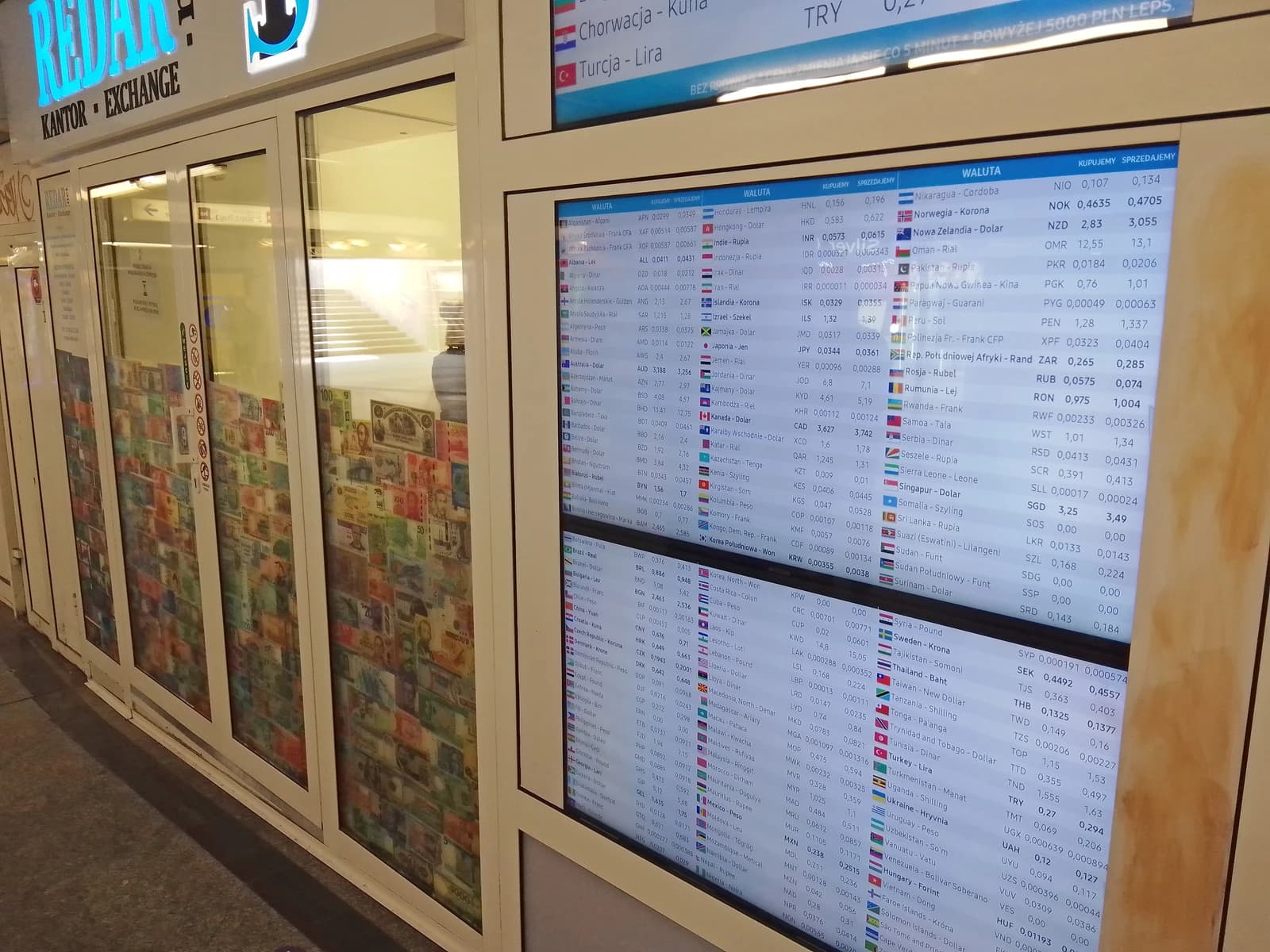
The Libyan parallel market closed with the dollar still above 10.60 dinars in cash and edging close to 10.90 dinars in documentary payments, underscoring how fragile foreign-exchange stability remains even as the central bank steps up efforts to rein in spending and tighten currency management.
Libya dollar stays above 10.60 dinars in parallel market
US Dollar
That matters because Libya’s economy still runs through the foreign-exchange market: oil revenue is the country’s main source of hard currency, but confidence in how those dollars are allocated determines whether importers, households and traders can access them at tolerable prices. When the gap between official and parallel rates stays wide, it feeds inflation, distorts import planning and erodes purchasing power — exactly the kind of pressure policymakers are trying to contain.
Sentiment Indicators
The latest pricing shows the gap is still very much alive. In trading rooms, the dollar cash rate was about 6 piastres higher than the closing price, while the documentary dollar and Turkey-linked transfers were also priced above the close, reflecting uneven liquidity and shifting demand through the day. The euro and pound also remained elevated in the parallel market, while gold held near 958 dinars for 18-karat scrap, a reminder that savers continue to look for hard-asset protection when confidence in the dinar is shaky.
Libya’s central bank is trying to attack the problem on two fronts. New governor Fawzi AbuKhazam has made unified budgeting and foreign-exchange discipline a priority since taking office in early November, and his meetings this week with the finance and economy ministers focused on syncing public spending with available revenue, curbing waste and improving data sharing. The central bank’s revamped monetary policy committee has already flagged the widening spread between the official and parallel exchange rates as a threat to prices and purchasing power.
For investors and businesses, the message is straightforward: until Libya can align government spending with earnings and improve the flow of foreign currency, the parallel market will remain the real price setter. That keeps pressure on import-heavy sectors, complicates pricing for consumers and leaves gold and foreign currency attractive hedges against dinar weakness. The near-term risk is not just another move in the exchange rate, but a deeper loss of confidence if reforms stall.
What comes next will depend on execution, not announcements. If the central bank can sustain tighter coordination with the government and reduce uncertainty around budget policy, the parallel market spread could narrow gradually. If not, the dollar’s grip above 10 dinars may harden into a durable feature of the Libyan economy — and that is a scenario investors in the country’s trade, import and cash-intensive sectors cannot afford to ignore.
| Entity | Gains | Losses |
|---|---|---|
| Dollar holders | ▲Preserve purchasing power | ▼Face policy risk |
| Importers | ▲Little near-term relief | ▼Higher input costs |
| Gold buyers | ▲Safe-haven demand | ▼Pay elevated prices |
| Central bank reformers | ▲Stronger mandate if reforms stick | ▼Credibility if the gap widens |