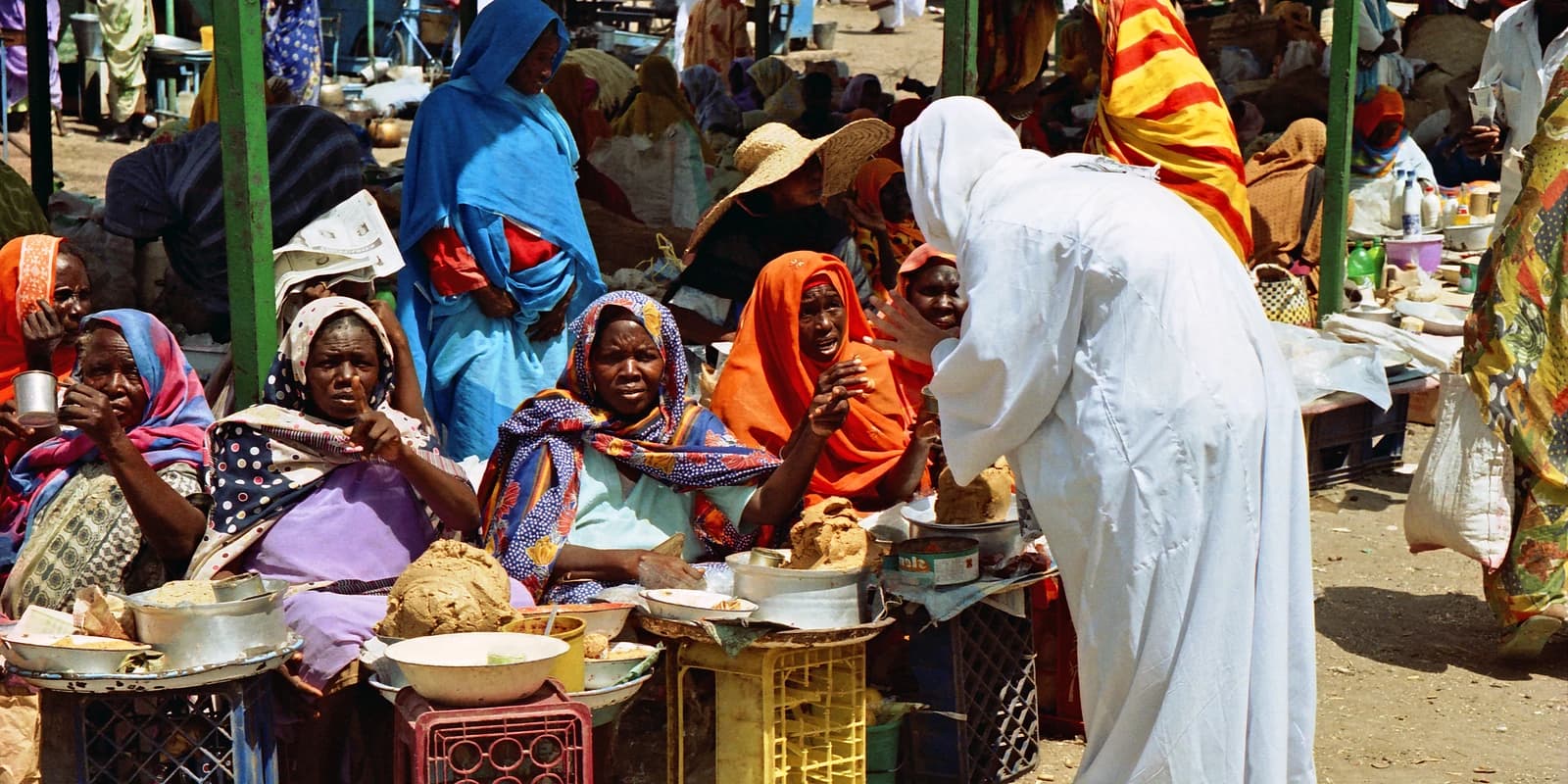
The Sudanese pound remained pinned near record weakness on Friday, with black-market dollar prices unchanged from the previous session as conflict, fuel shortages and a persistent shortage of hard currency keep pressure on the country’s informal foreign-exchange market.
Sudanese pound stays near record low on black market
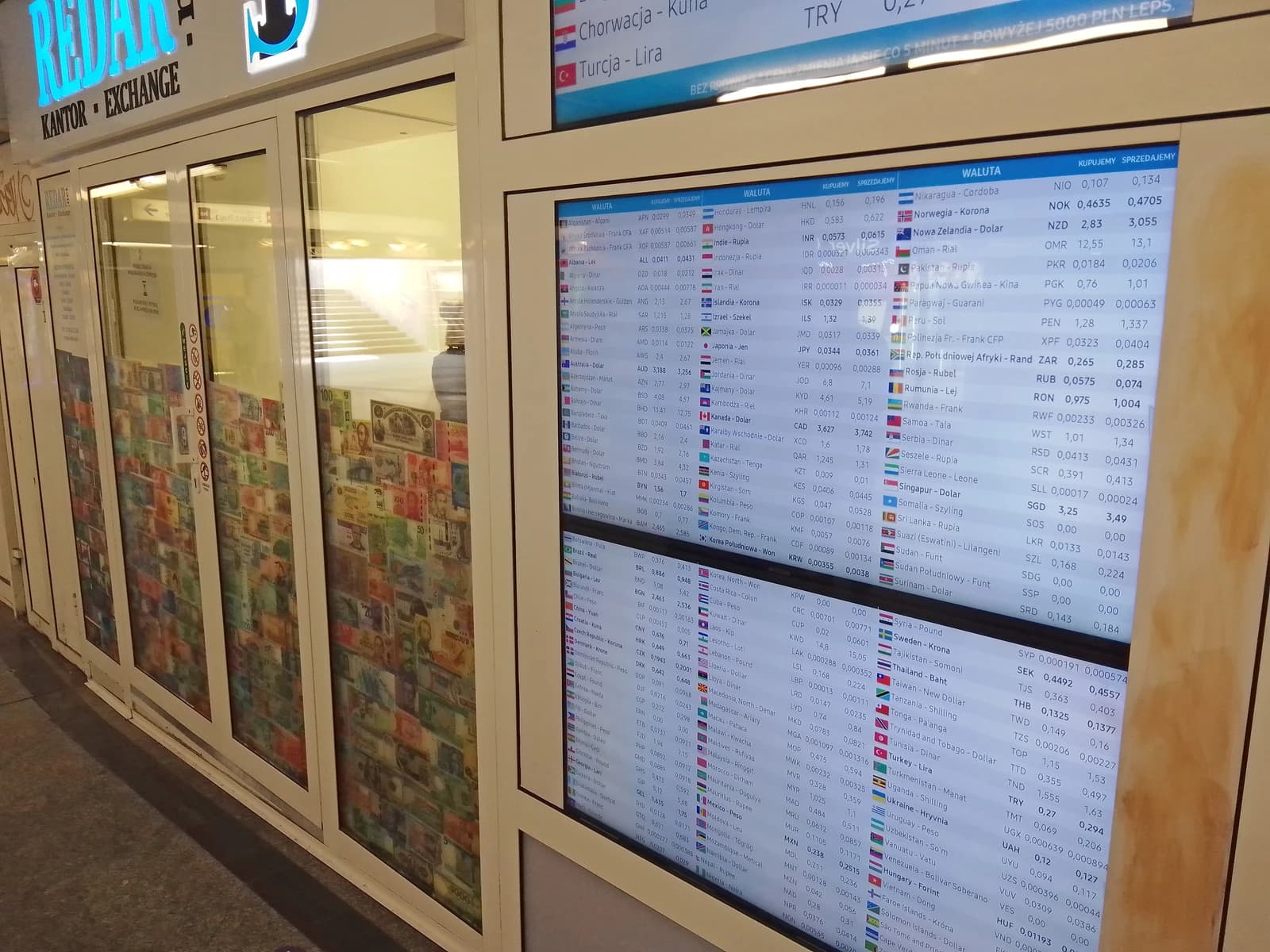
Traders quoted the U.S. dollar at 11,250 Sudanese pounds for purchase and 11,900 pounds for sale, broadly steady after a sharp run-up in recent weeks. The stabilization looks less like relief than exhaustion: in a market where official channels have effectively lost price discovery, the black market has become the main barometer of stress in a war economy struggling to secure imports of fuel, food and medicine.
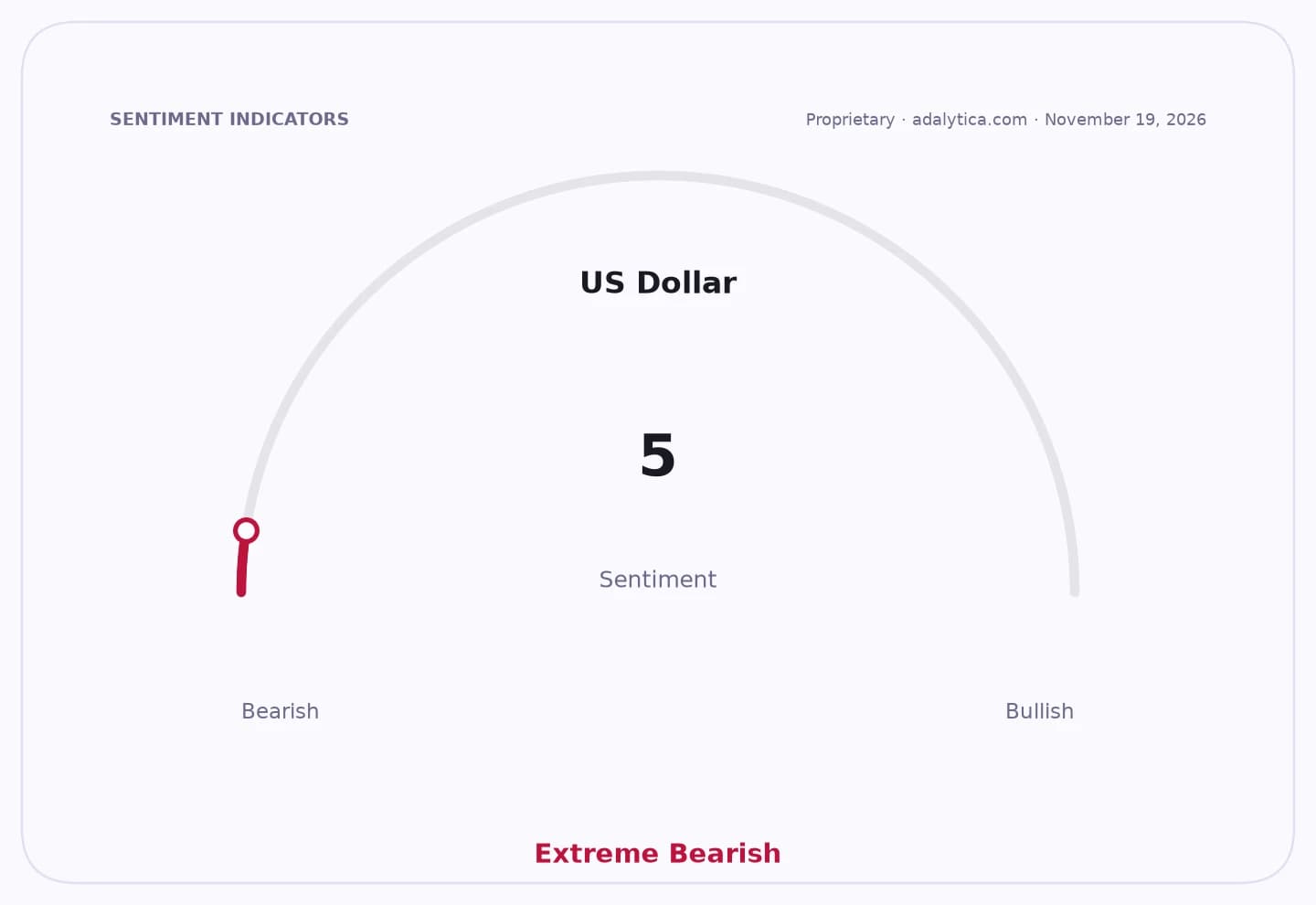
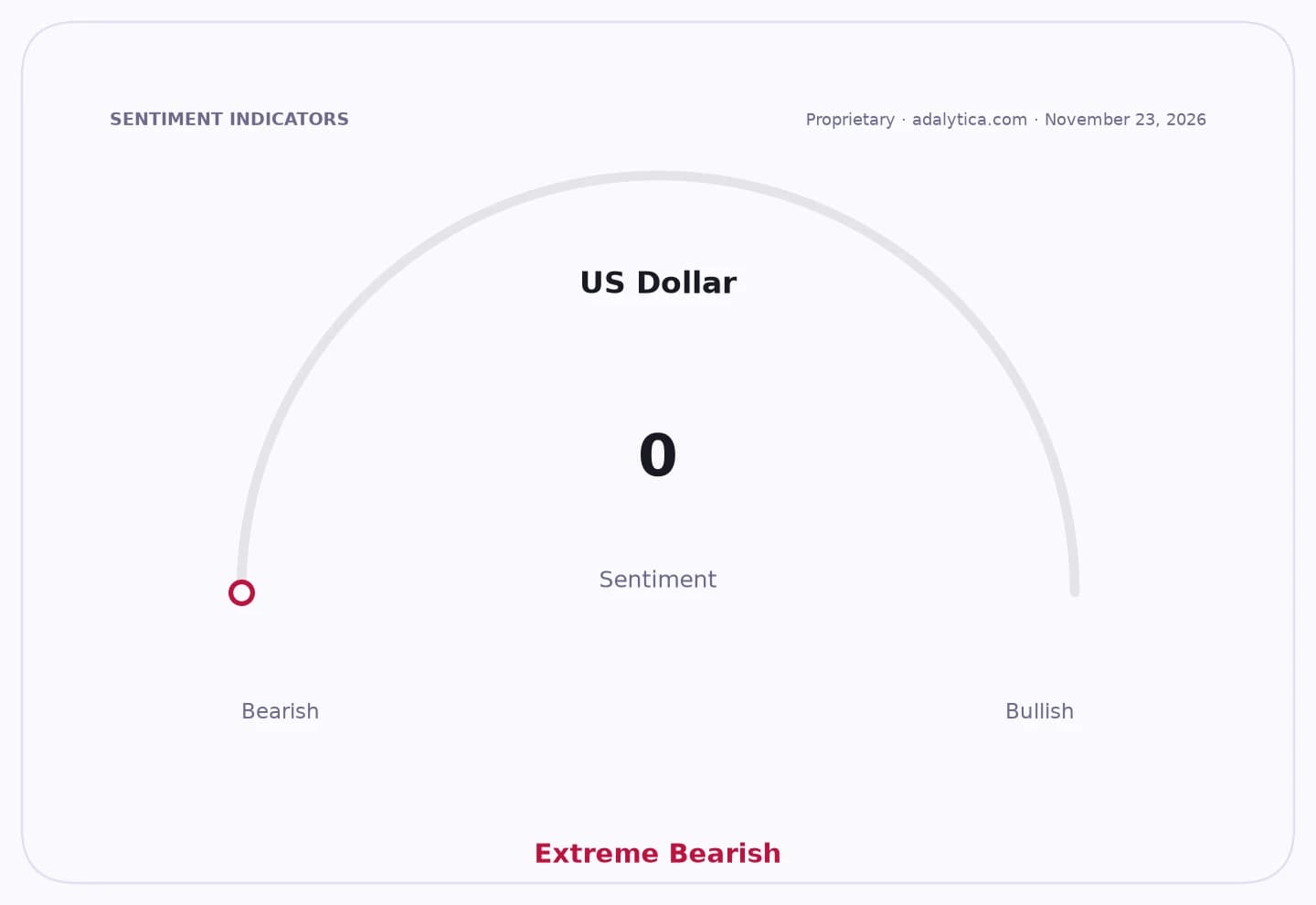
Sentiment Indicators
US Dollar
The implications are immediate for households and businesses. A weak and unstable pound raises the local-currency cost of almost everything Sudan depends on from abroad, while importers face widening spreads and greater difficulty sourcing dollars. That feeds directly into inflation, worsens shortages and deepens the cash crunch that has already been intensified by fighting between the army and the RSF paramilitary.
Other major currencies held elevated levels as well. The Saudi riyal was quoted at 2,950 pounds for purchase and 3,030 for sale, while the UAE dirham traded at 3,130 and 3,200. The euro was priced at 12,025 pounds to buy and 12,875 to sell, underscoring the breadth of the currency slide rather than a dollar-specific move.
The parallel move in gold and dollar-linked instruments adds to the picture. Gold remains a preferred hedge in periods of currency breakdown and capital flight, while the U.S. dollar index, measured by UUP, has held firm with its 50-day and 200-day moving averages both well below the latest close, reflecting a broadly supported dollar backdrop globally. Adalytica’s U.S. dollar trade signals also point to extreme fear in the dollar market, even as awareness of the trade remains elevated.
For investors and counterparties, Sudan’s currency market is less about a tradable asset than a signal of systemic risk. A pound that cannot find an orderly clearing level makes any rebound in domestic demand, banking activity or import financing harder to sustain. Until the conflict eases and foreign-currency supply improves, the black market is likely to remain the key venue for pricing Sudan’s economic distress.
| Entity | Gains | Losses |
|---|---|---|
| Dollar holders | ▲Preserve value | ▼Sudanese pound buyers |
| Importers | ▲None | ▼Pay more for goods |
| Gold traders | ▲Safe-haven demand | ▼Cash savers in pounds |
| Sudanese consumers | ▲None | ▼Face higher inflation |