Sudan’s inflation problem is becoming sharper in the cities, where annual price growth hit 48.97% in October, far above the 26.69% recorded in rural areas, as food costs continued to outrun the broader cost of living.
Sudan urban inflation hits 48.97% in October
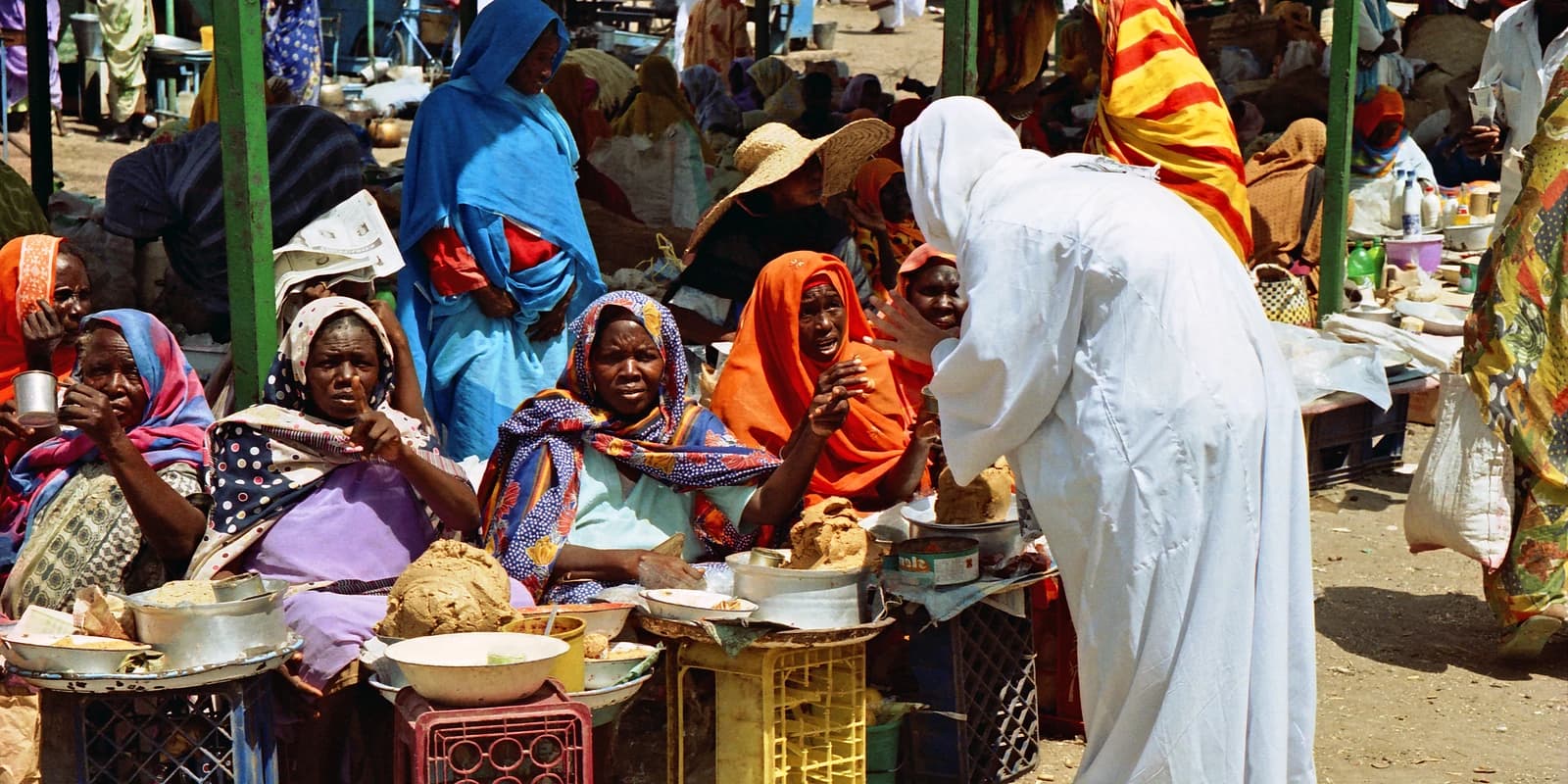
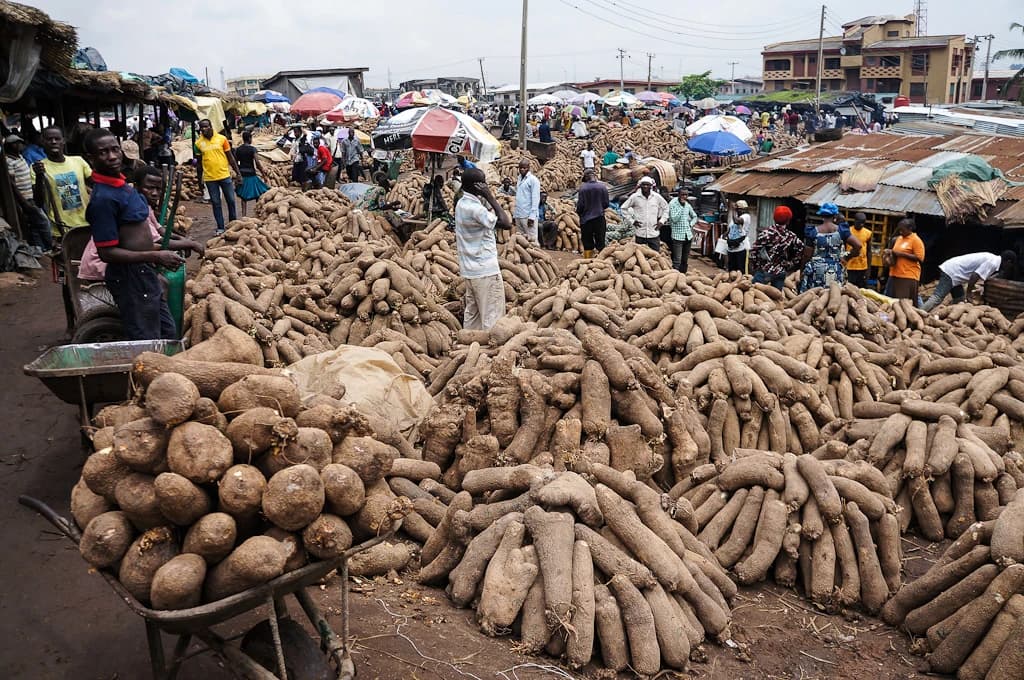
That gap matters because urban households depend more heavily on market purchases for basic goods and have less buffer from subsistence farming. With food and beverages up 57.23% from a year earlier, the latest figures point to a deeper squeeze on real incomes, a further erosion of household purchasing power and growing pressure on consumption in the country’s cash economy.
Sentiment Indicators
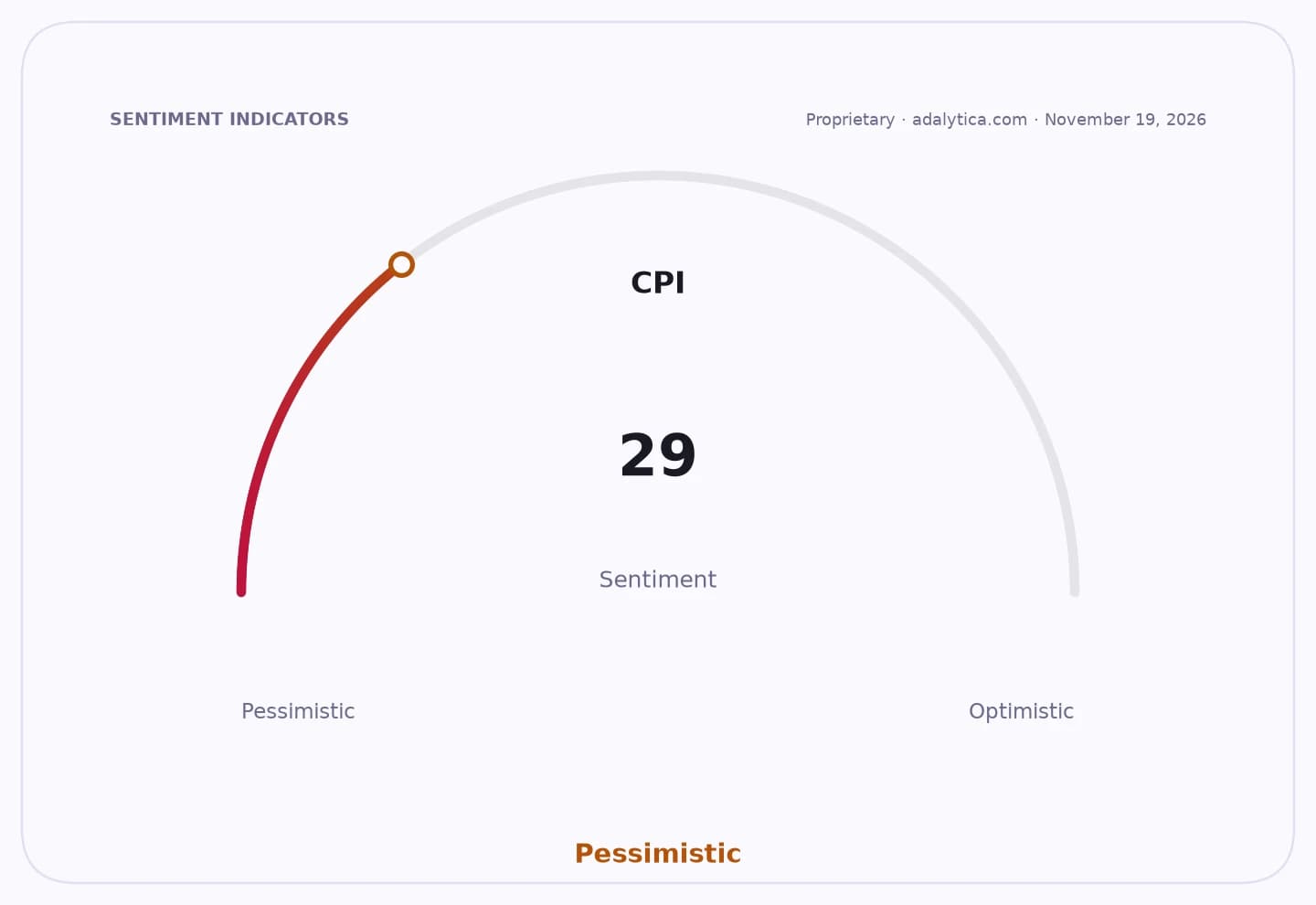
The central statistics agency said the overall consumer price index rose 6.23% in October from September, taking annual inflation to 34.88%. Food and non-alcoholic beverages were the main driver, climbing 15.27% on the month to 435,965.32 points, while the broader index rose to 848,259.39 points from 798,530.55 in September.
The urban-rural split underscores how the inflation shock is being transmitted unevenly. City residents, who typically buy more of their food, fuel and transport needs in local markets, are facing the fastest price increases. Rural households are being hit too, but the data suggest some relief from home production and lower dependence on purchased staples.
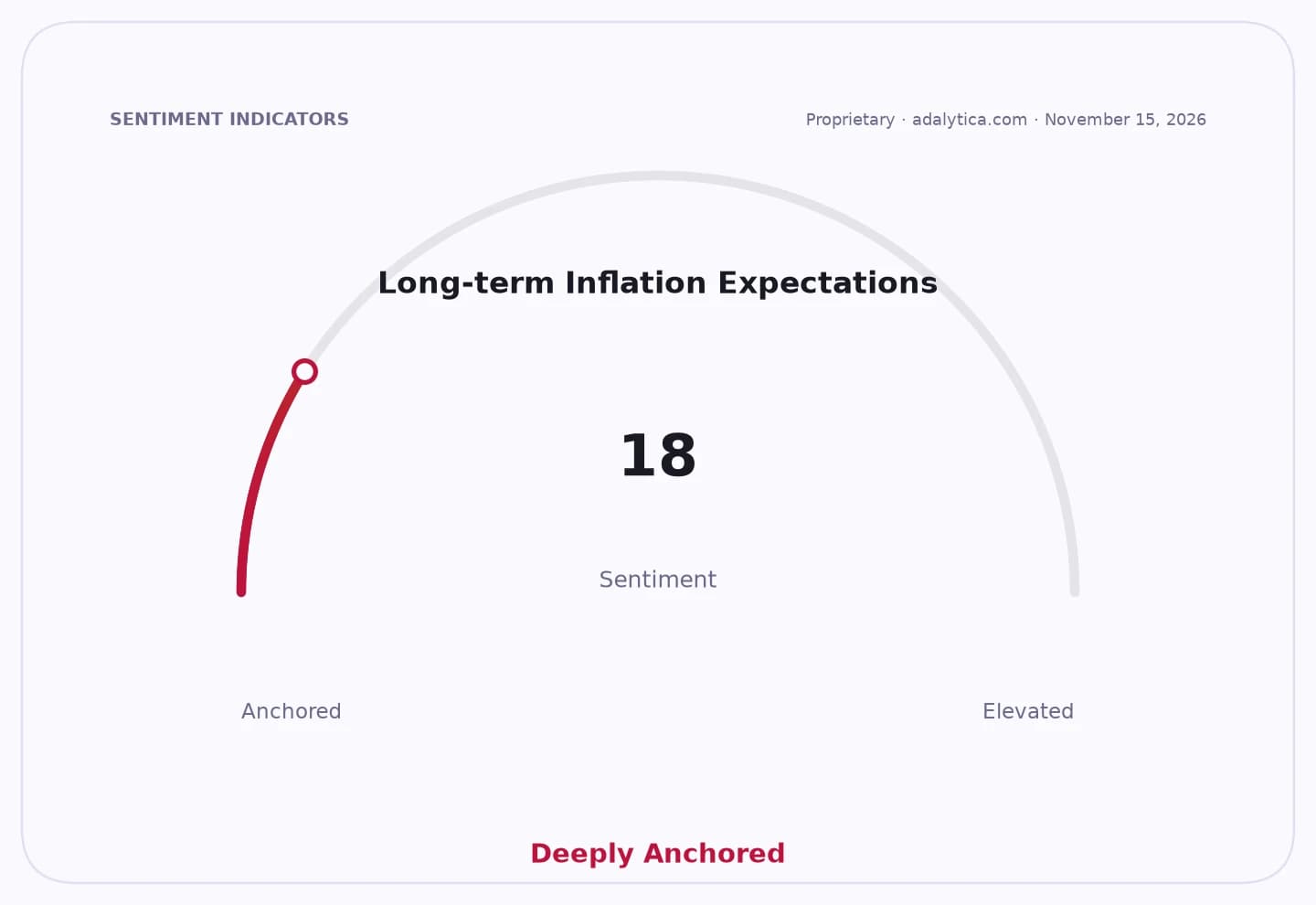
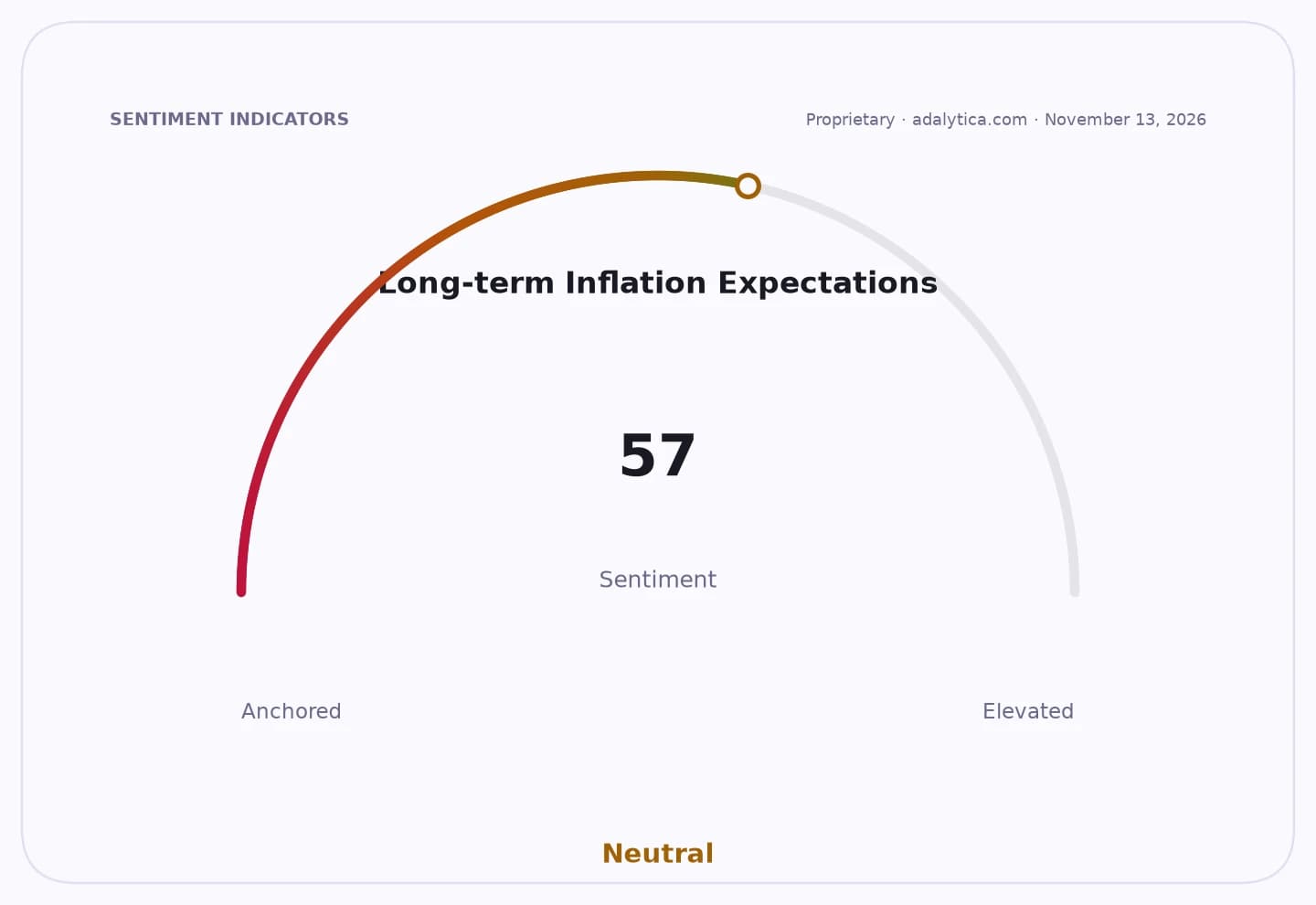
For investors and policymakers, the report reinforces the picture of an economy still trapped in a high-inflation, low-confidence environment. Persistently elevated food inflation can keep expectations unanchored, complicate any effort to stabilize the currency and make monetary policy less effective if supply shocks and conflict continue to dominate price formation.
The data also arrive as Sudan grapples with wider instability, including conflict-related disruption to trade routes, markets and food distribution. In that setting, the October numbers are less a one-off reading than evidence that inflation is becoming embedded in daily life, especially in the cities where wage earners and displaced families have the least protection.
Unless supply conditions improve and security stabilizes, urban inflation is likely to remain the main economic stress point to watch, with food prices the clearest channel through which Sudan’s crisis is feeding into households’ living standards.
| Entity | Gains | Losses |
|---|---|---|
| Urban households | ▲None | ▼Highest inflation burden |
| Rural households | ▲Relative price buffer | ▼Still losing purchasing power |
| Food sellers | ▲Higher nominal prices | ▼Demand destruction risk |
| Policymakers | ▲Clearer inflation data | ▼Less room to stabilize economy |