Nigeria’s inflation eased to 14.06% in October, but the relief is fragile and food prices remain the main risk for households and policymakers, keeping pressure on Abuja to lift domestic agricultural output.
Nigeria inflation eases to 14.06% in October
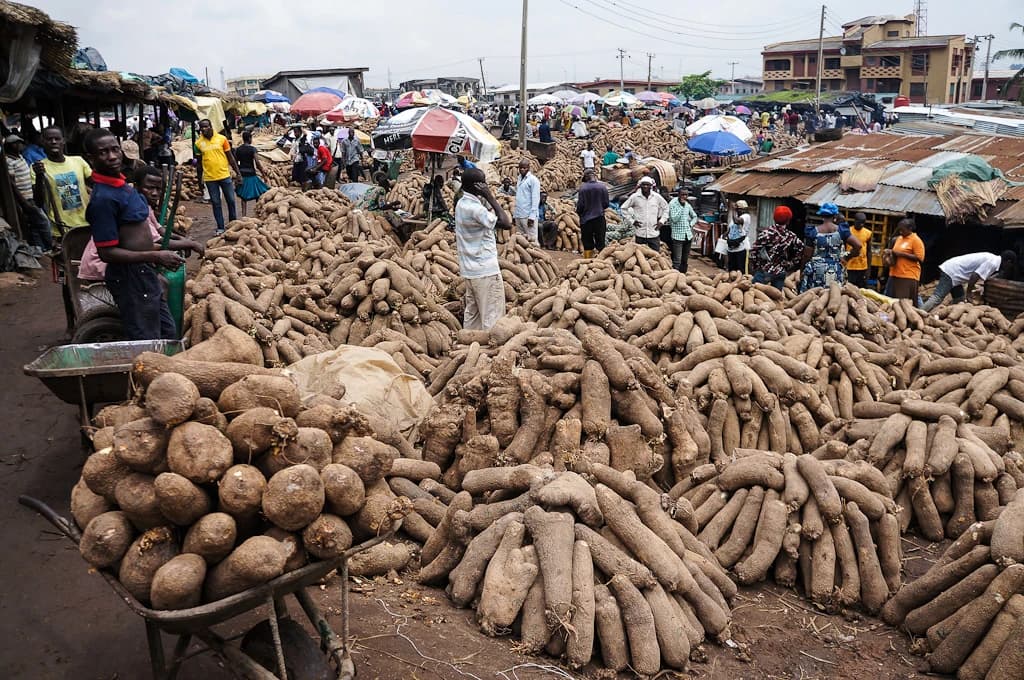
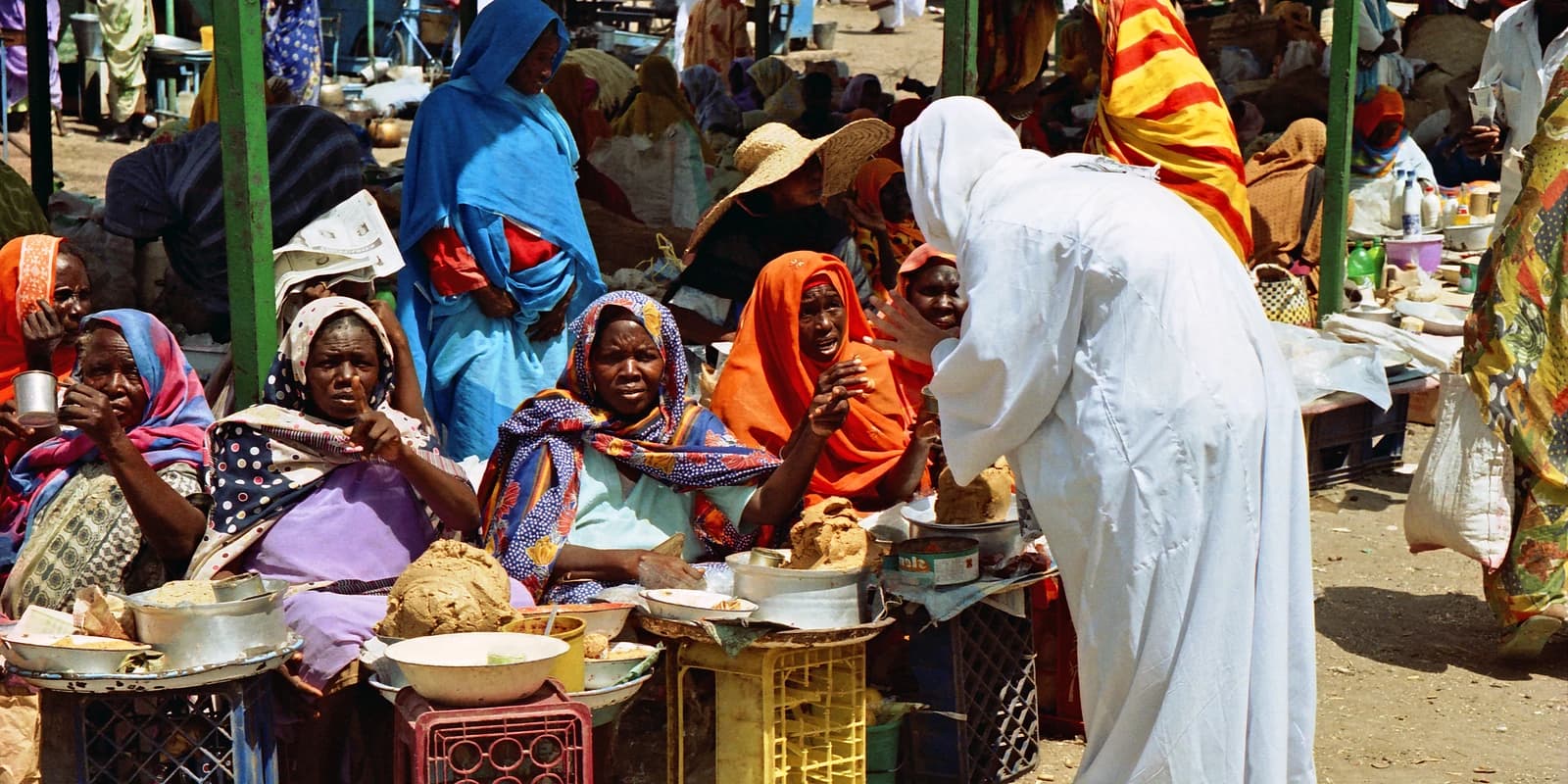
Analysts are urging the federal government to focus on food production because food costs still drive much of Nigeria’s price pressures. The latest reading came ahead of the Central Bank of Nigeria’s 308th Monetary Policy Committee meeting, where policymakers will weigh whether softer inflation is enough to justify any shift in stance.
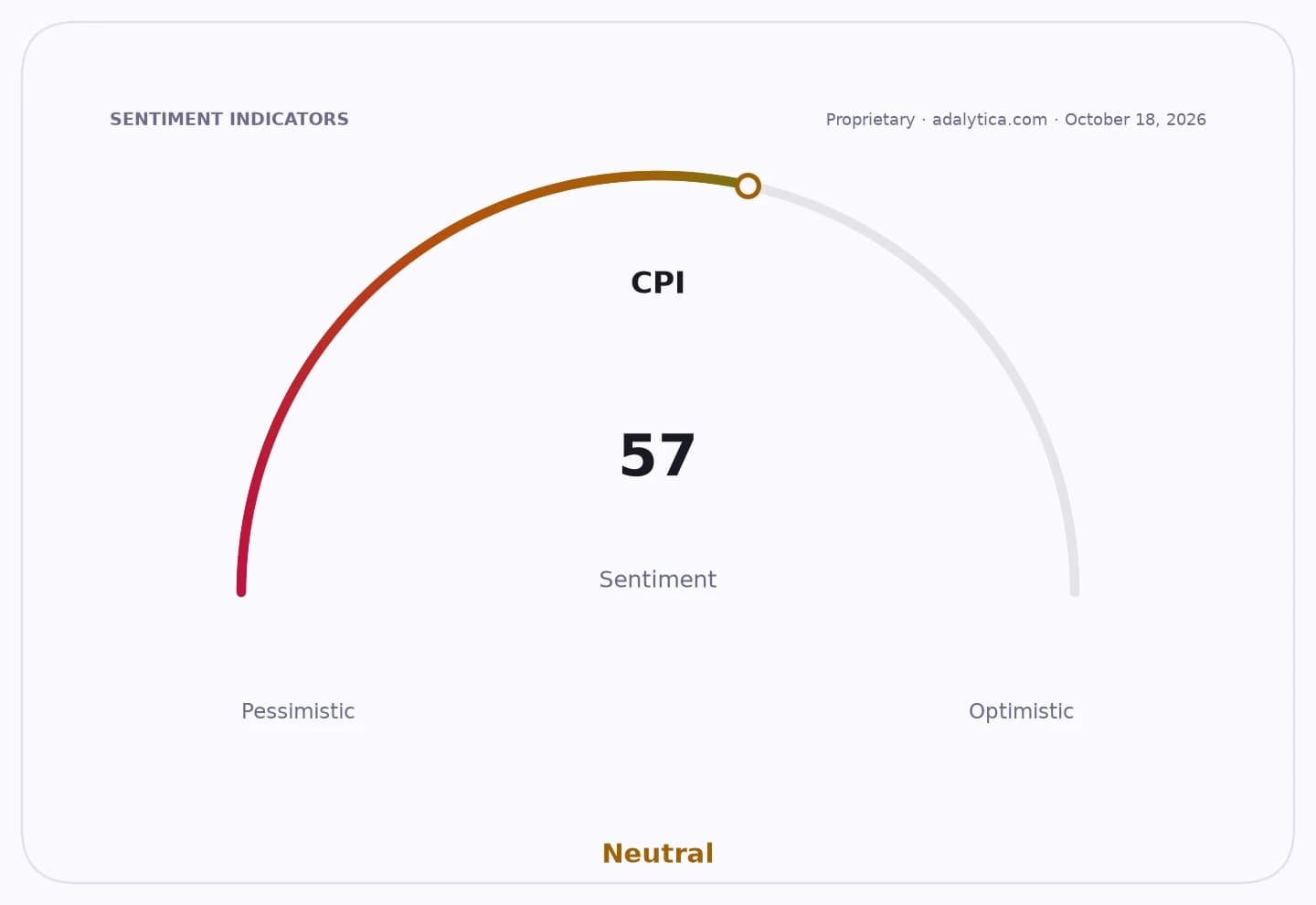
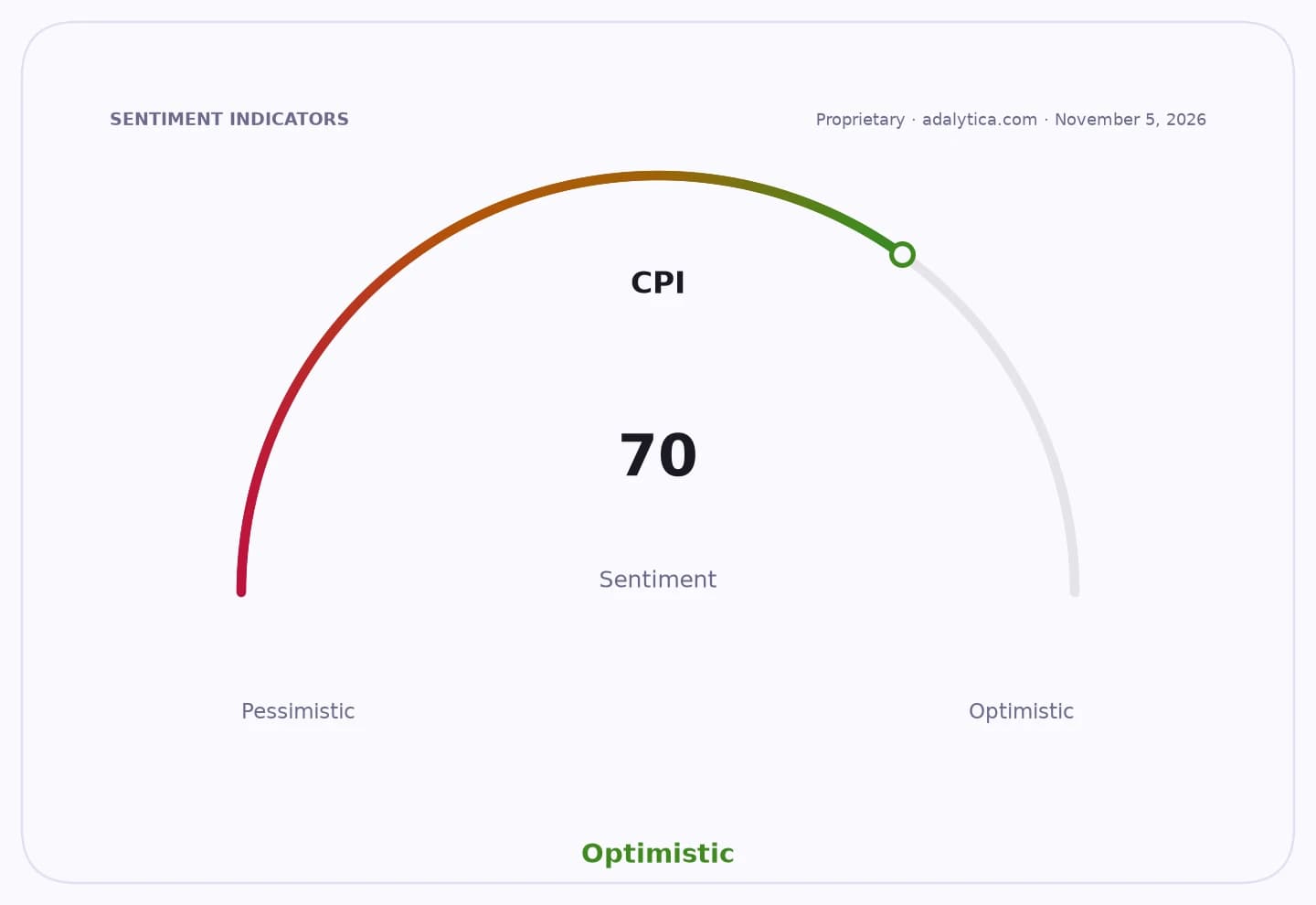
Sentiment Indicators
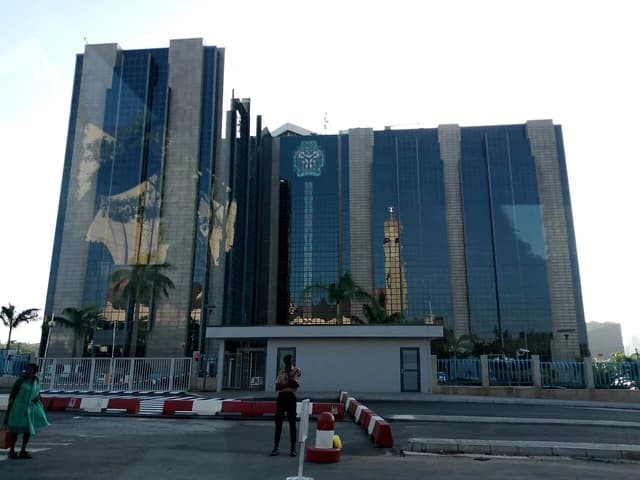
The message matters because Nigeria’s inflation problem is not just about currency weakness or imported goods; it is also a supply-side issue rooted in farm output, transport bottlenecks and weak processing capacity. Even as headline inflation moderated from earlier peaks, persistent food inflation can keep real incomes under strain and limit any rebound in consumer spending.
For investors, that means the inflation path will continue to shape rates, borrowing costs and equity valuations in Nigeria’s domestic economy. A more durable decline in food prices would support consumer stocks and household purchasing power, while renewed food spikes could keep pressure on the central bank to stay tight longer.
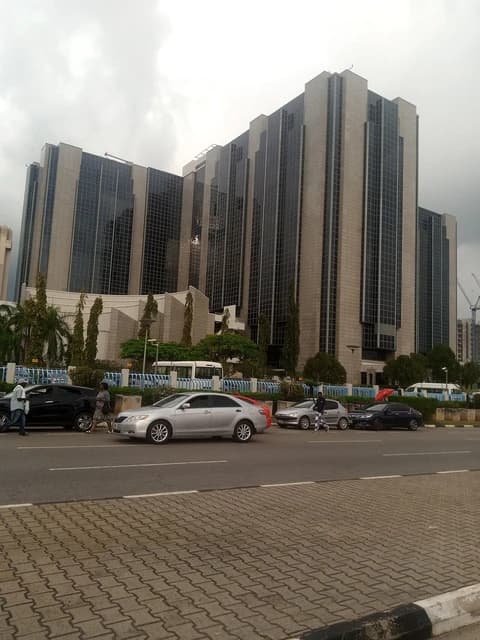
The policy focus also has broader significance for growth. Targeted incentives for food processing and value-chain development could help ease supply constraints, but any improvement will likely take time to filter through to prices. Until then, food security remains one of the clearest near-term risks to Nigeria’s inflation outlook.
| Entity | Gains | Losses |
|---|---|---|
| Nigerian households | ▲Lower food bills | ▼Persistent inflation strain |
| Central Bank of Nigeria | ▲Better inflation outlook | ▼Pressure to keep rates tight |
| Food producers/processors | ▲Policy support, higher investment | ▼Supply bottlenecks if reforms stall |
| Consumer stocks | ▲Potential spending recovery | ▼Margin pressure from weak demand |