Libya’s state wage bill is swelling far faster than headcount, raising fresh questions over fiscal discipline, budget credibility and the government’s ability to fund security, infrastructure and basic services without widening financing pressure.
Libya wage bill rises faster than public payroll
The Audit Bureau said total spending on Chapter One — the line item covering salaries and related pay — rose sharply as the number of employees in the public administration climbed to 2.17 million in 2025 from 1.77 million in 2020, a 22.6% increase. Average monthly pay per worker more than doubled over the same period, from 970 dinars to 2,319 dinars, while other Chapter One costs jumped to 12.7 billion dinars from 1.1 billion dinars, an increase of about 1,054%.
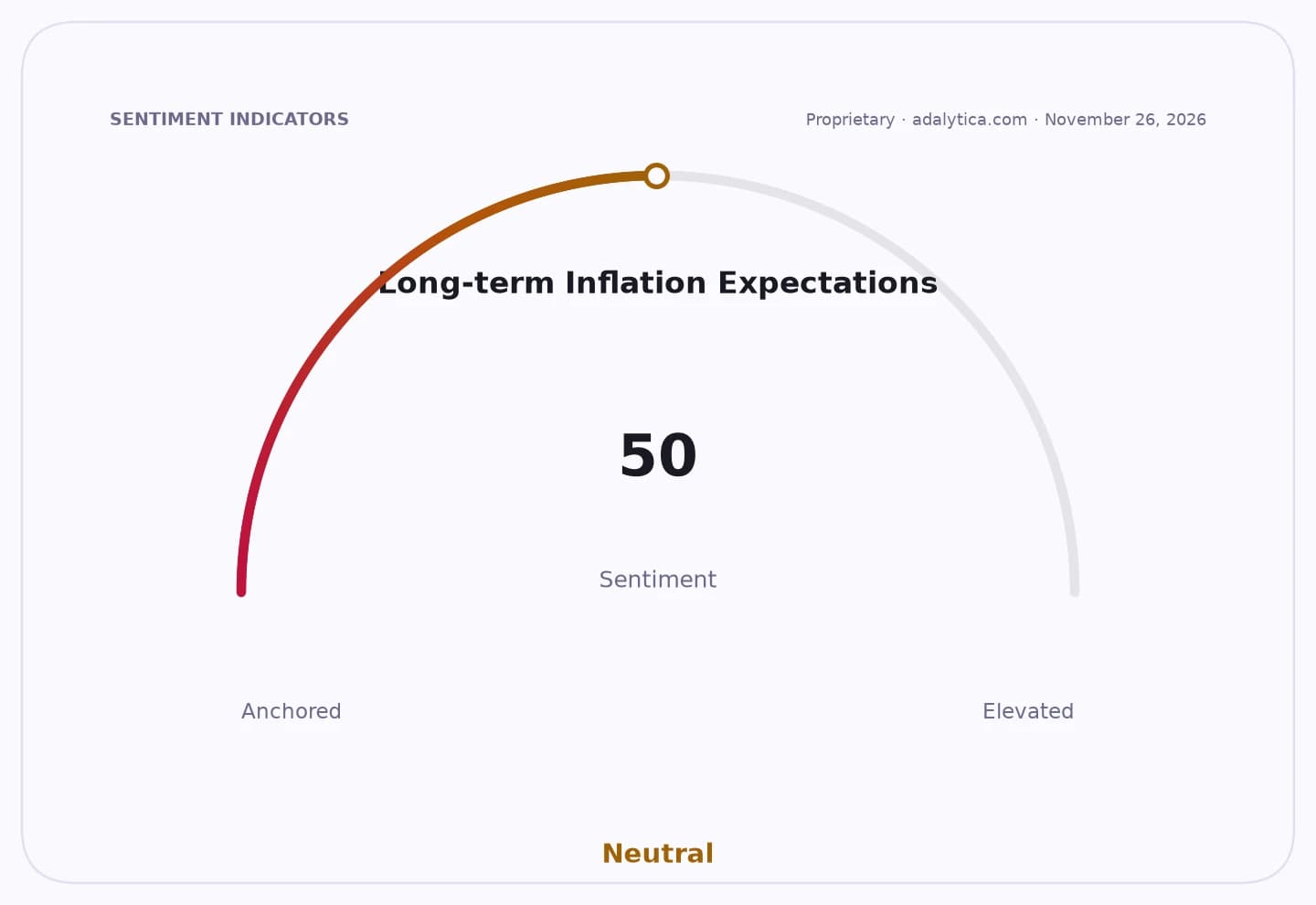
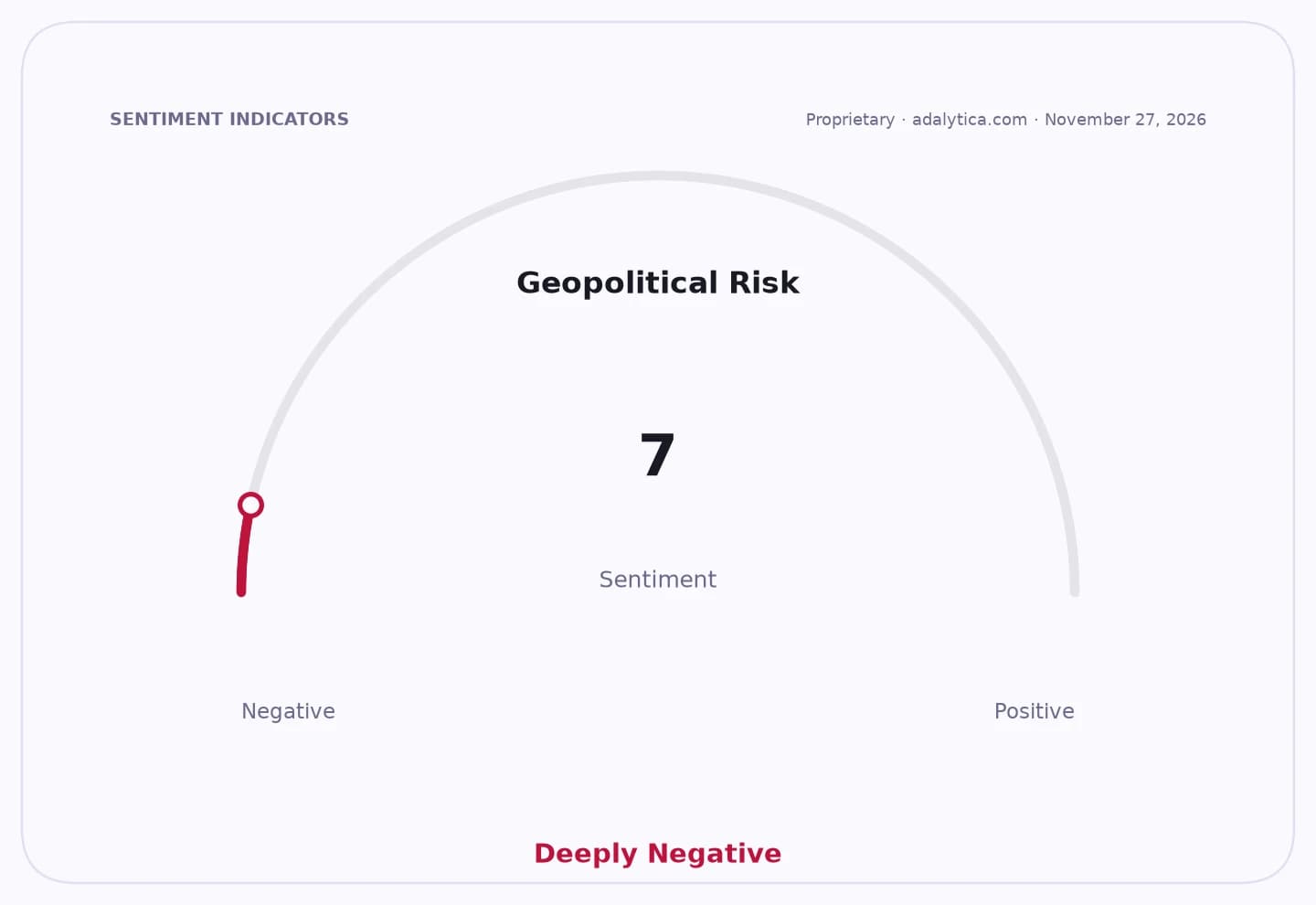
Sentiment Indicators
That pace of growth matters because Libya’s public finances remain heavily dependent on hydrocarbons and already face intense pressure from competing priorities. A payroll that expands faster than the economy typically crowds out capital spending, leaves less room for maintenance and services, and makes fiscal consolidation harder even when oil revenues are relatively supportive. In a country where the state is still the dominant employer, higher wages and staffing levels also risk embedding a structural spending burden that is difficult to reverse politically.
For investors, the numbers are a warning sign that fiscal outlays may remain sticky even if policymakers promise restraint. The immediate market implication is not about traded assets alone, but about the broader risk profile of sovereign finances, banks exposed to public-sector flows and contractors reliant on government spending. A rising wage bill can also complicate monetary and external stability by sustaining domestic demand and import pressure without a matching productivity gain.
The Audit Bureau’s figures also point to a second-order issue: the rise in “other” Chapter One spending to 21% of basic salaries suggests compensation costs are broadening beyond headline pay, potentially reflecting allowances, bonuses or supplementary benefits. That makes the total payroll burden less transparent and harder to control in future budgets, especially if wage adjustments are used to absorb social pressures.
The bull case is that higher public pay can support household incomes and consumption in the short term, while a larger civil service may help keep social tensions contained. The bear case is that the increase entrenches inefficiency, weakens budget discipline and reduces the state’s capacity to spend on productive investment. For Libya, the key test now is whether the government can rein in payroll growth before it becomes the main driver of fiscal strain rather than one component of it.
| Entity | Gains | Losses |
|---|---|---|
| Public-sector workers | ▲Higher pay and hiring | ▼ |
| Libyan government finances | ▲ | ▼Larger fixed spending burden |
| Households tied to state wages | ▲Near-term income support | ▼Crowding out of services/investment |
| Banks and contractors | ▲Continued government cash flows | ▼Higher fiscal-risk uncertainty |