Public-sector incomes in Bulgaria need another 1.2% increase, or just over 40 million euros, to keep pace with inflation this year, economist Luboslav Kostov said, putting fresh pressure on the 2027 budget just as the government is trying to balance higher social spending with a headline deficit target of 3.5%.
Bulgaria Public-Sector Wages Pressure 2027 Budget
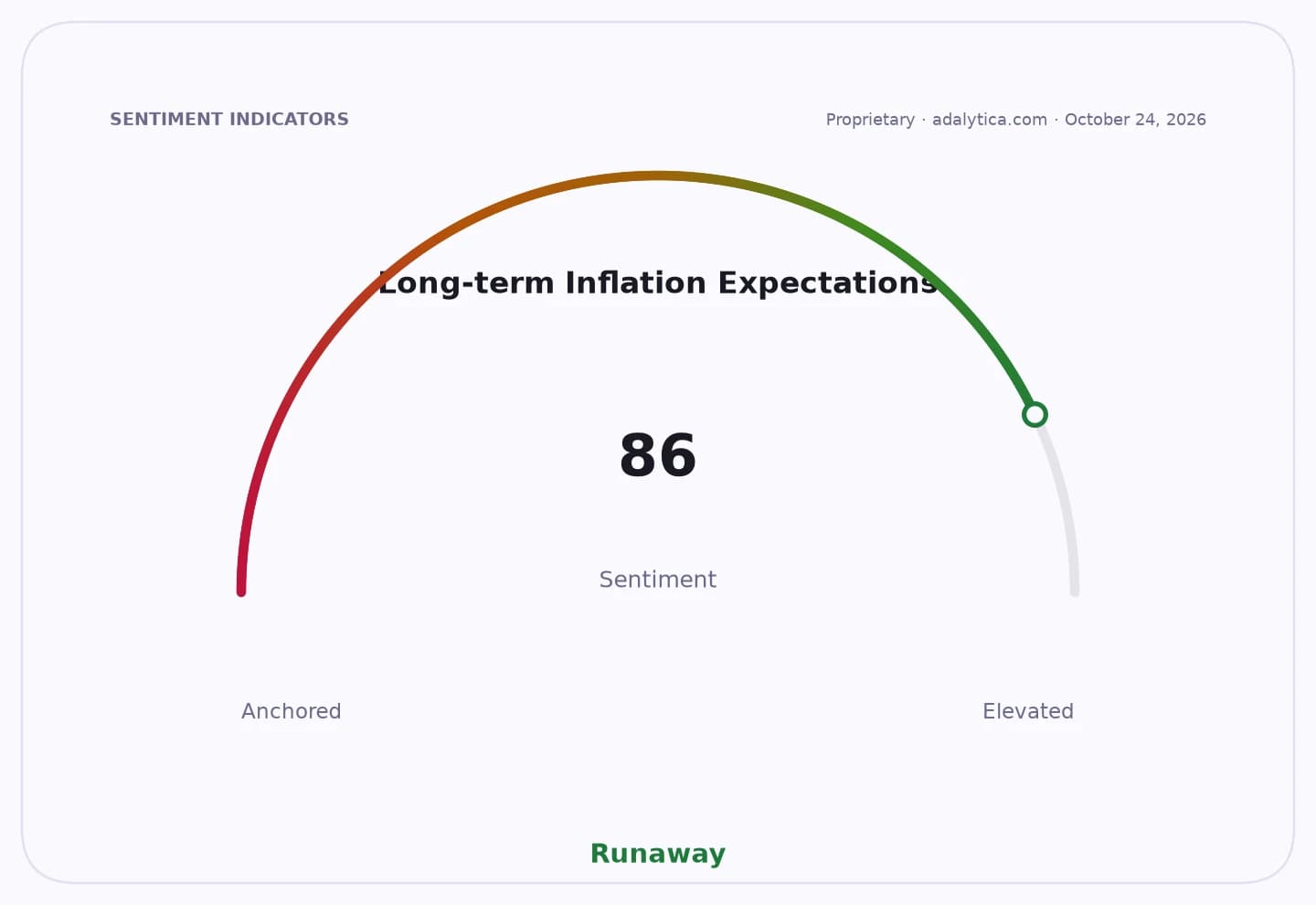
Long-term Inflation Expectations
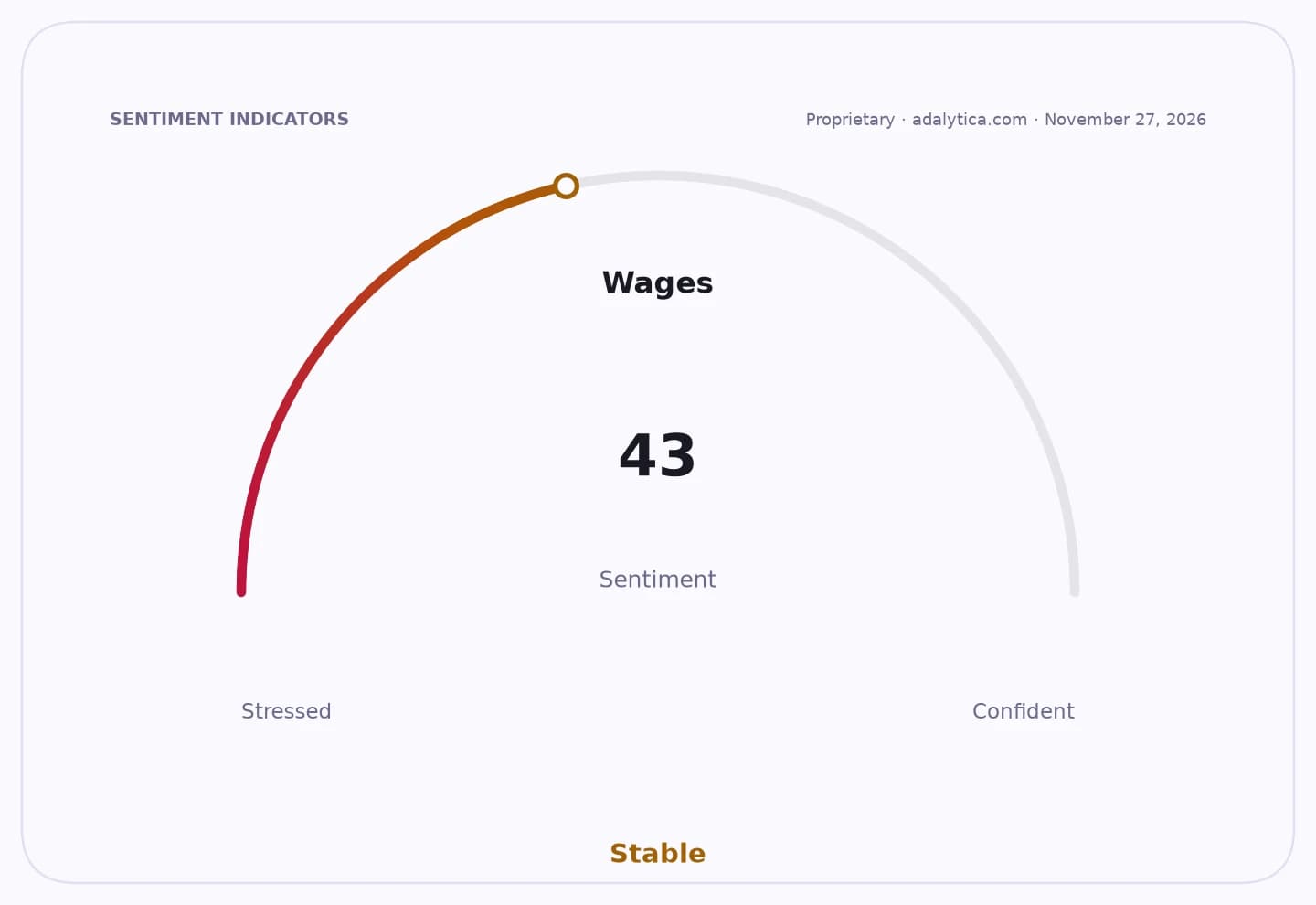
The proposal matters because it turns the inflation debate into a direct fiscal question: if wages in the state sector are not adjusted, real incomes fall; if they are, the bill has to be found somewhere else in the budget. Kostov said the money could come from revenue collections that run above plan, arguing that tax receipts may exceed forecasts by 400 million to 500 million euros, which could also help narrow the deficit below the current target.
Sentiment Indicators
That framing is important for investors and policymakers because it suggests Bulgaria may have more fiscal room than assumed, but not enough to escape trade-offs. A modest top-up for public-sector wages would support consumption and reduce pressure on households already facing higher prices, yet it would also keep wage costs elevated in a budget environment where the government is under scrutiny over spending discipline and the credibility of its medium-term fiscal path.
Kostov rejected the argument that wage growth is the main driver of inflation, saying price rises have been shaped more by supply bottlenecks and shocks in supply chains. That is a material distinction for markets: if inflation is demand-led, tighter wages can help cool it; if it is supply-led, holding down pay does little to solve the problem and risks eroding living standards instead. He pointed to the fact that wages rose 5% at the start of the year even as inflation was budgeted at 6.2%, underscoring the gap between nominal pay increases and real purchasing power.
The debate over the 2027 budget comes as the government has already approved a 5.3% rise in the minimum wage to 1,286 euros a month from next year, a move aimed at offsetting the loss of real income caused by inflation. But Kostov criticized changes to the formula for setting the minimum wage, warning that removing the automatic adjustment mechanism could slow future increases. For employers, that may ease labor-cost pressures; for workers, it raises the risk that pay will lag prices again.
The wider implication is that Bulgaria is entering another round of budget negotiations in which inflation, wages and fiscal restraint are tightly linked. If revenue does come in stronger than expected, finance officials may have room to absorb a modest public-sector pay adjustment without derailing the deficit path. If it does not, the government will have to choose between honoring wage expectations, trimming spending elsewhere or accepting a looser fiscal stance.
| Entity | Gains | Losses |
|---|---|---|
| Public-sector workers | ▲Higher real wages | ▼Budget delay risk |
| Bulgarian government | ▲Support for consumption | ▼Higher spending pressure |
| Finance ministry | ▲Extra revenue upside | ▼Tighter fiscal room |
| Employers/private sector | ▲Slower wage spillover | ▼Stronger wage expectations |