Trade unions in Romania’s culture sector are pushing for a 600 lei increase in the minimum wage for 2027, a demand that could add to pressure on the government as it prepares a new pay floor in an economy still sensitive to inflation and public-sector wage restraint.
Romania culture unions seek 600 lei wage increase
Wages
The call matters because the minimum wage is no longer just a social issue in Romania; it is a policy lever that affects household purchasing power, labor costs and the state’s broader wage bill. In sectors such as culture, where funding is often constrained and staffing needs are persistent, a larger wage floor could improve retention and ease worker dissatisfaction, but it would also raise budgetary strain for employers already operating under tight margins.
Sentiment Indicators
The request lands at a time when wage inflation remains a politically charged topic. Adalytica’s wage inflation sentiment gauge is neutral at 43, but awareness is at just 4, labeled “extreme fear,” suggesting the issue is attracting attention without yet generating a clear policy consensus. That combination typically points to an early-stage negotiation where both sides are testing how far the government will go on compensation.
For workers, a 600 lei increase would be presented as a necessary correction after years of eroded real incomes. For employers and fiscal officials, the key question is whether such an adjustment can be absorbed without feeding costs elsewhere, particularly if inflation moderates more slowly than hoped or if public spending is already stretched. The balance is especially delicate in culture, where wages tend to trail those in better-funded public services.
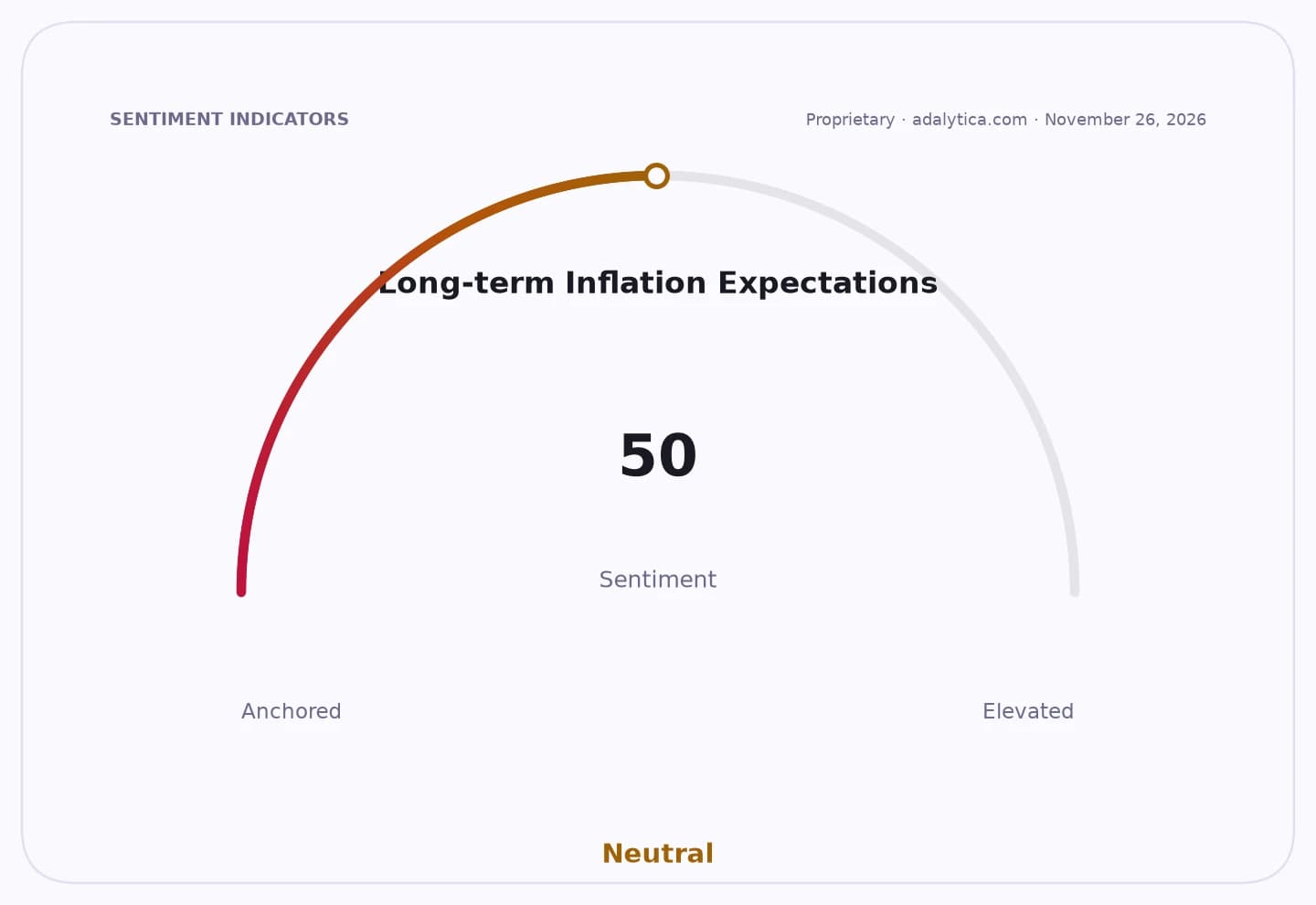
The broader investor and macroeconomic relevance is indirect but real. Minimum wage decisions can influence domestic consumption, public-sector expenditure and the path of inflation expectations, while also shaping labor relations in other low-paid industries that often benchmark against government-set floors. If the 2027 talks become contentious, they could signal a wider round of wage demands across Romania’s public and semi-public sectors.
What investors should watch is whether the government treats the culture sector’s demand as a bargaining position or a template for broader wage policy. A larger-than-expected increase would support household spending but could intensify cost pressures for employers and the state alike, while a smaller settlement risks further labor unrest and political friction.
| Entity | Gains | Losses |
|---|---|---|
| Culture workers | ▲Higher real pay | ▼If wage demand is rejected |
| Government | ▲Social calm if it compromises | ▼Fiscal pressure if it raises wages |
| Employers in culture | ▲Better retention if pay rises modestly | ▼Higher labor costs |
| Consumers/households | ▲More disposable income | ▼If higher wages feed inflation |