Romania’s freeze on the minimum wage is costing low-paid workers real money at a time when inflation is still eroding paychecks and household demand remains fragile.
Romania minimum wage freeze hurts consumer demand
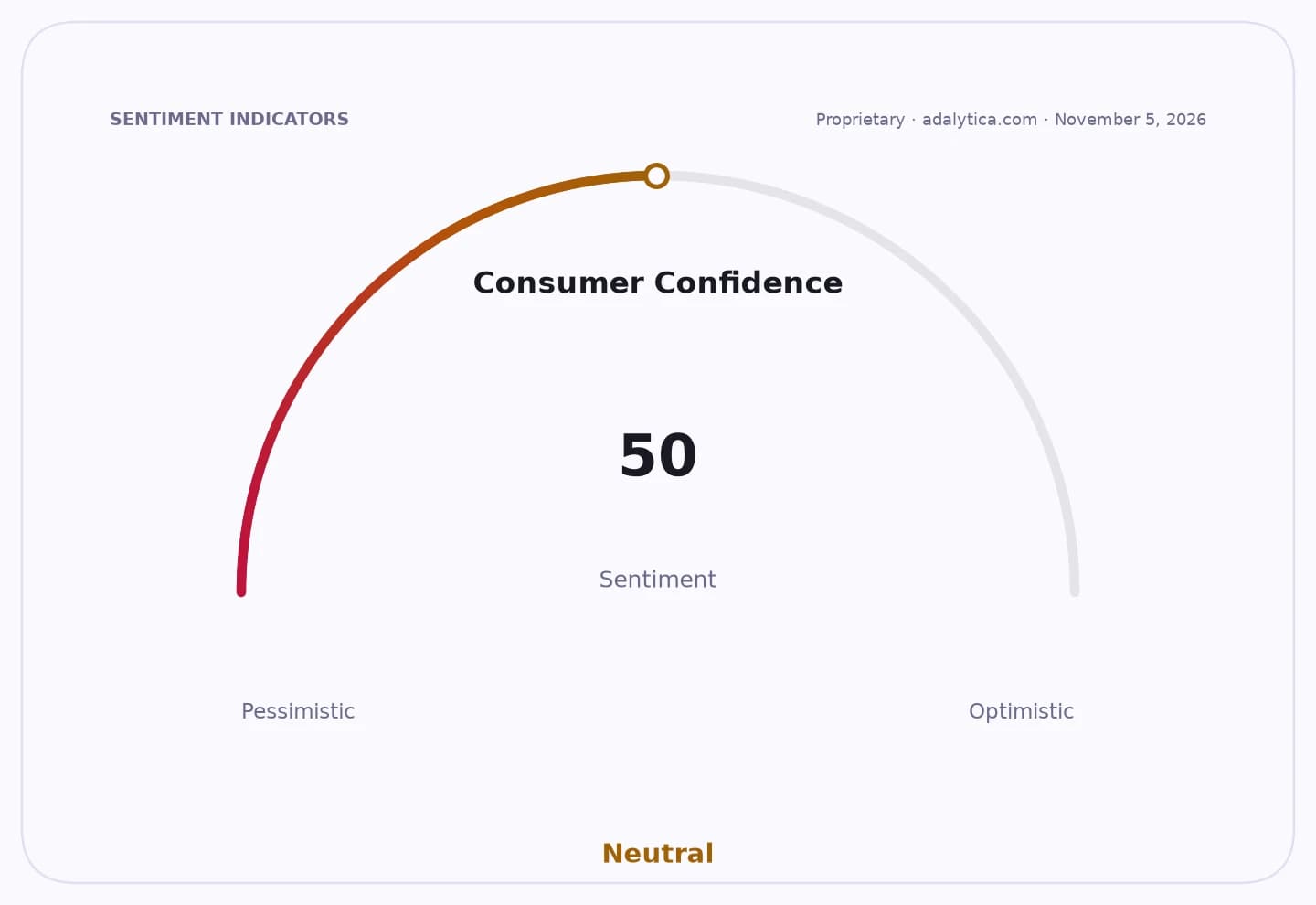
Consumer Confidence
That is the clearest takeaway from the National Trade Union Bloc’s latest study, which says employees paid the minimum wage lost about 1,130 lei net in 2026. The union said that if the gross minimum wage of 4,325 lei had been in place from Jan. 1, workers would have gained roughly 750 lei net in the first half of the year, but that would have been offset by an estimated 380 lei net loss from weaker purchasing power.
Sentiment Indicators
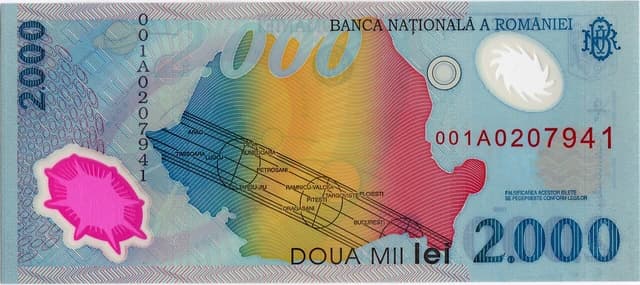
For investors, the significance goes beyond a wage dispute. Minimum wage policy feeds directly into consumption, the biggest engine of most domestic demand stories, and Romania is no exception. When lower-income households are squeezed, they cut discretionary spending first, which filters through to retailers, consumer staples, services and any business reliant on volume growth in the local market. That makes the freeze a drag on near-term spending momentum even before any second-round effects from inflation are counted.
The BNS is also framing the issue as cumulative, not one-off. It said a 2024 report found that adopting the union-backed formula of setting the minimum wage at 50% of average gross earnings would have delivered an extra 22,878 lei gross to workers between 2021 and June 2024. That strengthens the broader narrative that wage policy in Romania has lagged living costs, leaving workers behind while companies and the state avoid a larger labor bill.
Consumer Confidence — 30-day sentimentadalytica.com
Explore this data interactively — full history, time series and cross-market comparisons.
Consumer Confidence
Economically, the argument is straightforward: if pay does not keep pace with prices, real incomes fall and consumption softens. That matters now because inflation has not disappeared. U.S. data in the broader context still show consumer prices advancing and core inflation elevated, reinforcing the global pattern of sticky costs that keeps pressure on workers even when headline growth cools. In Romania, the same dynamic raises the political cost of holding wages down and increases the chance of renewed bargaining pressure later.
The market angle is more nuanced. A longer freeze may help preserve margins for labor-intensive businesses in the short run, but it also risks weakening domestic sales and increasing wage catch-up pressure later. That is why the most exposed names are often not the big exporters, but the local consumer-facing companies whose revenue depends on disposable income and foot traffic. At the macro level, the policy can also keep the central bank in a tighter spot if subdued wages do not fully offset inflation.
BNS said its figures were included in a study titled “Adequate Minimum Wage in Romania. Ex-Post Assessment of the Implementation of Directive (EU) 2022/2041 (2025–2026),” launched on Nov. 3. The union said freezing the minimum wage has direct consequences for income and living standards.
The investment takeaway is simple: the minimum wage debate is really a demand story. If Romania keeps suppressing the lowest pay band while prices keep rising, the winners are short-term margin holders; the losers are households, domestic consumption and the companies most dependent on local spending. That is where the market underestimates the policy risk.
| Entity | Gains | Losses |
|---|---|---|
| Employers | ▲Lower wage costs | ▼Weaker consumer demand |
| Minimum-wage workers | ▲None | ▼1,130 lei net loss |
| Retailers/consumer firms | ▲Short-term margin relief | ▼Softer sales volumes |
| Government/Central bank | ▲Less immediate payroll pressure | ▼More social and inflation pressure |