France’s fight over the minimum wage is becoming less a question of pay rises than of who absorbs the cost — workers, employers or the state. Entrepreneurs president Amir Reza-Tofighi said on RTL that a 10% increase in the SMIC would collide with a planned rise in labour costs in the 2027 budget, arguing that companies cannot be asked to lift wages at the same time as payroll charges go up.
France SMIC Debate Ahead of 2027 Budget
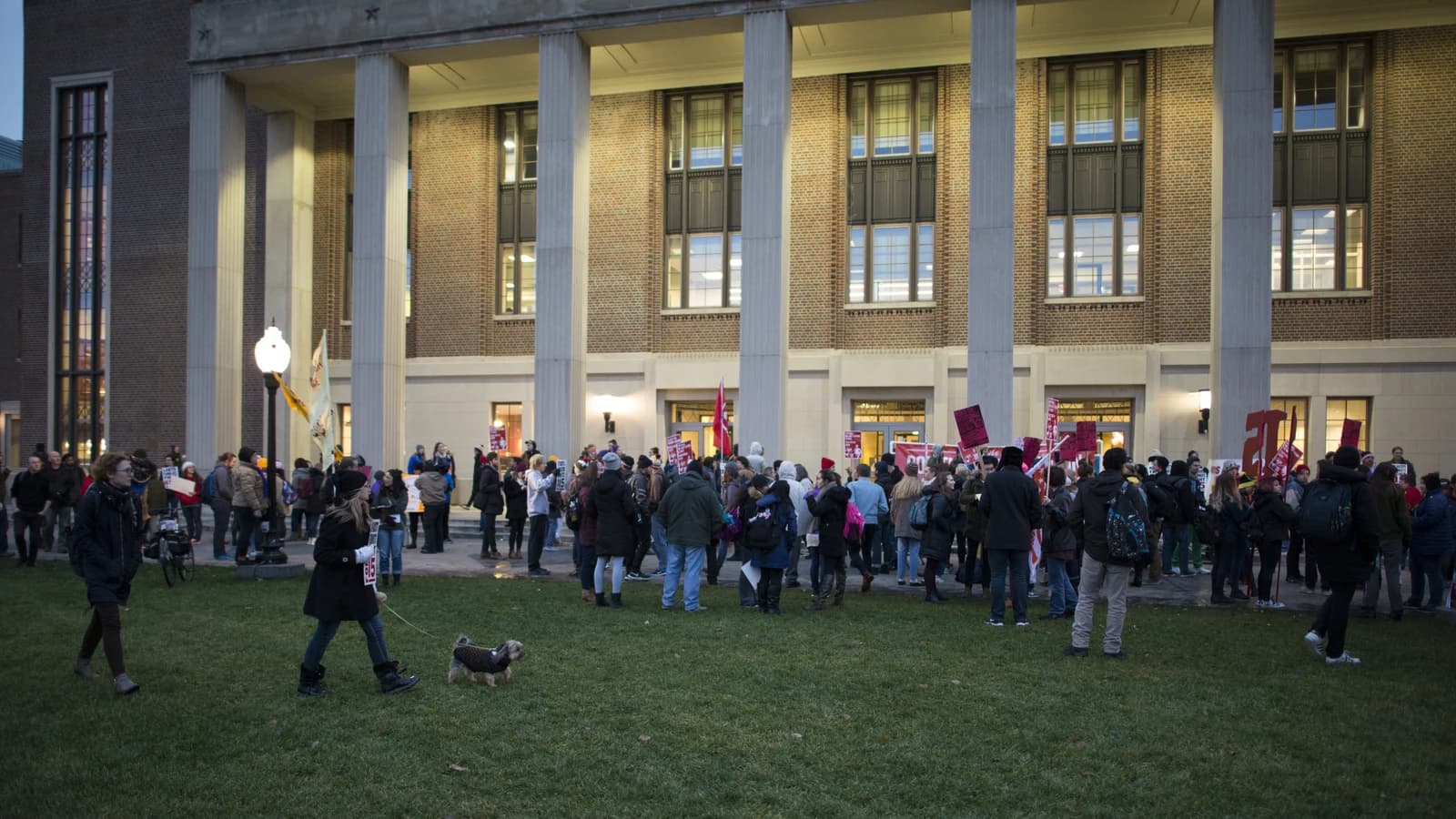
The political pressure is building ahead of a social conference at Matignon, where the government is trying to defuse union anger without worsening a slowdown in hiring. Labor Minister Jean-Pierre Farandou has said any increase must avoid damaging employment, while unions are demanding a much larger uplift and have called protests for Nov. 17. The standoff highlights a familiar French policy trade-off: higher nominal wages can support household purchasing power, but if the after-tax cost of work rises too quickly, firms often respond by freezing hiring or compressing pay scales above the minimum.
Reza-Tofighi’s warning that “when an enterprise pays 100 euros in salary, only 50 euros remain in the worker’s pocket” captures the broader investor issue — the wedge between gross pay and net pay. For employers, the immediate economic risk is margin pressure at a time when many companies are already struggling with weak demand and elevated insolvencies. For workers just above the minimum wage, a larger SMIC can also flatten wage ladders if firms cannot afford to preserve differentials, limiting the broader benefit of any increase.
That is why the debate matters beyond the political optics of a minimum-wage rise. If the government pairs a higher SMIC with tax relief, the move could support consumption and ease social tensions without fully shifting the burden onto employers. But if support is partial or delayed, the adjustment may land first in corporate profits and hiring plans — especially among smaller firms with little room to absorb wage costs.
Investors should watch whether Paris chooses a symbolic wage increase or a more expensive one tied to lower charges. The former would likely reduce social risk while limiting macro impact; the latter would increase the pressure on labour-intensive businesses and keep labour-market conditions fragile into 2027.
| Entity | Gains | Losses |
|---|---|---|
| Low-wage workers | ▲Higher take-home pay | ▼Risk of weaker job growth |
| Employers | ▲Possible tax relief | ▼Higher labour costs |
| Government | ▲Social calm | ▼Budget pressure |
| Higher-paid staff | ▲Wage ladder preserved if no hike | ▼Flattened pay scales if SMIC rises sharply |