Lidl has moved into the bidding for Poundland with an offer for a single store, a sign the British discount chain’s break-up sale is drawing interest from established retailers that want to cherry-pick sites rather than buy the whole business.
Lidl Bids for One Poundland Store
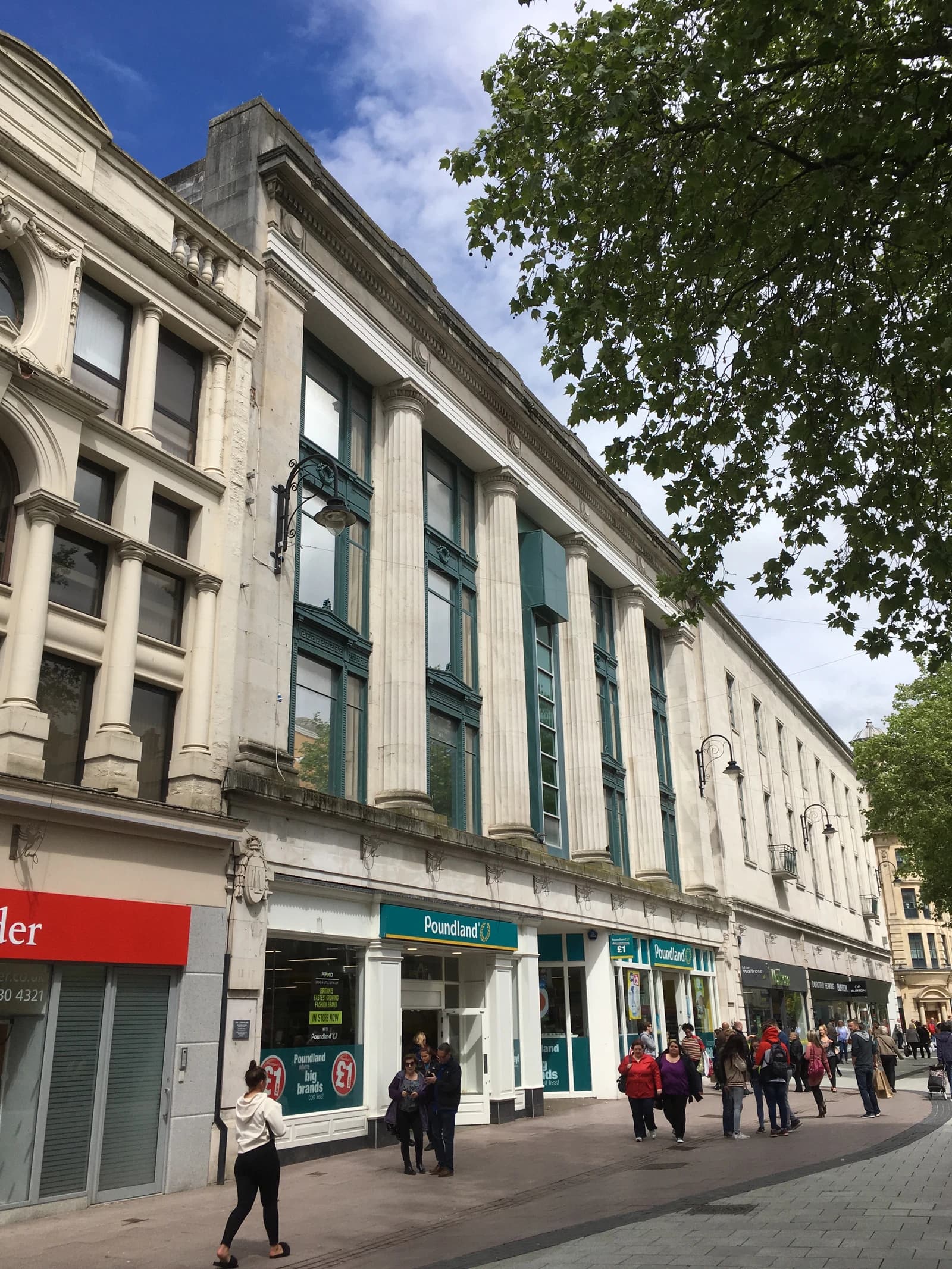
The approach matters because it shows how value in the deal is being carved up store by store, with bidders weighing selective expansion against the risk of taking on a distressed chain in one piece. For Lidl, the move would support a faster UK footprint expansion at a time when the German discounter is already planning to open more than 50 stores over the next year and is gaining share while rivals’ growth stalls.
The Poundland process has become a test of who can extract the best assets from a business that Gordon Brothers bought only last year for a nominal £1 from Pepco. Instead of a clean sale to one buyer, advisers are now weighing offers for the entire company alongside bids for viable parts of the estate, a structure that tends to favour operators with the balance sheet and logistics to integrate a limited number of sites quickly.
Lidl’s bid is also strategically important because it would give the chain optionality if Poundland is broken up. Sources said the discounter is prepared to buy one store initially and then take a small number more if individual locations are sold off, allowing it to expand without committing to a full acquisition. Rival Aldi is understood not to be in talks, while between six and eight retailers have put in bids for some of Poundland’s stores.
That scramble highlights the strain inside the UK value-retail sector, where discounters are still growing but the weakest chains are being picked apart. Poundland management has preferred a bid from Martin Property Group, but the board has added three independent directors as concerns grew among rival bidders about conflicts of interest, underscoring how contested the sale has become.
For investors, the key question is whether Poundland’s sale produces a coherent turnaround owner or a piecemeal liquidation of store value. A break-up would likely benefit buyers such as Lidl, Fortress Investment Group’s Poundstretcher and Modella Capital’s TG Jones by giving them cheap, strategic locations, while it would leave Gordon Brothers, Poundland employees, suppliers and landlords exposed to a more uncertain wind-down.
The next catalyst is the board’s assessment of the competing proposals. If the sale tilts toward a breakup, it could accelerate consolidation among UK value retailers and give Lidl another low-cost route to expansion; if a whole-business buyer emerges, it would preserve more of Poundland’s scale but may force a less aggressive route to restructuring.
| Entity | Gains | Losses |
|---|---|---|
| Lidl | ▲Cheap UK store expansion | ▼Whole-chain acquisition risk avoided |
| Poundland sellers | ▲Faster asset sale options | ▼Lower value if business is split |
| Rival discounters | ▲Access to strategic sites | ▼Higher competition for locations |
| Employees and suppliers | ▲Potential continuity under buyers | ▼Greater uncertainty in break-up scenario |