David Jones has fallen into administration, marking the clearest sign yet that Australia’s discretionary retail sector is still struggling with weak consumer demand, rising costs and a brutal competitive landscape that has already forced a wave of restructurings across department stores.
David Jones Enters Administration in Australia
Consumer Spending
The collapse of the 188-year-old chain matters well beyond one heritage brand. Department stores sit at the crossroads of consumer spending, employment and commercial property demand, and a sale process will test whether there is still value in large-format retail in a market where shoppers are increasingly trading down or shifting online. For investors, the case underscores how quickly balance-sheet pressure can overwhelm even a long-established name when traffic softens and margins narrow.
Sentiment Indicators
David Jones, one of Australia’s best-known retailers, is now seeking a buyer after entering administration, according to the seed headline. The move puts its store footprint, brand value and supplier relationships under immediate scrutiny, while raising questions about jobs, lease obligations and the recovery prospects for a segment that has been under pressure for years.
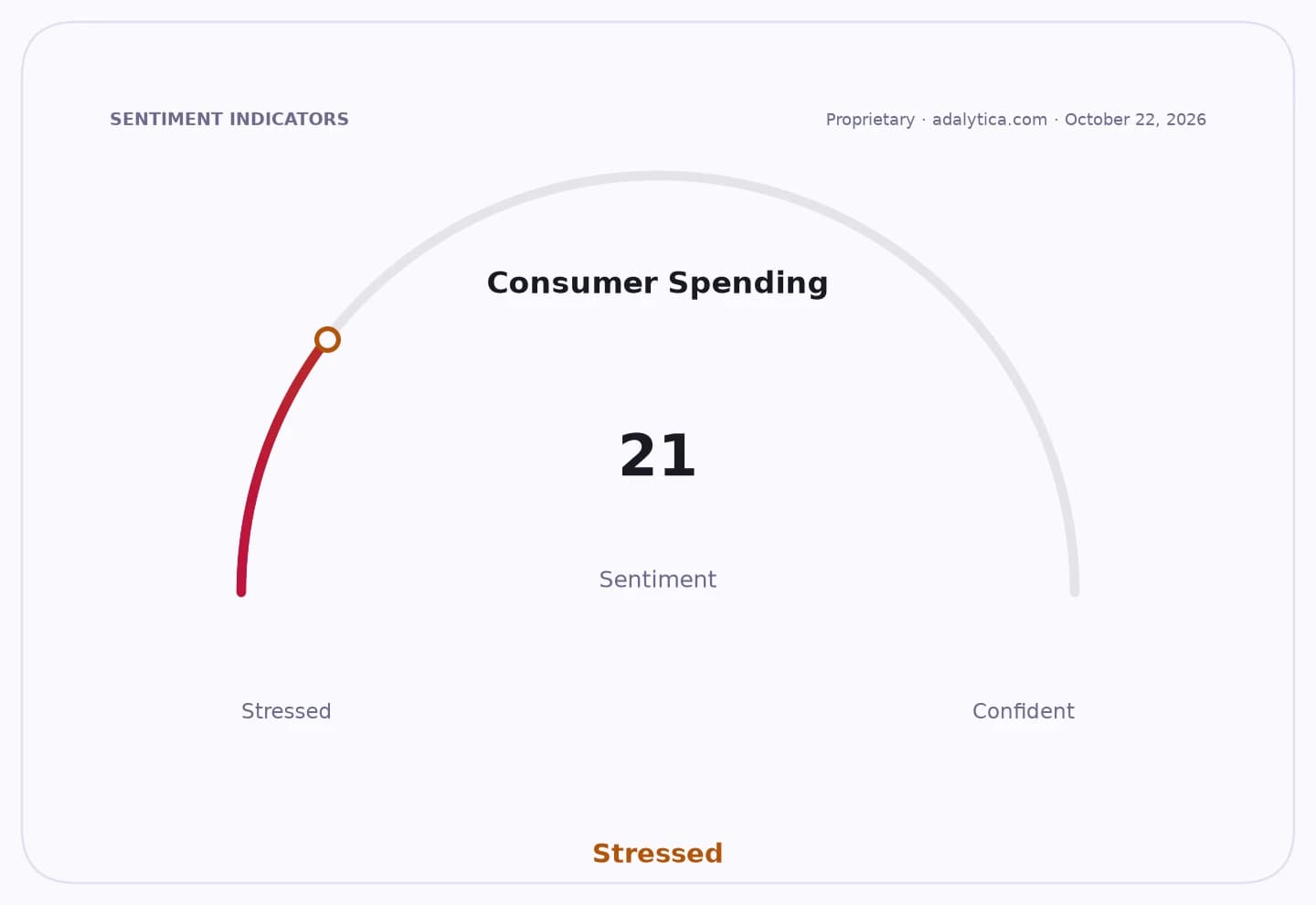
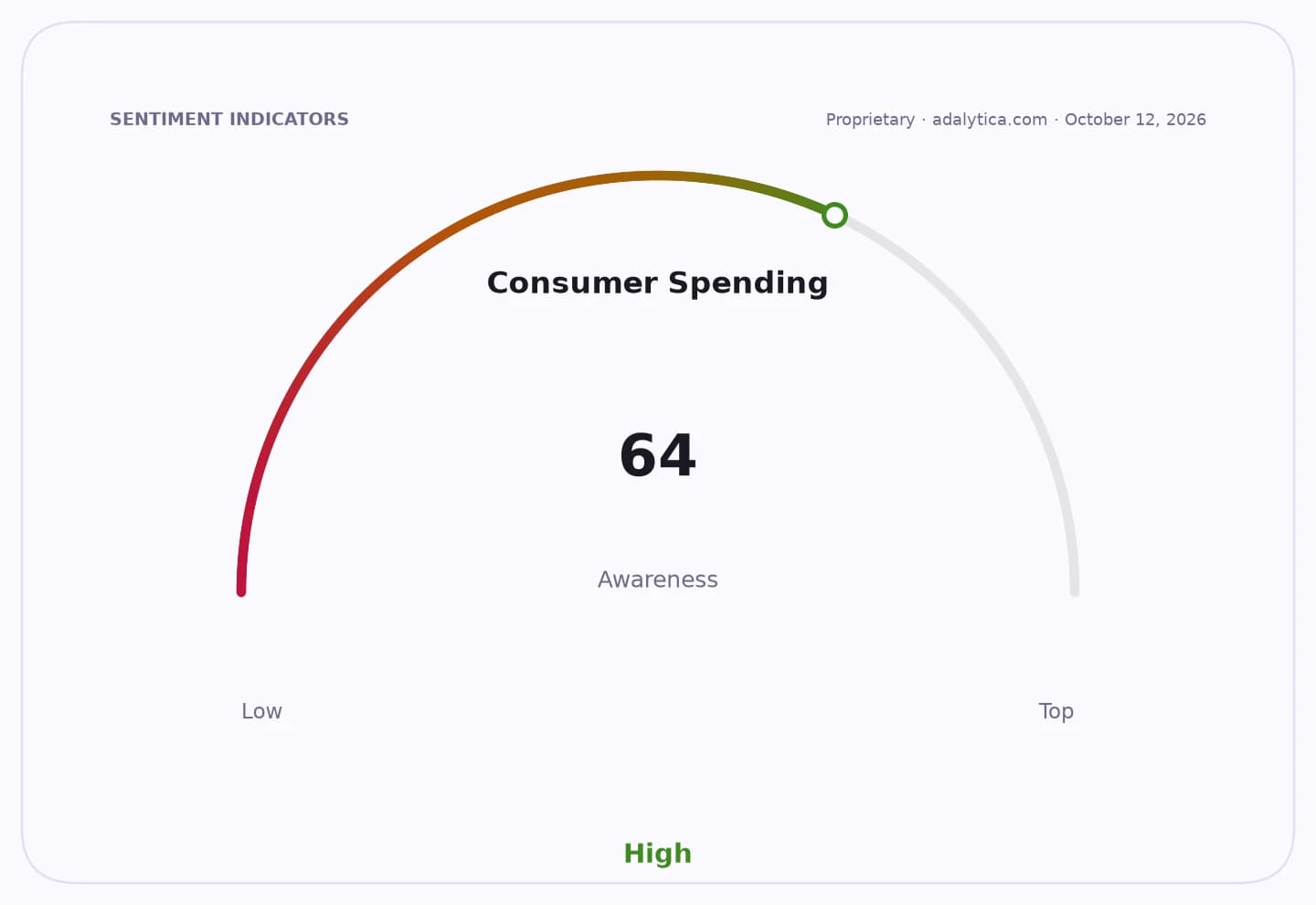
The timing is important. Consumer confidence indicators in the data remain in extreme fear territory, while consumer spending sentiment is depressed, a combination that points to cautious household behaviour and limited scope for a broad discretionary rebound. That backdrop is especially difficult for department stores, which rely on high footfall, larger basket sizes and premium-brand demand to absorb fixed costs such as rents, staffing and inventory carrying expenses.
For investors in retail, David Jones’ administration is another warning that scale alone no longer guarantees survival. Legacy department stores face a structural squeeze from off-price chains, specialty retailers and online platforms that can move faster on assortment, pricing and promotion. If a sale proceeds, buyers may still see value in the brand and selective store locations, but likely only if the estate can be reshaped aggressively and lease costs reduced.
The broader implication is that retail distress is becoming more selective rather than sector-wide. Stronger operators with flexible cost bases and access to discounted inventory can still gain share, but brands tied to large physical footprints and slower inventory turns are more exposed when consumer demand weakens. For landlords, suppliers and lenders, administration shifts risk from the retailer’s balance sheet to the rest of the retail ecosystem.
What happens next will depend on whether David Jones can attract a buyer willing to fund a turnaround rather than a liquidation play. The outcome will be watched closely for what it says about valuation in Australia’s department store sector and whether any premium remains for heritage retail brands in a market where the consumer is clearly under pressure.
| Entity | Gains | Losses |
|---|---|---|
| Potential buyers | ▲Acquire brand at discount | ▼Inherit turnaround risk |
| Off-price rivals | ▲Gain market share | ▼Lose nothing directly |
| Landlords | ▲May renegotiate leases | ▼Face vacancy risk |
| David Jones suppliers | ▲Preserve some sales if sale succeeds | ▼Risk payment delays |