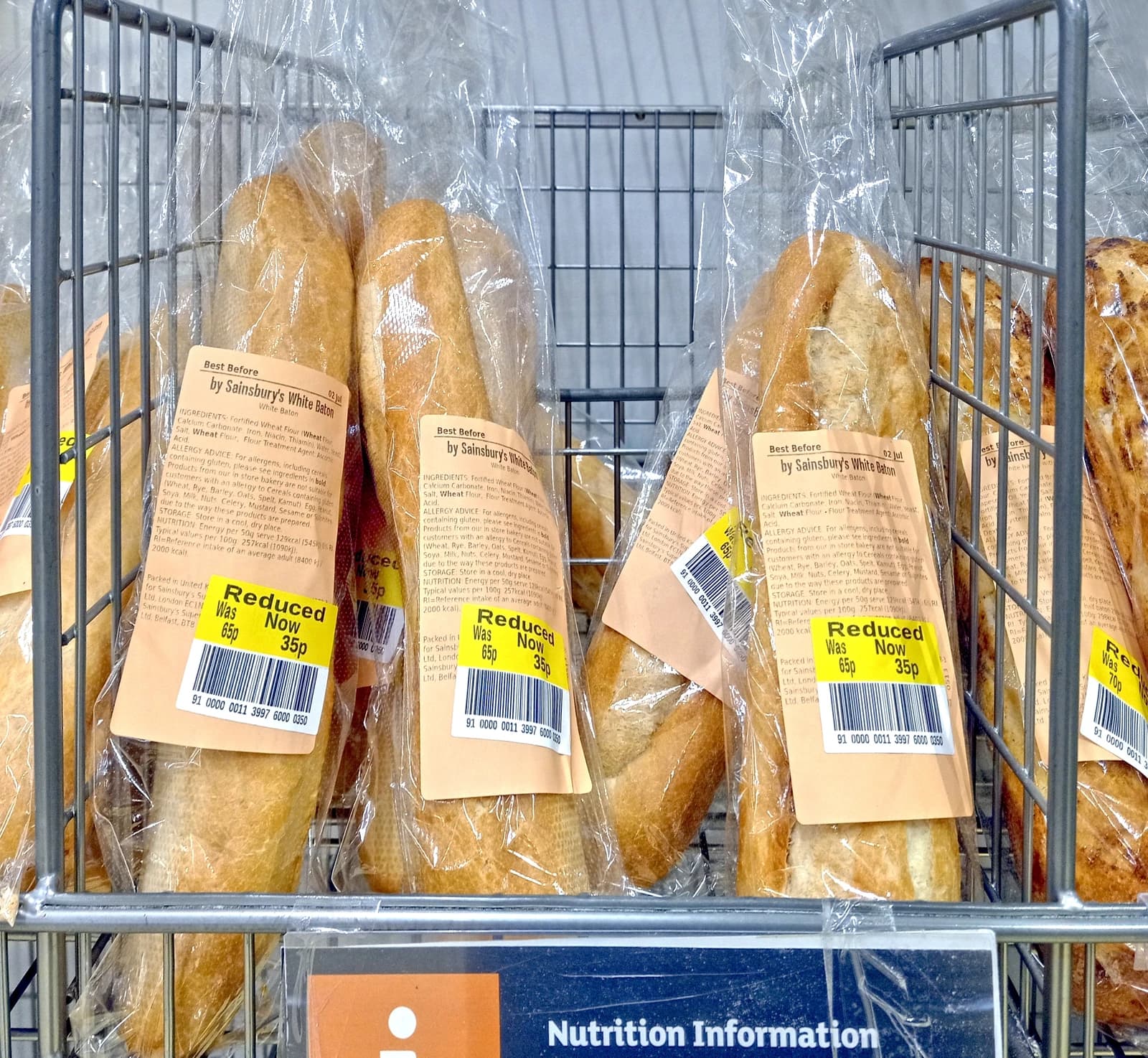
Britain’s competition regulator has formally designated Aldi, Lidl GB and Lidl NI as “large grocery retailers,” a move that tightens oversight of the two discounters and raises the stakes for how they compete on price, supply terms and market access in the UK food sector.
Aldi and Lidl named large UK grocery retailers
The Competition and Markets Authority’s classification matters because it puts the fast-growing budget chains more squarely in the regulatory frame at a time when grocery affordability remains politically sensitive and household budgets are still under strain. For suppliers, the designation can mean stronger scrutiny of trading practices and buyer power; for rivals, it signals the regulator is still watching how discount chains reshape supermarket competition.
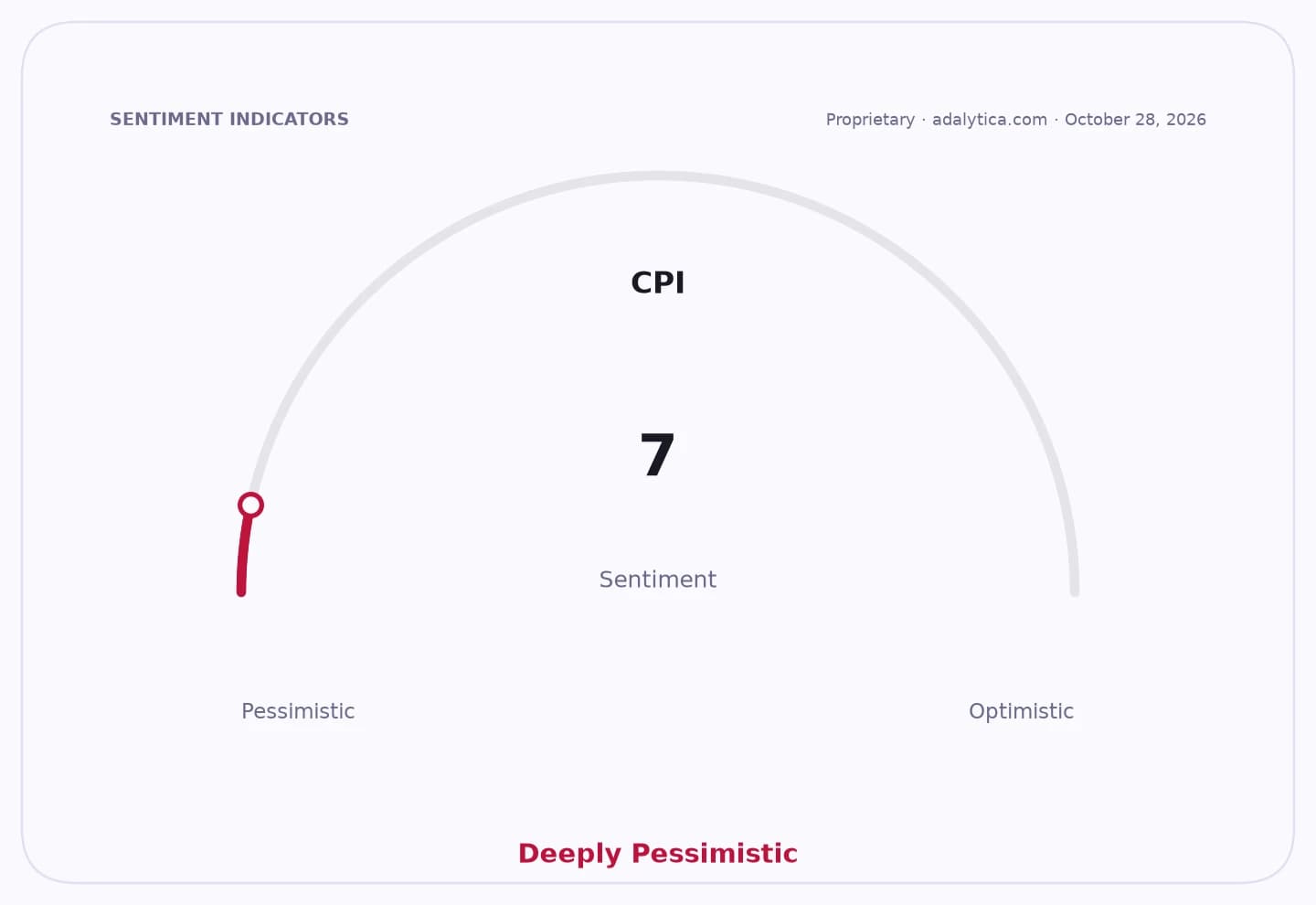
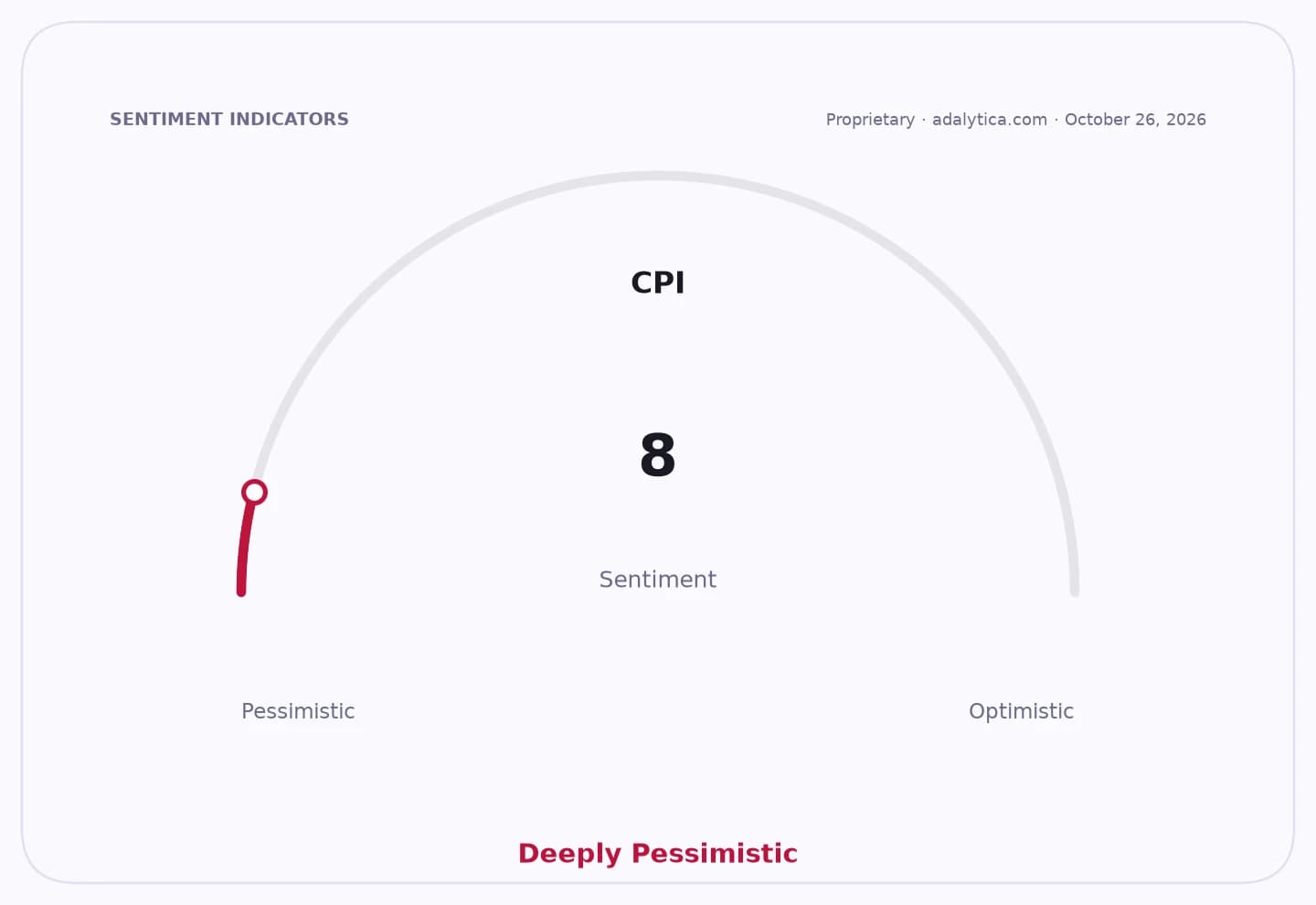
Sentiment Indicators
The decision comes as food inflation and wider cost-of-living pressure keep shoppers focused on value, giving Aldi and Lidl an advantage over more expensive chains. That has forced the broader sector to defend share through sharper pricing, promotions and tighter margins, while policymakers remain under pressure to show they are not ignoring market concentration in essentials.
For investors, the immediate read-through is to UK grocery margins and competitive intensity. Incumbents with heavier exposure to the UK, including listed food retailers and consumer staples suppliers, face the prospect of continued price pressure, while the discounters gain legitimacy as core players in the market even as they come under closer regulatory attention.
The move also fits a broader European pattern of regulators leaning more heavily on dominant food retailers as households trade down. The key question now is whether the CMA’s label leads to more formal intervention in supplier relations, pricing behavior or market transparency, which could shape the next round of competition across British supermarkets.
| Entity | Gains | Losses |
|---|---|---|
| Aldi | ▲recognition as major market player | ▼closer regulatory scrutiny |
| Lidl GB / Lidl NI | ▲stronger position in UK grocery market | ▼potential limits on buying power |
| UK suppliers | ▲clearer oversight of retailer conduct | ▼tougher negotiations with discounters |
| Traditional supermarkets | ▲regulatory focus on discounter scale | ▼more price pressure and margin squeeze |