UK inflation accelerated more than expected in September, reinforcing pressure on the Bank of England and sharpening the political stakes for Chancellor Rachel Reeves ahead of next week’s budget.
UK inflation rises to 3.5% on fuel costs
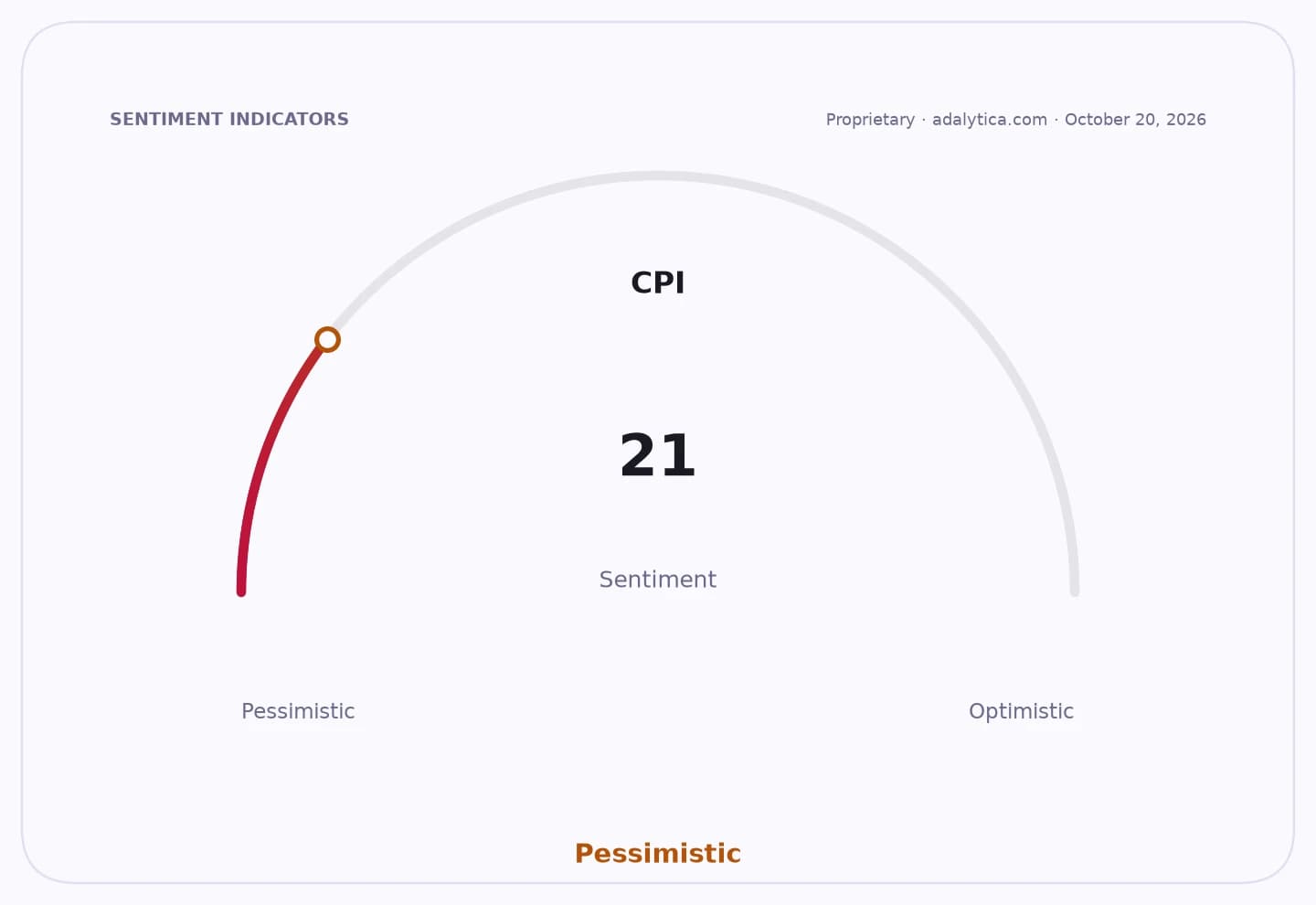
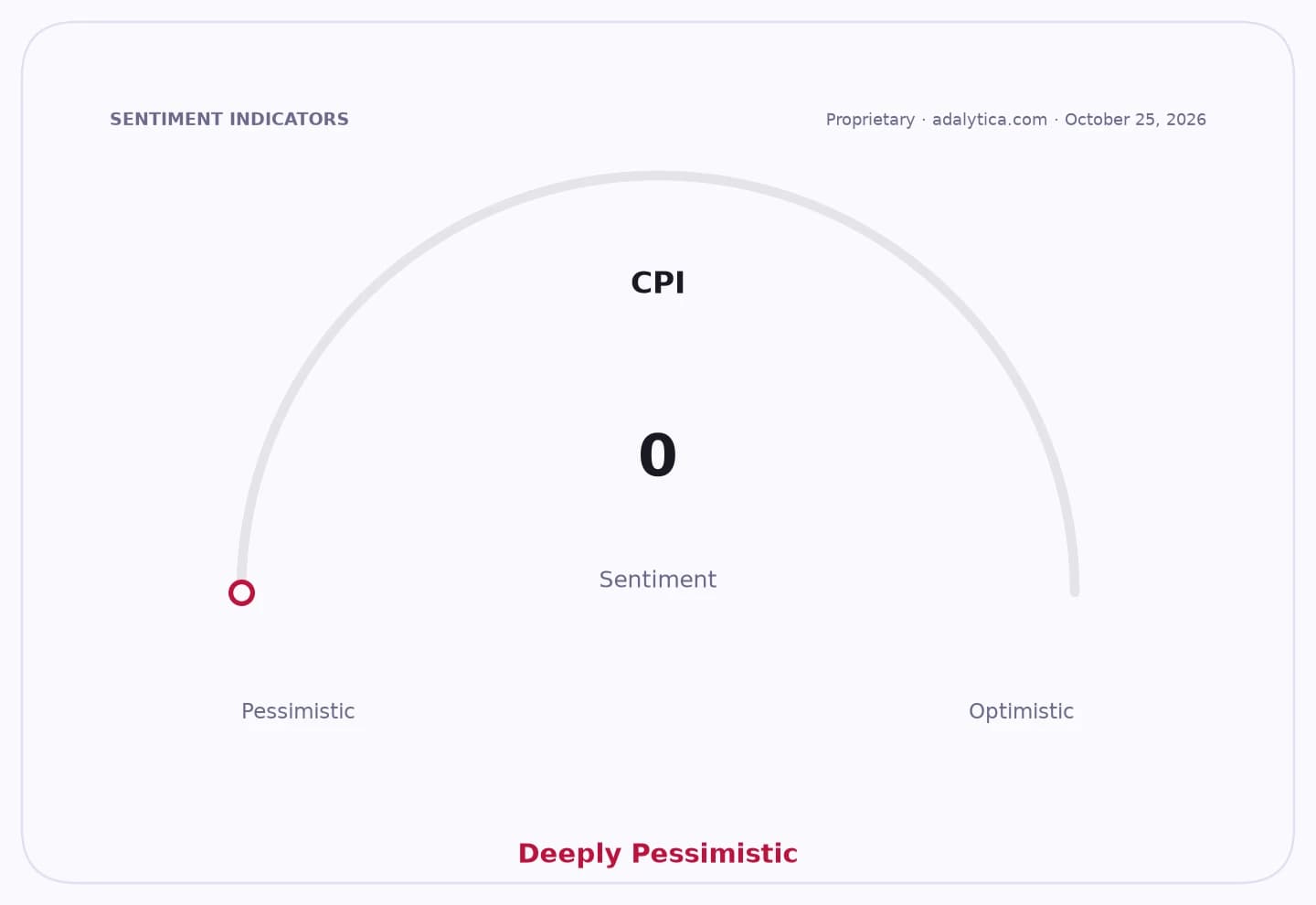
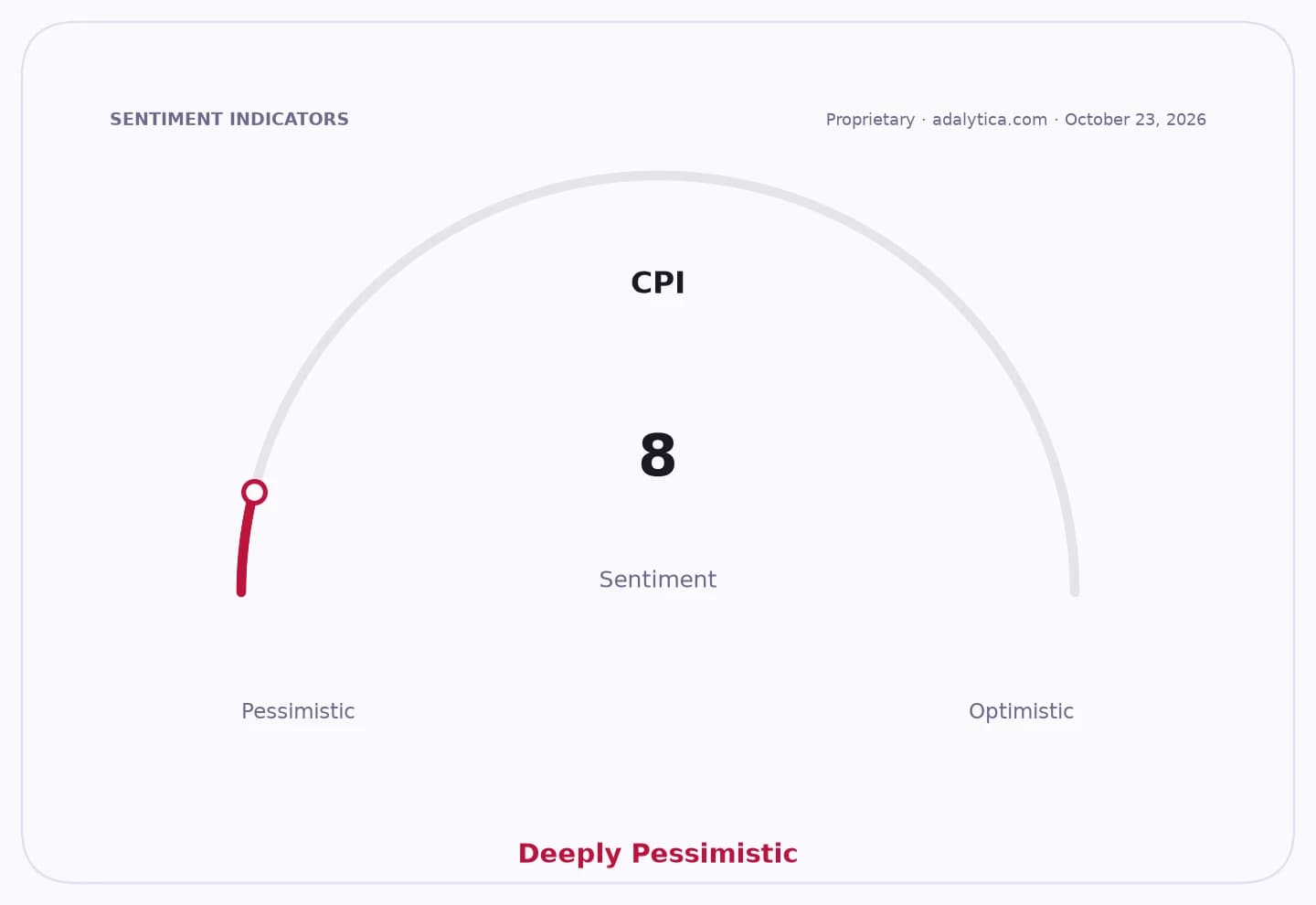
CPI
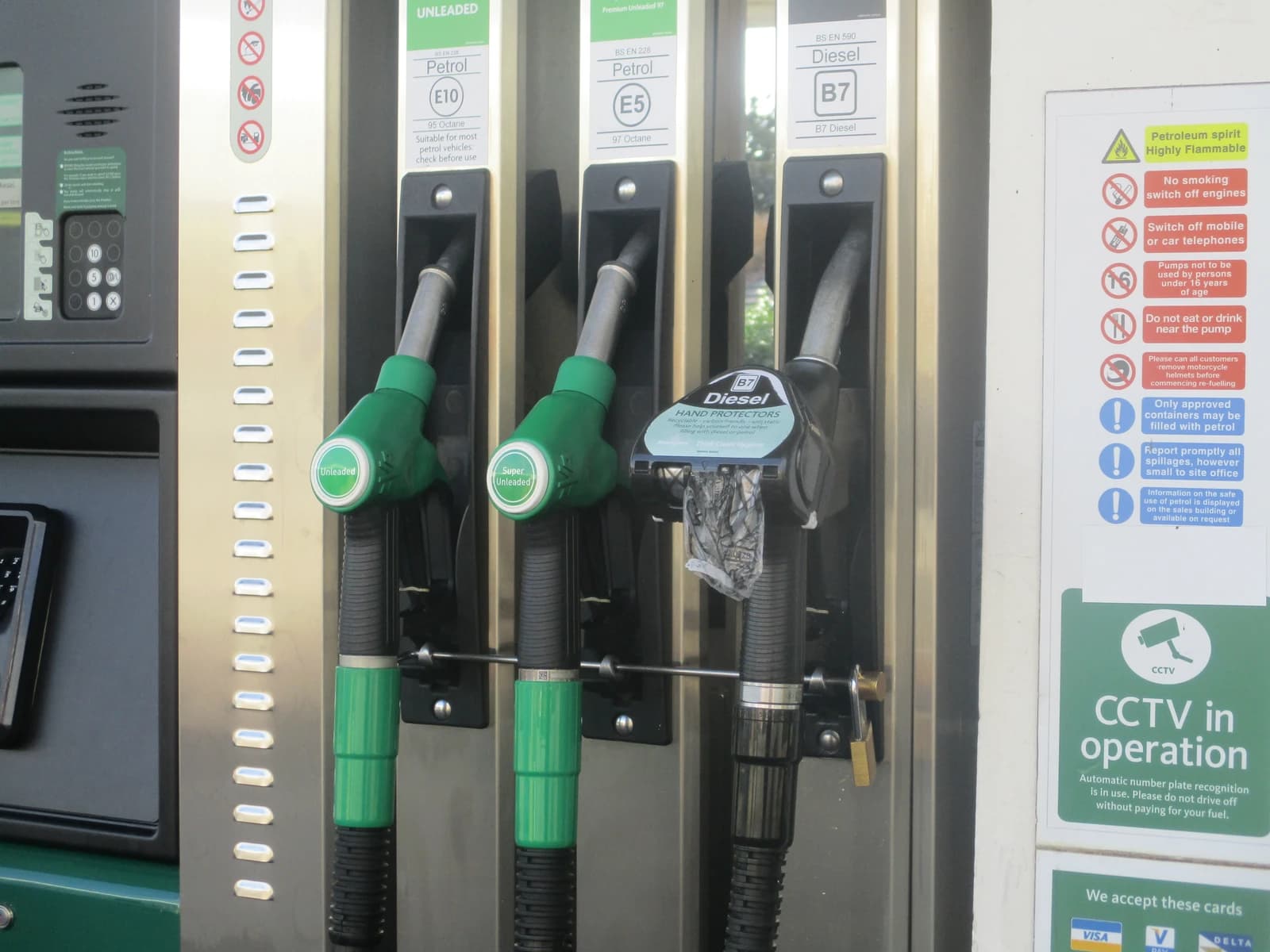
The Consumer Prices Index rose to 3.5% from 3.1% in August, the Office for National Statistics said, its highest level in almost a year and above the 3.4% forecast in a Reuters poll. The biggest driver was transport, especially motor fuels, as the jump in oil prices fed through to petrol and diesel at the pump.
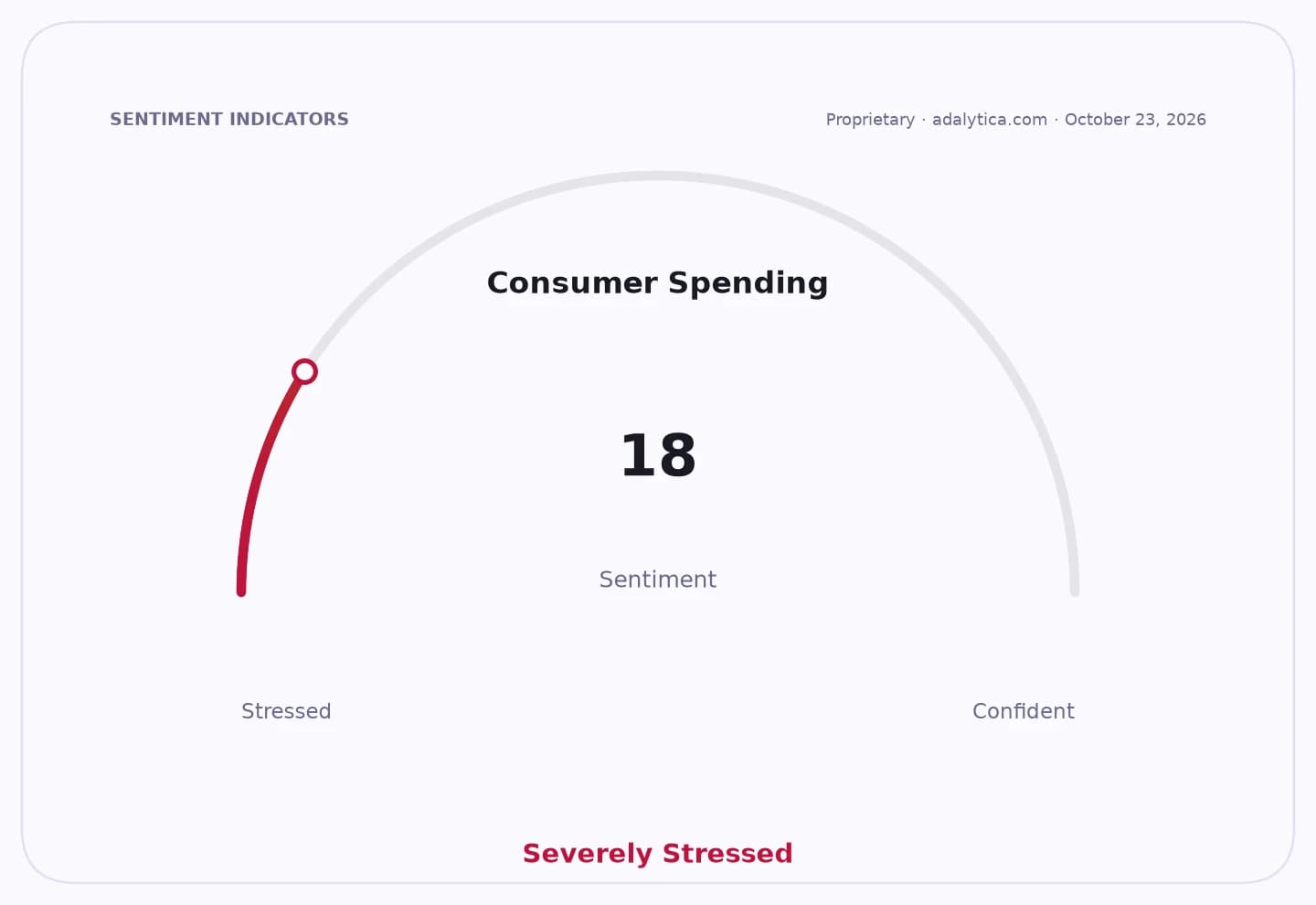
Sentiment Indicators
That matters because Britain has not fully escaped the inflation aftershock from the Middle East energy shock, and the latest reading makes it harder for policymakers to argue that price pressures are fading cleanly. Higher fuel costs are also feeding into factory input prices and the cost of goods leaving UK plants, suggesting the increase is not confined to a one-off squeeze at the forecourt.
For the Bank of England, the data complicates the path for interest rates. With inflation still well above the 2% target, the central bank will have less room to pivot quickly toward easing, even as growth remains fragile and households continue to face strain from borrowing costs and sticky prices. Markets are likely to treat the report as another reason to keep rate-cut expectations subdued.
The political implications are immediate. Reeves is due to unveil her annual budget in a week, and the inflation surprise increases the pressure to balance fiscal restraint with measures to ease living costs. A renewed rise in pump prices is especially sensitive because it hits consumers quickly and tends to bleed into broader expectations about future prices.
The move also has implications for sectors tied to energy and transport. Higher crude prices support oil producers and integrated majors, but they squeeze airlines, hauliers and retailers already managing thin margins. UK consumers, meanwhile, face another hit to real incomes just as the government is trying to persuade households that inflation is under control.
The broader narrative is that inflation in Britain is becoming more vulnerable again to external shocks. If fuel prices stay elevated, the September reading may prove less a one-month spike than the start of a slower, bumpier descent toward the Bank of England’s target.
| Entity | Gains | Losses |
|---|---|---|
| Oil producers | ▲Higher realized prices | ▼None from this move |
| UK consumers | ▲— | ▼Higher fuel and living costs |
| Bank of England | ▲Justifies caution on cuts | ▼Less room to ease policy |
| UK retailers and transport firms | ▲— | ▼Higher input and operating costs |