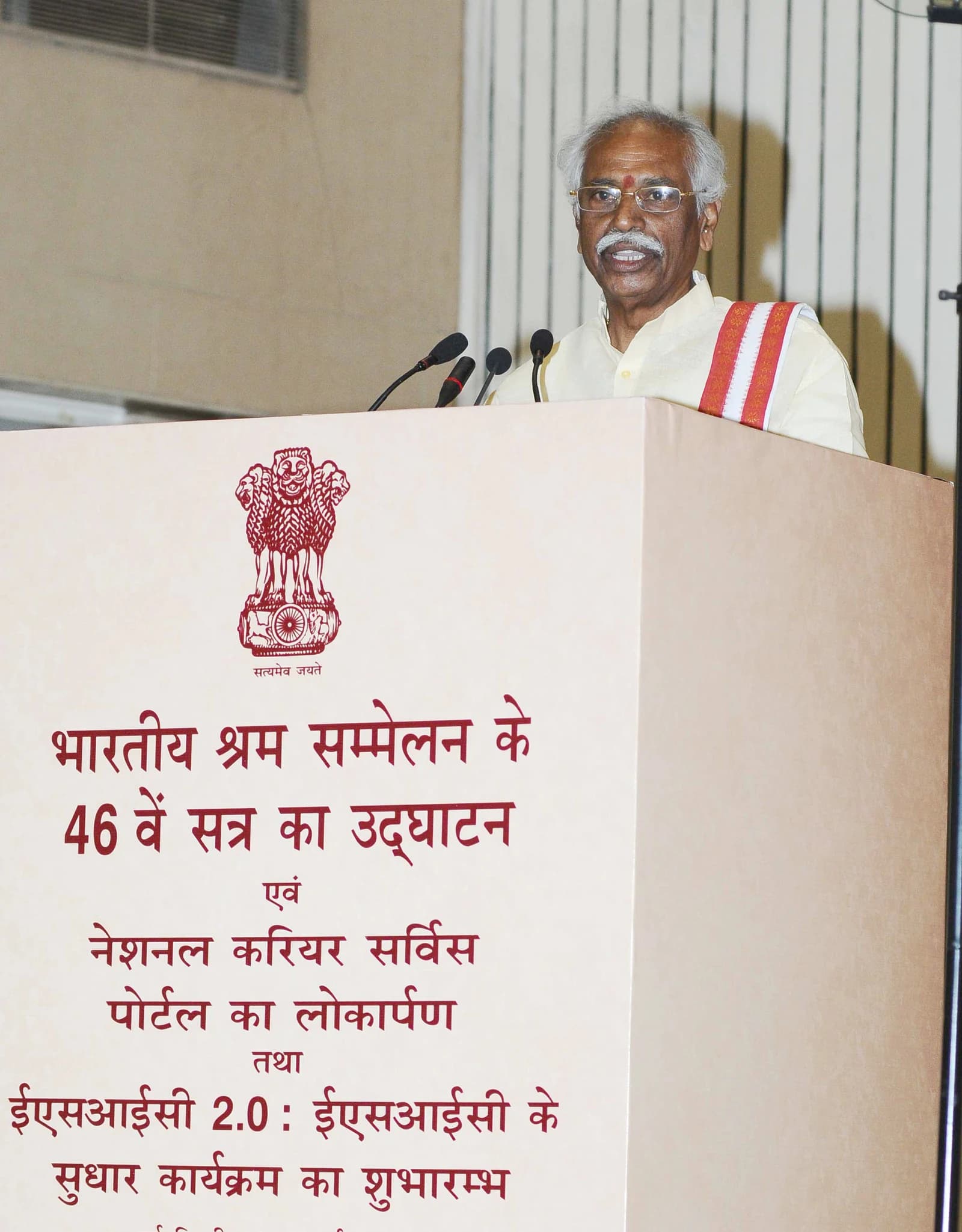
Lithuania’s social services workers will get extra paid leave, a shorter work week and higher pay under a new sector-wide collective agreement that expands benefits for about 6,600 union members and points to a stronger labor push in a chronically understaffed public-service sector.
Lithuania social services workers win higher pay and leave
The deal, signed by Social Security and Labour Minister Inga Ruginienė and five unions, takes effect Jan. 1, 2027 and runs for four years, with an option to renew annually. It covers 105 social services institutions, up from 35 when the first agreement was signed in 2018, underscoring how union coverage in the sector has broadened sharply.
For workers with at least five years in a social services institution, the pact adds two paid vacation days a year; after 10 years, they get two more. Union members also gain the right to work one hour less per week with full pay, plus an extra one-hour reduction on the eve of public holidays. If hours cannot be cut, employers must pay overtime rates.
The agreement also raises pay for certain qualified public-sector workers, including social workers, case managers and care coordinators in state- or municipal-run institutions. Those with a valid second qualification category will see base pay rise 25%, while workers who already had a first qualification category before July 17, 2025 keep a 20% salary premium for as long as that category remains valid.
The move matters economically because it lifts labor costs for publicly funded employers at a time when Lithuania says more than 17,000 people work in social services, including about 5,000 social workers. Average net pay for municipal social workers reached 1,510 euros in the first quarter of 2026, only 42 euros below the national average, suggesting the sector is already under pressure to keep pace with broader wage growth.
For investors, the immediate read-through is not a direct market mover but a sign of rising wage and benefit intensity in public services, which can feed into municipal budgets, state payroll spending and broader inflation dynamics. It also highlights a tighter labor market for care and social assistance roles, where employers may need to use pay and hours reductions to retain staff.
The agreement comes as union influence has grown, with the ministry saying the number of institutions covered by the sector pact has tripled over eight years and union membership has risen more than sixfold. The next inflection point will be implementation in 2027, when public employers will have to absorb the cost of shorter hours and new leave provisions.
| Entity | Gains | Losses |
|---|---|---|
| Social services workers | ▲More leave, shorter week, higher pay | ▼None |
| Unions | ▲Stronger bargaining power | ▼Limited |
| Municipal and state employers | ▲Better retention, labor peace | ▼Higher payroll costs |
| Taxpayers/public budgets | ▲Better service stability | ▼Potentially higher spending |