A short stretch of self-employment is usually not enough to sink a home-loan application, but banks still want proof that the income is steady, documented and likely to last.
Lithuanian banks tighten self-employed mortgage checks
That is the key message for workers considering a move from salaried jobs to individual activity: the higher pay may look attractive, yet mortgage approval still hinges on whether lenders can see a reliable repayment trail. In practice, that means the first year of freelance or self-employed income is often the hardest to use when applying for a housing loan.
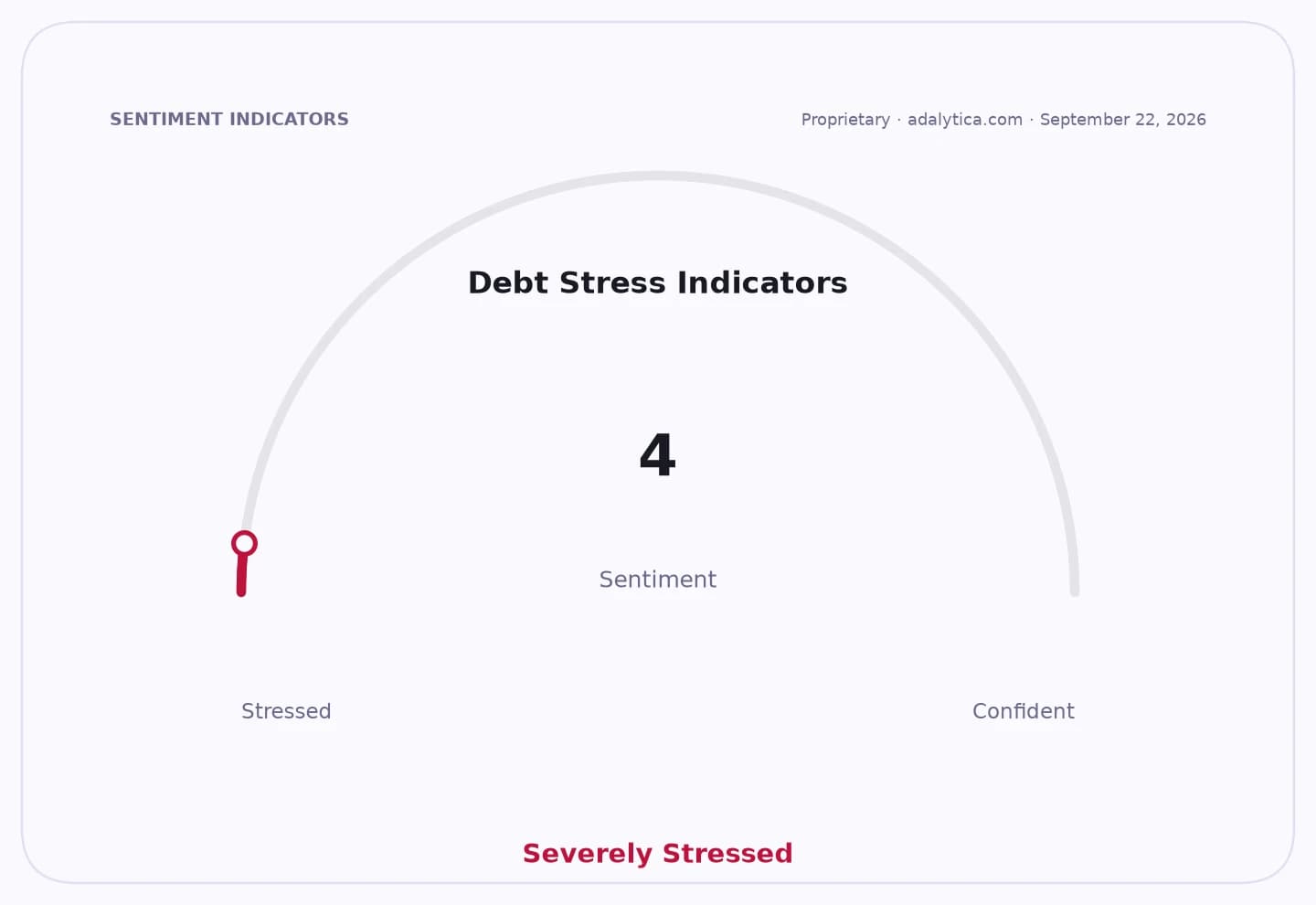
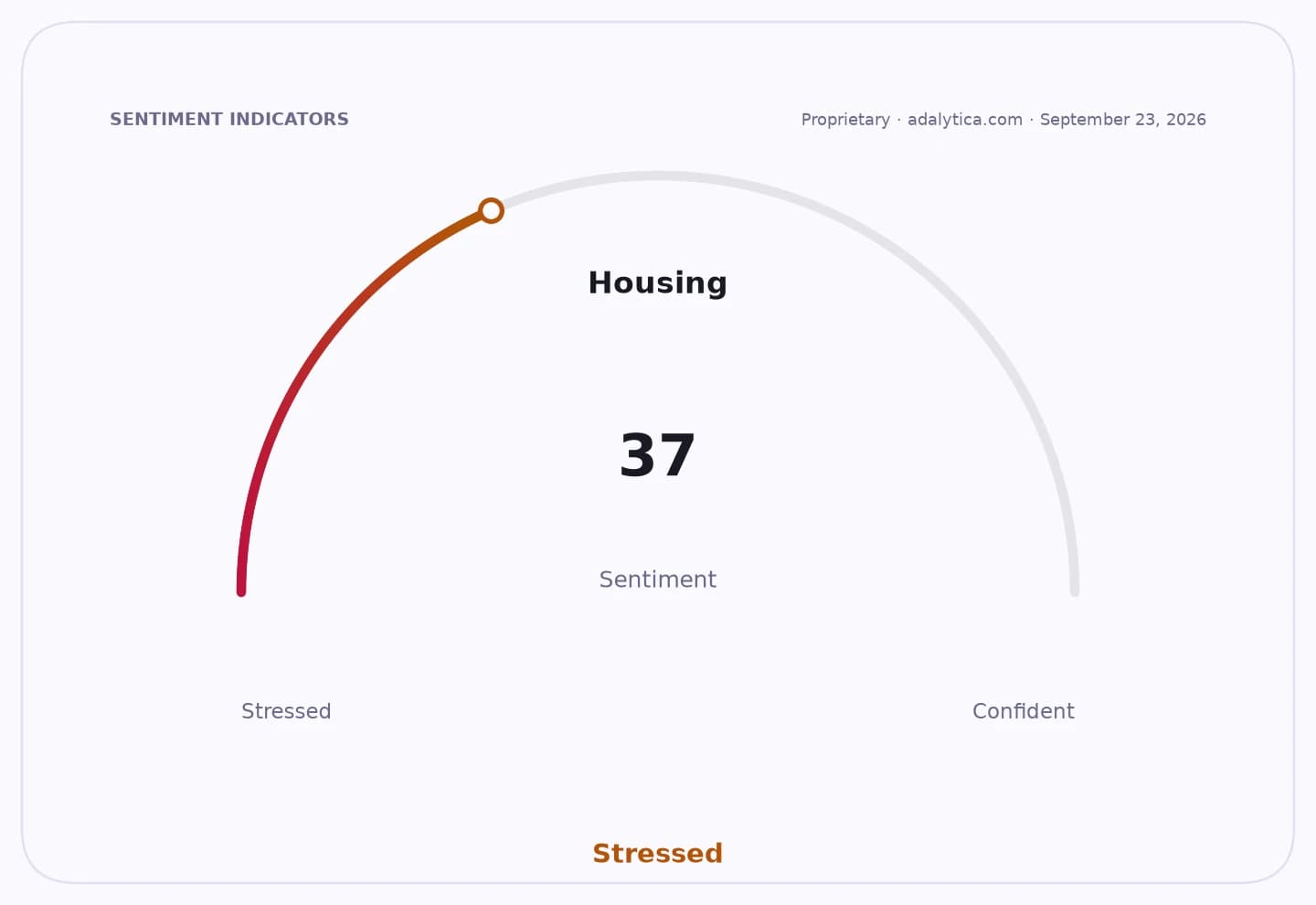
Sentiment IndicatorsⓘProprietary · adalytica.com · September 11, 2026
This is a snapshot — live sentiment, awareness and momentum for 130+ markets update continuously in the dashboard.Open AlphaPulse
Lithuanian banks told LRT that individual activity is not a problem in itself. What matters is whether income is declared, paid into an account and sustained long enough for a lender to judge its durability. Citadele said self-employed income is generally assessed only after about 12 months, while Swedbank said it usually looks at a longer income history when earnings are irregular. Artea and URBO made the same point: the issue is not the legal form of work, but the stability of the cash flow behind it.
For investors, that matters because mortgage lending is ultimately a story about credit quality, not just demand. Banks do not want to extend long-term housing debt on the basis of a few good months, especially when the borrower is switching from a predictable payroll to a more volatile stream of invoices. That conservative stance protects lenders’ balance sheets, but it also slows some would-be homebuyers from entering the market.
The timing is especially important. Lithuania’s central rules now allow monthly debt payments to reach as much as 50% of net income, up from 40%, which gives borrowers more theoretical room. But banks are making clear that higher borrowing capacity does not remove the need to prove repayment ability. If anything, the relaxed cap raises the stakes for underwriting discipline, because lenders have to distinguish between stronger borrowers and those whose income only looks strong on paper.
That is why banks say the documents matter as much as the headline income number. Payslips are enough for salaried workers; self-employed applicants may need tax returns, bank statements and other records. If income is in cash, lenders can ask for extra proof. A borrower who has spent years in the same field before switching to individual activity may still get favorable treatment, but only if the bank can connect the old job to the new business and see a credible financial history.
For homebuyers, the lesson is simple: start early. Banks said the biggest mistake self-employed people make is hunting for a property before checking what financing they can actually get. Pre-approval, documentation and a clean income trail can make the difference between closing a deal and losing the home.
For long-term investors in banks, the broader takeaway is reassuring. Tight underwriting on self-employed borrowers may limit some loan growth at the margin, but it also reduces future credit losses. In a housing market where regulators are already paying closer attention to mortgage risk, that discipline is a feature, not a flaw. Patients investors should watch for lenders that can grow mortgage books without loosening standards — that is where the best compounders usually emerge.
| Entity | Gains | Losses |
|---|---|---|
| Banks | ▲Better credit quality | ▼Some loan volume |
| Salaried borrowers | ▲Easier approval path | ▼— |
| Self-employed borrowers with 12+ months history | ▲Access to mortgages | ▼— |
| New freelancers with 4 months history | ▲— | ▼Mortgage odds and terms |